

Introduction
Navigating the world of Applied Behavior Analysis (ABA) therapy can feel overwhelming for parents. Understanding the intricacies of behavioral interventions is crucial, especially when it comes to techniques like Differential Reinforcement of Other behaviors (DRO) and Differential Reinforcement of Alternative behaviors (DRA). These methods not only offer unique strategies for managing challenging behaviors, but they also empower families to foster positive change in their children’s lives.
But how can you, as a parent, effectively discern which approach to utilize in different situations? What key insights can enhance your understanding and application of these methods? Let’s explore this together! This article delves into ten essential insights on DRO vs DRA, providing you with the tools you need to support your child’s behavioral growth effectively. We’re here to help you every step of the way!
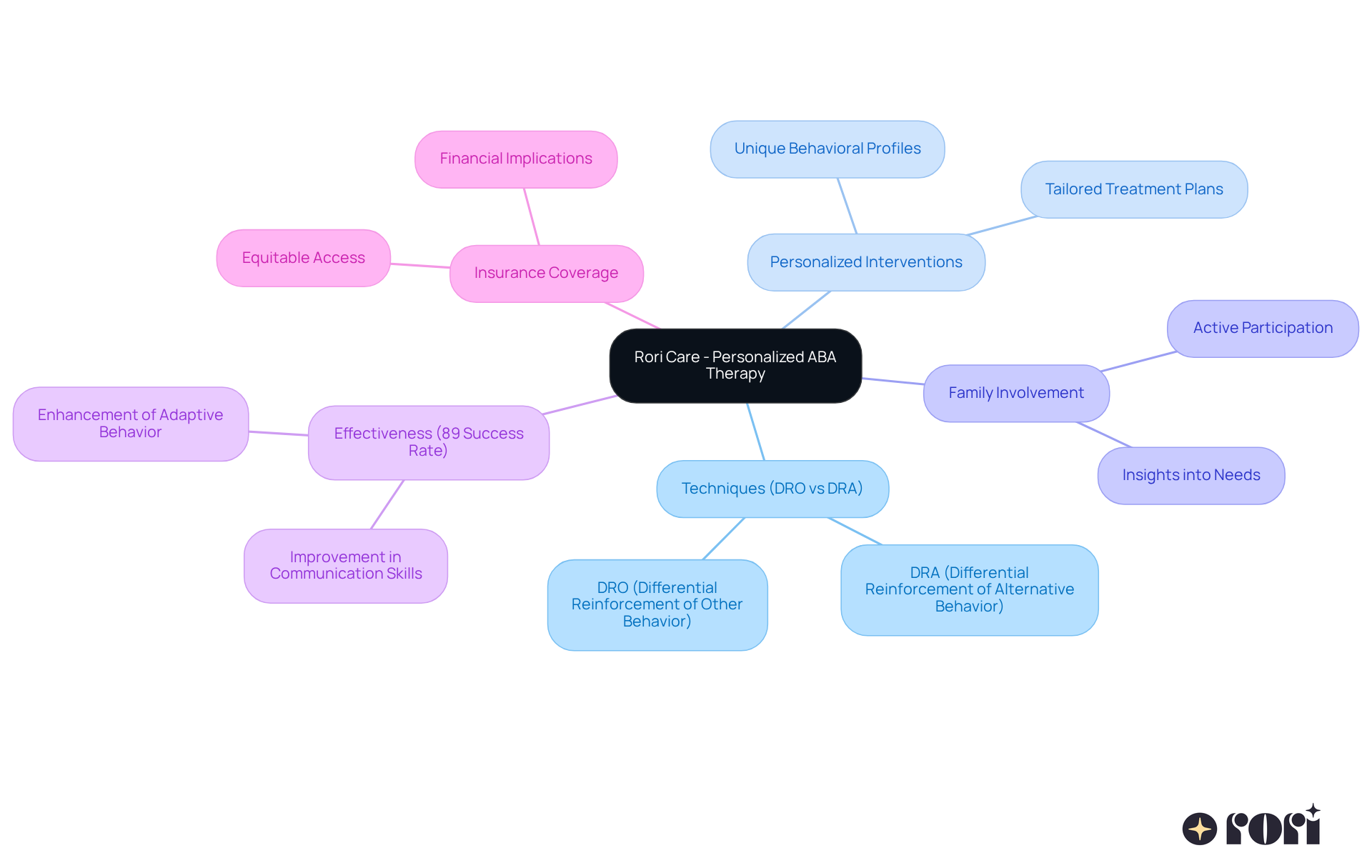
Rori Care – ABA Therapy: Personalized Approaches to DRO and DRA
At Rori Care, we truly believe in the power of . Techniques such as are at the heart of what we do. Our world-class clinicians are here to support your family with . We conduct thorough evaluations to design interventions that cater to each individual’s unique needs.
This customized approach is essential for promoting . It allows us to align treatment with their and family dynamics. Research shows that can significantly enhance communication skills, adaptive behavior, and overall development in individuals with autism, boasting an impressive !
We understand that comprehending the is crucial for effective therapy. This understanding enables us to develop strategies that align with their specific challenges and strengths. Ralph Moller aptly states, ‘A personalized treatment plan takes into account the unique needs and preferences of the individual.’ This highlights just how important are.
Moreover, we recognize that is vital for ensuring access to these essential therapies. Financial implications can be a significant hurdle for families. It’s concerning that fewer than half (46%) of youths referred for ABA therapy continue with treatment for 24 months. This emphasizes the need for ongoing involvement in .
By focusing on tailored support and engaging families in the treatment process, Rori Care aims to empower families and enhance the quality of life for youth with autism. We encourage parents to actively participate in creating their child’s treatment plan. This ensures it aligns with your family’s values and goals. Let’s explore this together! We’re here to help you every step of the way!
Understanding DRO: Focus on Reinforcing Other Behaviors
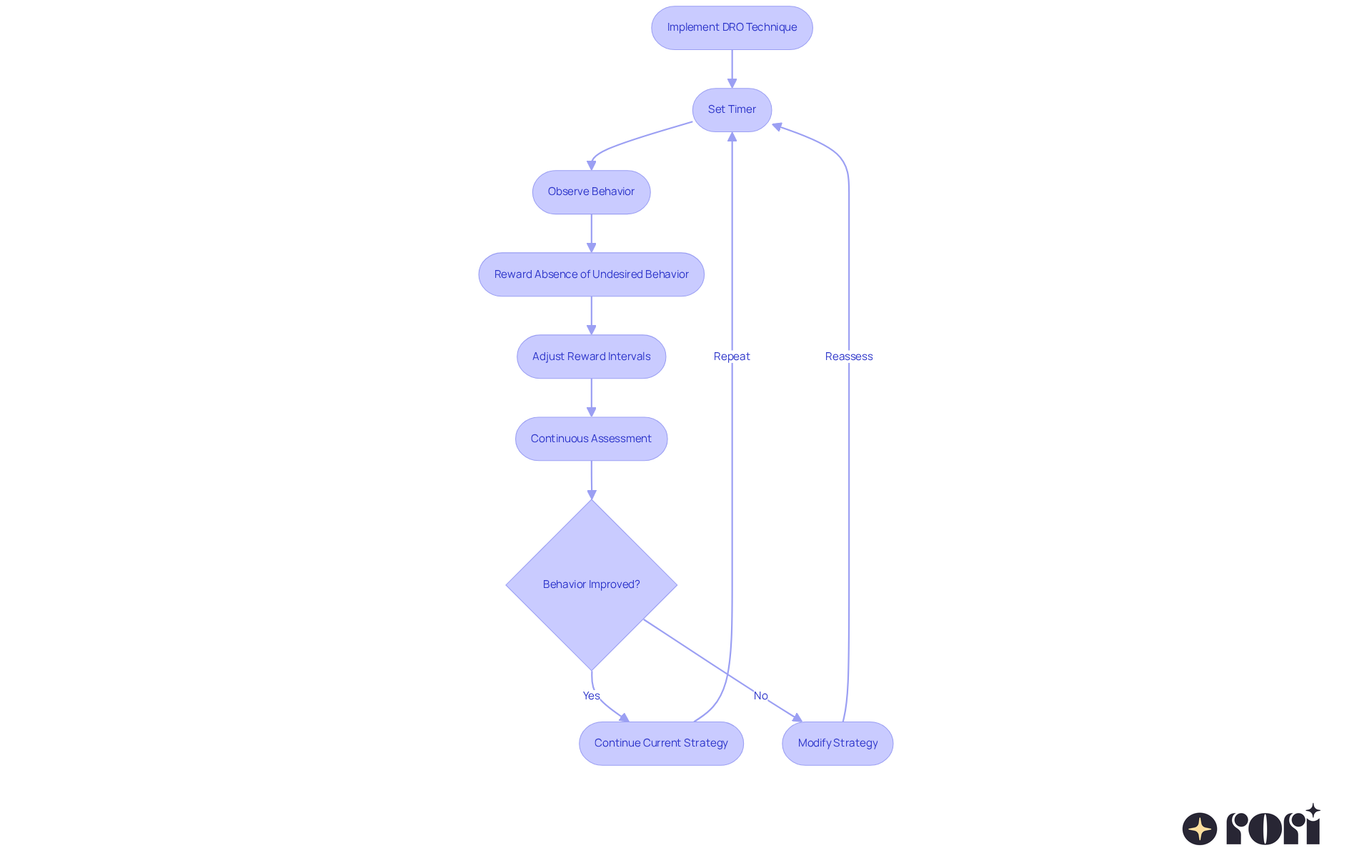
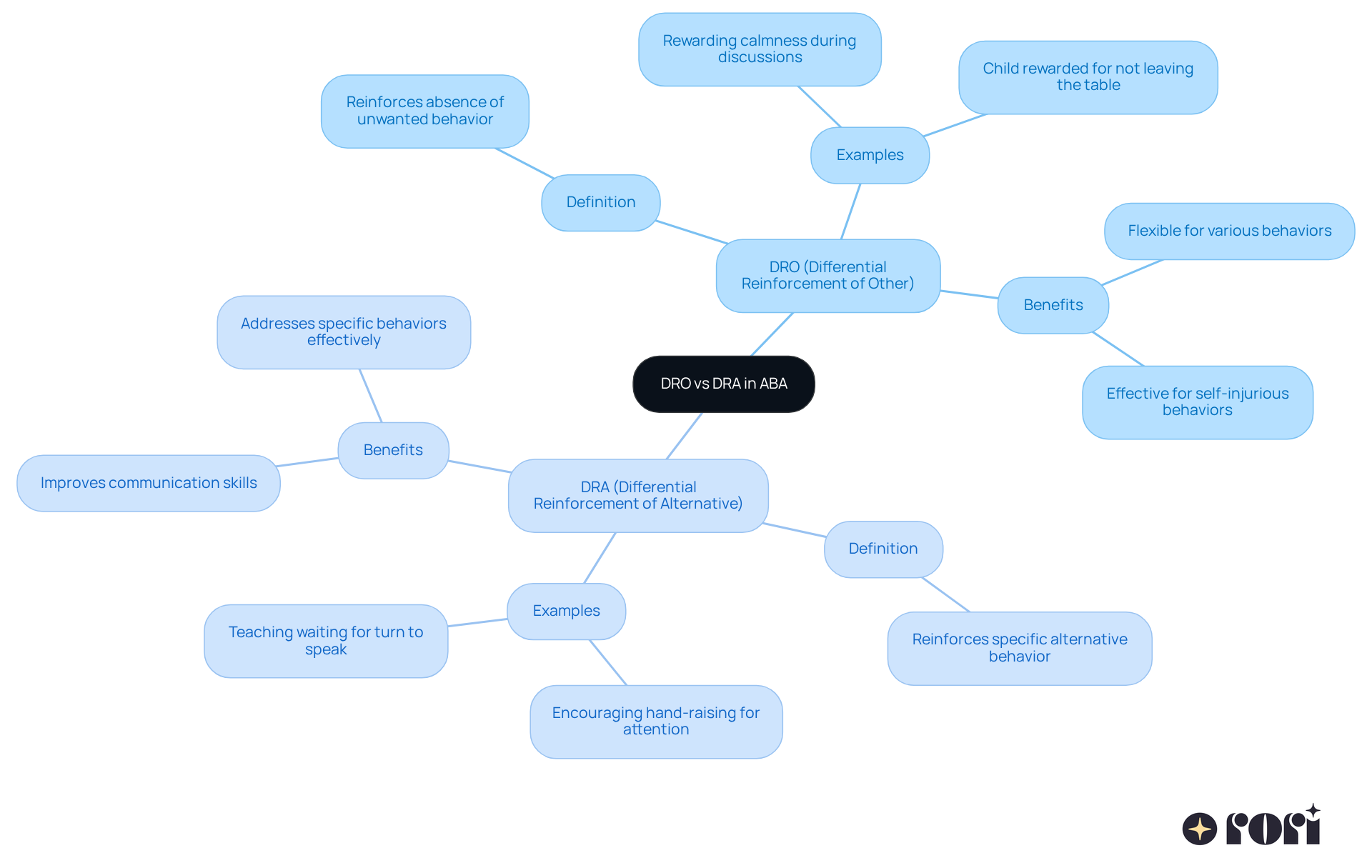
() is a fantastic technique that emphasizes rewarding the absence of certain undesired behaviors over a specific timeframe. For example, when dealing with tantrums, a parent might set a timer for 10 minutes. If the little one successfully avoids outbursts during that time, they get a reward! This approach not only encourages kids to steer clear of harmful behaviors but also nurtures a more positive environment through encouraging reinforcement.
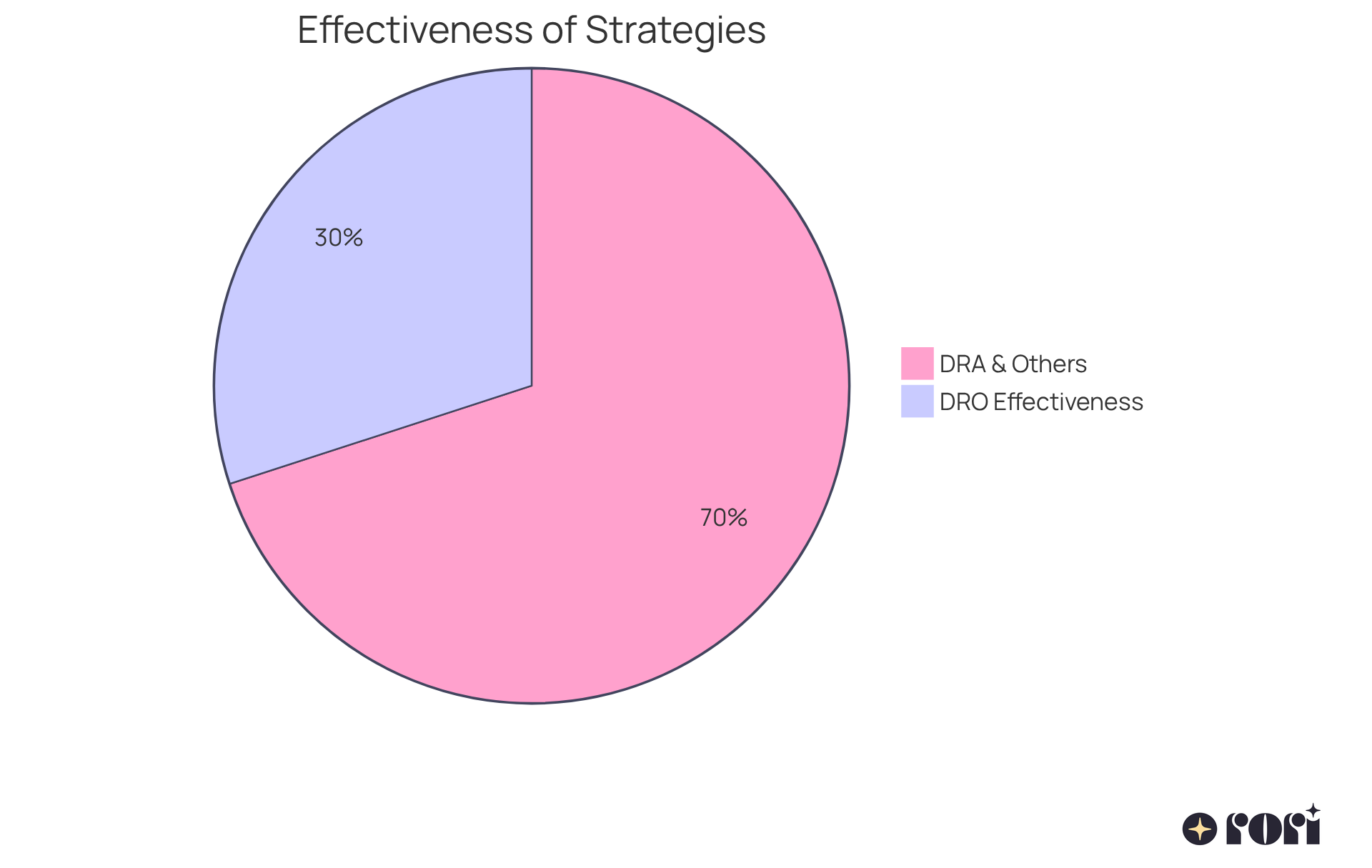
The benefits of DRO are truly impressive. By rewarding moments of appropriate behavior, kids learn to associate calmness and self-control with . This strategy can lead to a , shifting the emphasis from punishment to encouragement. In fact, studies indicate that DRO can achieve success rates of up to 70% in minimizing difficult behaviors in children with autism, showcasing its effectiveness in real-life situations.
Experts in the field stress the importance of . It’s essential to choose incentives that resonate with a child’s interests to maximize the technique’s impact. As children begin to experience success, the intervals for reinforcement can be gradually extended, promoting longer periods of desired behavior.
Recent research on techniques in autism therapy underscores their . By using and ensuring consistent reinforcement, parents can significantly enhance their child’s . This not only encourages positive change but also allows families to actively participate in their child’s development. Plus, regularly assessing and adjusting the DRO strategy is vital to ensure its effectiveness, enabling parents to adapt the approach based on their child’s progress. Caregiver education is crucial in effectively implementing DRO strategies, empowering parents to support their child’s behavioral growth through informed choices and active involvement in data collection.
Let’s explore this together! By understanding and applying these techniques, you can make a real difference in your child’s behavior and overall well-being.
Exploring DRA: Reinforcing Alternative Behaviors for Positive Change
(DRA) is a concept that falls under the umbrella of , emphasizing the encouragement of a to replace an undesired one. For example, if your little one tends to yell for attention, you might suggest raising their hand instead. When they successfully raise their hand, they get a little praise or a reward! This approach not only helps reduce that loud shouting but also nurtures their , making interactions so much better.
Recent studies have shown just how effective DRA can be, especially in treating autism, highlighting the differences between . Kids with Autism Spectrum Disorders, ADHD, and other behavioral challenges have shown significant improvements in communication and emotional regulation. Isn’t that amazing? The approach of can lead to fewer outbursts and more , like asking for a break. This dual benefit is crucial for both kids with developmental disabilities and their typically developing peers.
When considering the differences between , it’s important to pinpoint the , understand its purpose, and pick a suitable alternative response. For instance, educators and therapists have found that giving kids chances for feedback helps them express what reinforcement they need, making the more personalized and effective. Plus, using high-probability requests can create a positive momentum for compliance, boosting the success of interventions in the context of .
The benefits of teaching alternative actions through extend beyond just immediate . By giving children , parents and educators empower them to express their needs more effectively. This leads to better social interactions and family dynamics. As practitioners stress the importance of consistent reinforcement, the long-term benefits of become clear, paving the way for meaningful behavioral improvements. To get started with DRA at home, parents can identify one specific behavior they’d like to change and consistently reinforce the desired alternative action. Let’s explore this together!

Comparative Effectiveness: When to Use DRO vs DRA
Choosing between and can feel a bit tricky, but it really depends on the specific actions you’re looking to target when considering DRO vs . The concept of shines when it comes to that don’t have a clear alternative. It focuses on reinforcing the absence of unwanted behavior. For instance, if a young person tends to have frequent outbursts during discussions, DRO can help reduce those interruptions by —without needing them to do something specific instead.
On the flip side, when considering the differences in DRO vs , DRA is super helpful when there’s a clear alternative behavior that can be taught and reinforced. Imagine a young person who interrupts others; DRA can encourage them to wait their turn to speak and reward that behavior. This not only tackles the interruptive behavior but also helps build essential .
Statistics show that using DRA can lead to significant improvements in communication and social interactions among youth with autism. Studies have found that kids who apply DRA strategies often show better functional communication abilities, which are so important for their overall growth.
Let’s look at some real-world examples! In a classroom, a teacher might use DRA to encourage hand-raising for attention, which helps reduce interruptions and creates a more orderly environment. At home, a parent could use DRO by rewarding their child for staying calm during family discussions, which can effectively lessen aggressive outbursts.
emphasize that understanding the nature of the behaviors is key to selecting the right strategy. In the discussion of , DRO is often recommended for complex or multiple undesired behaviors, while DRA is preferred when a clear alternative can be established. By tailoring interventions to meet the unique needs of the young person, practitioners can really boost the effectiveness of these differential reinforcement techniques.
Moreover, empowering caregivers with knowledge about ABA principles can enhance their ability to support their child’s behavioral goals. When caregivers are informed, they can make better decisions, actively engage in interventions, and contribute to improved outcomes. Regular data collection and thorough documentation are vital for evaluating how well both techniques, DRO vs , are working. And let’s not forget about ethical considerations—obtaining informed consent before starting any treatment is crucial for responsible practices. Collaboration among everyone involved in ABA therapy makes interventions more effective, so keeping the lines of communication open is essential. Let’s explore this together!
Reinforcement Schedules: Key to Successful DRO and DRA Implementation
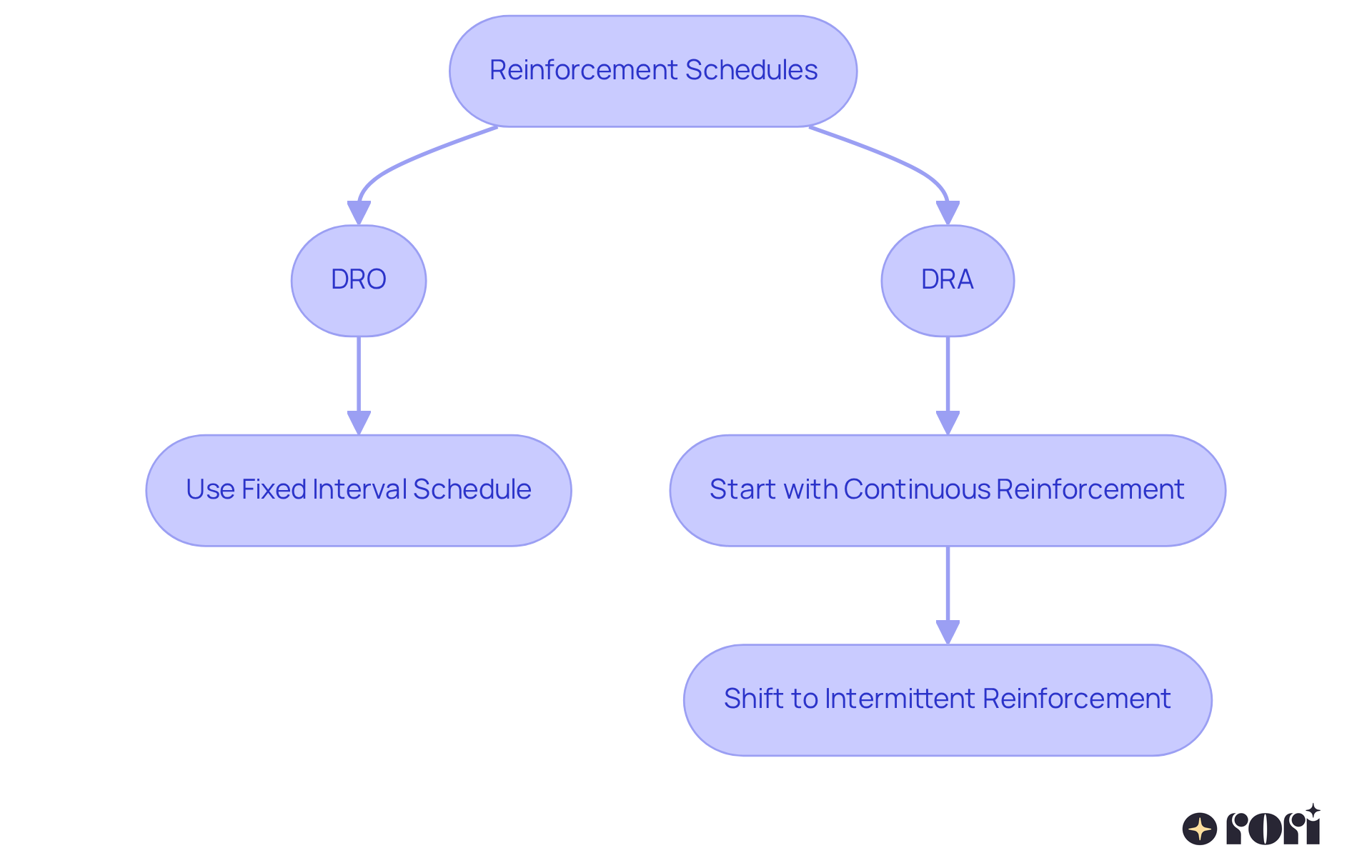
play a vital role in effectively using the concepts of in and . For DRO, a fixed interval schedule can be a great approach. Here, reinforcement is given after a specific time without any unwanted actions, helping to promote the absence of negative behaviors over time. On the flip side, DRA often kicks off with continuous reinforcement to establish the desired action, then gradually shifts to intermittent reinforcement as the action becomes more stable. This shift keeps motivation high and supports lasting change in behaviors.
Behavior analysts highlight how important it is to tailor . For example, Amelia Dalphonse, a Board Certified Behavior Analyst (BCBA), points out that understanding the purpose behind actions is key for effective interventions. She shares, “When you can identify the function of the action, you can limit reinforcement for the unwanted action and work to teach a functionally equivalent replacement action.” This patient-focused approach is a cornerstone of , which adapts to each person’s unique needs. It’s shown to be , with impressive progress seen in 90% of individuals when the recommended hours are fully implemented with active caregiver involvement.
Research shows that have a . Studies reveal an average effectiveness of 91.9% for interventions using DRA, DRI, and comparing . To successfully implement these schedules, careful planning is essential. This includes setting measurable goals and using evidence-based strategies, along with ongoing data collection. Practitioners should keep an eye on progress and adjust reinforcement criteria based on how the learner responds. By using flexible that adapt to the child’s growth, caregivers can enhance the effectiveness of interventions. This ensures that children not only learn new behaviors but also keep them over time. However, it’s crucial to be aware of the potential risks with momentary DRO, as it might unintentionally reinforce unwanted actions if not closely monitored.
Let’s explore this together! We’re here to !
Overcoming Challenges: Navigating DRO and DRA Implementation
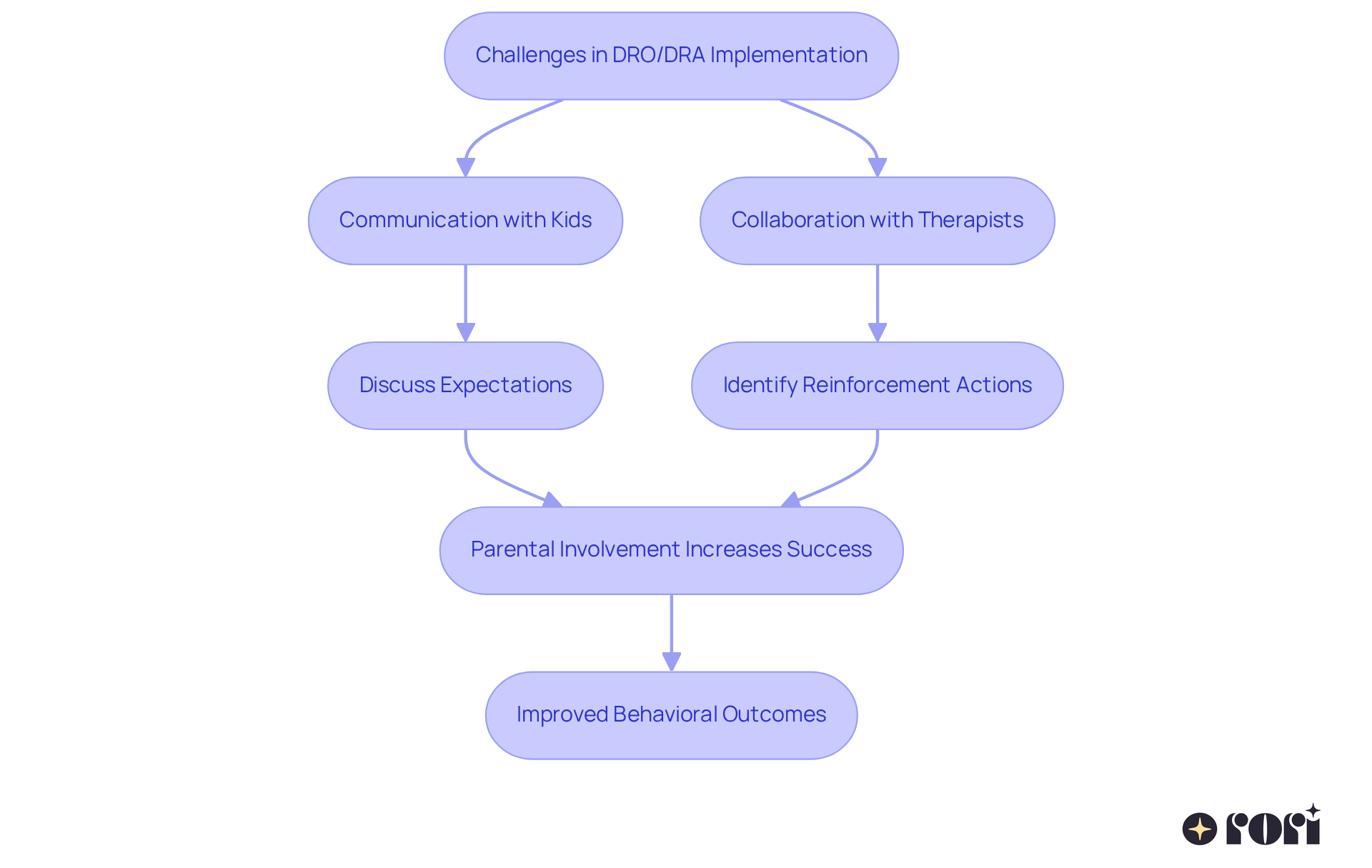
Implementing can be a bit tricky for parents. You might face inconsistencies in reinforcement or have trouble pinpointing suitable alternative actions. But don’t worry! By fostering about expectations and rewards, you can tackle these challenges together. to identify the right actions for reinforcement can really make a difference. This teamwork not only boosts the effectiveness of these strategies but also provides valuable support for you as caregivers.
Did you know that involving parents in the reinforcement process can lead to lasting ? Statistics show that 90% of youth demonstrate in techniques such as . By deepening your through , you can make informed decisions that positively influence your child’s progress. This leads to , which is what we all want!
Don’t forget, consistently as needed can further enhance success. This way, your strategies can remain aligned with your child’s evolving needs. By adopting these practices, you can create a supportive environment that promotes positive behavioral outcomes. Let’s explore this together and make the journey smoother for everyone involved!
Data Tracking: Measuring Success in DRO and DRA Strategies
Monitoring data is super important for evaluating how well the strategies of are working. Parents can easily keep track of their children’s behaviors, noting both the unwanted actions and the positive alternatives being reinforced. This organized approach helps everyone see more clearly over time, allowing parents and clinicians to assess how effective the interventions are.
Regularly reviewing this data is key! It helps in making necessary tweaks to , ensuring that progress keeps moving forward. Research shows that like can lead to . For instance, studies have found a 30% drop in aggressive behavior among young people using these techniques.
Clinicians highlight that accurate not only boosts the objectivity of assessments but also creates a where parents and therapists can work hand-in-hand towards common goals. By utilizing thorough activity records, families can actively participate in their child’s therapeutic journey, ultimately leading to . Let’s explore this together and see how we can support each other on this path!
Ethical Considerations: Ensuring Responsible Use of DRO and DRA
: Ensuring Responsible Use of DRO and DRA
When it comes to implementing of Other Behavior (DRO) and of Alternative Behavior (DRA), it’s essential to keep front and center. At Rori Care, we truly believe that the patient is at the heart of everything we do. This principle extends to ensuring that our interventions respect each individual’s dignity and autonomy.
As practitioners and parents, we should remember a few key points:
- First, obtaining is crucial. It’s important that parents and guardians fully understand the methods we’re using and their potential impacts.
- Next, let’s be transparent about the reinforcement strategies we employ. We want to make sure they don’t inadvertently encourage any harmful behaviors.
- Lastly, with the young one about their feelings and experiences during the intervention can create an environment of trust and respect.
Our clinical leadership team is dedicated to embracing neurodiversity. We aim to empower families by encouraging with the young person about their emotions and experiences during the intervention. This collaborative approach not only helps maintain ethical standards but also supports the child’s . Research shows that significantly enhance treatment outcomes. This reinforces the importance of maintaining high ethical standards in the context of DRO vs DRA ABA therapy.
By integrating these ethical principles, we can ensure that our interventions are not only effective but also compassionate and respectful. Let’s explore this together! We’re here to help you every step of the way!

Technology Integration: Enhancing DRO and DRA with Innovative Tools
Incorporating technology into the strategies of , also referred to as , can really make a difference! 🌟 , , and offer that help everyone stay on track. These innovative tools allow parents and clinicians to monitor actions more efficiently, making it easier to and keep reinforcement schedules consistent.
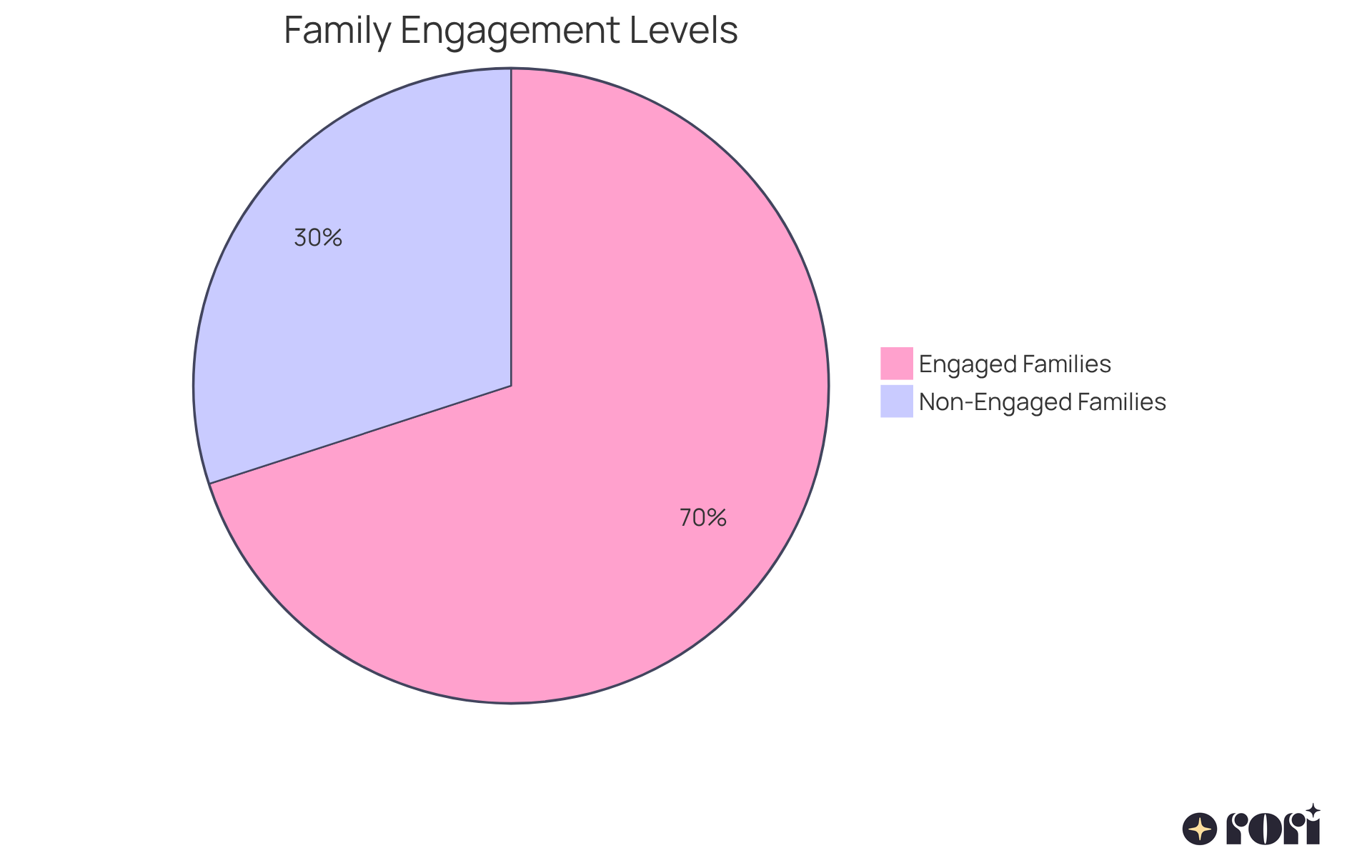
As a result, young individuals often see . Research shows that can lead to more effective behavior changes. Isn’t that great? In fact, around 70% of families using mobile apps for monitoring activities report feeling more engaged and communicating better with their therapists. This highlights just how important these digital solutions are in autism care. Let’s explore this together and see how technology can support your journey!
Key Takeaways: Essential Insights on DRO and DRA for Parents
( vs ) is super important for parents who want to support their kids’ behavioral growth. Let’s break it down:
- Focus of Strategies: The concept of DRO vs DRA ABA is centered on reinforcing the absence of unwanted behaviors, which helps kids learn to hold back from certain actions. On the flip side, the discussion of DRO vs DRA ABA focuses on teaching alternative behaviors that meet the same needs. For instance, instead of shouting for attention, a child might learn to raise their hand.
- : To make these strategies work, it’s crucial to stick to consistent reinforcement schedules and keep track of progress. Parents who are informed and equipped through caregiver education can really make a difference in supporting behavioral goals, boosting their confidence and easing stress.
- : Facing challenges while implementing these strategies? are essential. When everyone is on the same page, it creates a that benefits the child’s growth.
- : Remember, all interventions should be guided by ethical principles, always prioritizing the rights and well-being of the child. This is vital for creating a supportive atmosphere.
- : Excitingly, technology can really amp up the effectiveness of these strategies! It provides handy tools for tracking and engagement. Plus, the comparison of DRO vs DRA ABA can be used by parents, teachers, and caregivers in everyday settings, highlighting its flexibility.
By embracing these insights, parents can play an active role in their child’s ABA therapy journey. Here are some friendly tips to get started:
- Keep in regular touch with therapists to stay aligned on strategies.
- Use tech tools to track behavioral progress effectively.
- Practice alternative behaviors with your child in everyday situations.
Getting involved not only supports your child’s progress but also empowers you as caregivers, enriching family dynamics. Let’s explore this together!

Conclusion
Understanding the difference between Differential Reinforcement of Other behaviors (DRO) and Differential Reinforcement of Alternative behaviors (DRA) is so important for parents navigating the complexities of ABA therapy. These strategies offer essential frameworks for encouraging positive behavior and reducing unwanted actions in children with autism. By focusing on personalized approaches, caregivers can really enhance their child’s behavioral growth and overall well-being.
Key insights from the article remind us of the importance of consistent reinforcement, collaboration with therapists, and the ethical considerations that should guide interventions. Parents are encouraged to actively engage in their child’s treatment, using technology to track progress and communicate effectively with professionals. This collaborative effort not only supports the child’s development but also empowers families, creating a nurturing and supportive environment.
Ultimately, the journey of implementing DRO and DRA strategies is one of partnership and learning. By embracing these insights and actively participating in the therapeutic process, parents can help their children thrive. The commitment to understanding and applying these techniques can lead to meaningful behavioral changes, enriching family dynamics and improving the quality of life for youth with autism. Let’s explore this path together, ensuring that each child receives the tailored support they need for a brighter future!
Frequently Asked Questions
What is Rori Care’s approach to ABA therapy?
Rori Care emphasizes personalized interventions in Applied Behavior Analysis (ABA) therapy, conducting thorough evaluations to design customized treatment plans that cater to each individual’s unique needs.
What are DRO and DRA in ABA therapy?
Differential Reinforcement of Other behaviors (DRO) focuses on rewarding the absence of undesired behaviors over a specific timeframe, while Differential Reinforcement of Alternative behaviors (DRA) encourages a specific alternative behavior to replace an undesired one.
How effective is personalized ABA therapy for individuals with autism?
Research shows that personalized ABA therapy can significantly enhance communication skills, adaptive behavior, and overall development, with an impressive success rate of over 89%.
Why is family involvement important in the treatment process?
Family involvement is crucial as it ensures that the treatment plan aligns with the family’s values and goals, empowering families and enhancing the quality of life for youth with autism.
What are the benefits of using DRO in therapy?
DRO encourages children to avoid undesired behaviors by rewarding moments of appropriate behavior, leading to a significant reduction in tantrums and challenging behaviors, with success rates of up to 70%.
How can parents effectively implement DRO strategies?
Parents should choose personalized rewards that resonate with their child’s interests, gradually extend reinforcement intervals, and regularly assess and adjust the DRO strategy based on their child’s progress.
What are the advantages of using DRA in therapy?
DRA helps reduce undesired behaviors by encouraging specific alternative behaviors, improving communication skills, and fostering better social interactions, particularly in children with autism and other behavioral challenges.
How can parents get started with DRA at home?
Parents can identify one specific behavior they’d like to change and consistently reinforce the desired alternative action to encourage positive behavior changes.
List of Sources
- Rori Care – ABA Therapy: Personalized Approaches to DRO and DRA
- The Significance of Statistics in ABA Therapy | All Star ABA (https://allstaraba.org/statistics-in-aba-therapy)
- Inspirational ABA and Autism Quotes – Mrs. Moe’s Modifications (https://mrsmoesmodifications.com/inspirational-aba-and-autism-quotes)
- Tracking and Measuring Outcomes in ABA Therapy Programs (https://mastermindbehavior.com/post/tracking-and-measuring-outcomes-in-aba-therapy-programs)
- The Numbers Don’t Lie: Revealing Autism Therapy Statistics | Above and Beyond Therapy (https://abtaba.com/blog/autism-therapy-statistics)
- Data-driven, client-centric applied behavior analysis treatment-dose optimization improves functional outcomes – PMC (https://pmc.ncbi.nlm.nih.gov/articles/PMC9672611)
- Understanding DRO: Focus on Reinforcing Other Behaviors
- Efficacy of differential reinforcement of other behaviors therapy for tic disorder: a meta-analysis – PMC (https://pmc.ncbi.nlm.nih.gov/articles/PMC10759470)
- rori.care (https://rori.care/post/understanding-dro-differential-reinforcement-of-other-behavior-in-aba-therapy-an-example)
- A Study to Measure The Effectiveness of Differential Reinforcement for Stereotypical Behavior in Autism Spectrum Disorder (https://biomedpharmajournal.org/vol9no2/a-study-to-measure-the-effectiveness-of-differential-reinforcement-for-stereotypical-behavior-in-autism-spectrum-disorder)
- rori.care (https://rori.care/post/differential-reinforcement-of-other-behavior-involves-key-steps-for-parents)
- Exploring DRA: Reinforcing Alternative Behaviors for Positive Change
- Differential Reinforcement | Links (https://linksaba.com/differential-reinforcement)
- iris.peabody.vanderbilt.edu (https://iris.peabody.vanderbilt.edu/module/bi2-elem/cresource/q1/p08)
- rori.care (https://rori.care/post/5-powerful-examples-of-dra-in-aba-therapy-you-should-know)
- A Study to Measure The Effectiveness of Differential Reinforcement for Stereotypical Behavior in Autism Spectrum Disorder (https://biomedpharmajournal.org/vol9no2/a-study-to-measure-the-effectiveness-of-differential-reinforcement-for-stereotypical-behavior-in-autism-spectrum-disorder)
- Differential Reinforcement of Alternative Behavior (DRA) (https://adinaaba.com/post/differential-reinforcement-of-alternative-behavior)
- Comparative Effectiveness: When to Use DRO vs DRA
- allstaraba.org (https://allstaraba.org/blog/understanding-dri-vs-dro-vs-dra-in-aba)
- DRA vs DRO – How Differential Reinforcement is Used to Help Change Behaviors – Achieve Beyond (https://achievebeyondusa.com/the-dl-on-dras-and-dros-using-differential-reinforcement-to-help-change-behaviors)
- Understanding DRI vs DRO vs DRA in ABA Techniques (https://moveupaba.com/blog/dri-dro-dra-in-aba)
- levelaheadaba.com (https://levelaheadaba.com/blog/expert-insights-dri-vs-dro-vs-dra-in-aba)
- Reinforcement Schedules: Key to Successful DRO and DRA Implementation
- DRA vs DRO – How Differential Reinforcement is Used to Help Change Behaviors – Achieve Beyond (https://achievebeyondusa.com/the-dl-on-dras-and-dros-using-differential-reinforcement-to-help-change-behaviors)
- rori.care (https://rori.care/post/7-key-insights-on-dra-dri-dro-for-effective-aba-therapy)
- Uh oh! Looks like you’re lost! (https://masteraba.com/differential-reinforcement)
- goldenstepsaba.com (https://goldenstepsaba.com/resources/understanding-the-importance-of-reinforcement-schedules-in-aba)
- Overcoming Challenges: Navigating DRO and DRA Implementation
- allstaraba.org (https://allstaraba.org/blog/understanding-dri-vs-dro-vs-dra-in-aba)
- (PDF) A Comparison of Function-Based Differential Reinforcement Interventions for Children Engaging in Disruptive Classroom Behavior (https://researchgate.net/publication/225577010_A_Comparison_of_Function-Based_Differential_Reinforcement_Interventions_for_Children_Engaging_in_Disruptive_Classroom_Behavior)
- pmc.ncbi.nlm.nih.gov (https://pmc.ncbi.nlm.nih.gov/articles/PMC2998250)
- rori.care (https://rori.care/post/5-essential-dra-dro-and-dri-examples-in-aba-you-need-to-know)
- 10 Great Quotes on Promoting Positive Behavior – Brookes Blog (https://blog.brookespublishing.com/10-great-quotes-on-promoting-positive-behavior)
- Data Tracking: Measuring Success in DRO and DRA Strategies
- rori.care (https://rori.care/post/7-key-insights-on-dra-dri-dro-for-effective-aba-therapy)
- The Importance of Data Collection in ABA Therapy (https://totalcareaba.com/autism/the-importance-of-data-collection-in-aba-therapy)
- The Significance of Statistics in ABA Therapy | All Star ABA (https://allstaraba.org/statistics-in-aba-therapy)
- The Importance of Data Collection in Effective ABA Programs | Intellistars – ABA Therapy (https://intellistarsaba.com/blog/the-importance-of-data-collection-in-effective-aba-programs)
- prosperahealthcare.com (https://prosperahealthcare.com/data-collection-aba-therapy)
- Ethical Considerations: Ensuring Responsible Use of DRO and DRA
- astroaba.com (https://astroaba.com/blog/the-ethics-of-aba-therapy-what-parents-should-know)
- totalcareaba.com (https://totalcareaba.com/autism/aba-ethical-considerations)
- Applied Behavior Analysis and Ethical Considerations (https://heartwisesupport.org/post/applied-behavior-analysis-and-ethical-considerations)
- The Role of Differential Reinforcement in Reducing Problem Behaviors | Intellistars – ABA Therapy (https://intellistarsaba.com/blog/the-role-of-differential-reinforcement-in-reducing-problem-behaviors)
- newsfromthestates.com (https://newsfromthestates.com/article/new-aba-therapy-workgroups-use-ndas-draws-criticism )
- Technology Integration: Enhancing DRO and DRA with Innovative Tools
- discoveryaba.com (https://discoveryaba.com/aba-therapy/the-benefits-of-using-technology-in-aba-therapy-programs?8936781b_page=13)
- 50 Powerful Quotes to Inspire Fintech Leaders & Innovators (https://fintechly.com/leadership/50-powerful-quotes-to-inspire-fintech-leaders-and-innovators)
- jdmeier.com (https://jdmeier.com/innovation-quotes)
- The impact of technology on ABA therapy delivery (https://mastermindbehavior.com/post/the-impact-of-technology-on-aba-therapy-delivery)
- Key Takeaways: Essential Insights on DRO and DRA for Parents
- rori.care (https://rori.care/post/differential-reinforcement-of-other-behavior-involves-key-steps-for-parents)
- Inspirational ABA and Autism Quotes – Mrs. Moe’s Modifications (https://mrsmoesmodifications.com/inspirational-aba-and-autism-quotes)
- allstaraba.org (https://allstaraba.org/blog/understanding-dri-vs-dro-vs-dra-in-aba)
- rori.care (https://rori.care/post/5-essential-dra-dro-and-dri-examples-in-aba-you-need-to-know)
- A Comprehensive Guide to Differential Reinforcement (DRI) in ABA | Brighter Strides ABA (https://brighterstridesaba.com/blog/differential-reinforcement-dri-in-aba)