
Introduction
Understanding the nuances of autism is so important for nurturing positive behavior in children on the spectrum. As caregivers, you have a unique chance to create supportive environments that not only tackle the challenges these kids face but also celebrate their individuality. But here’s the thing: how can you effectively implement strategies that promote positive behavior while navigating the complexities of autism?
Let’s explore this together! This article dives into actionable steps that empower you to encourage positive behavior, ensuring a nurturing and structured atmosphere for children with autism. We’re here to help you every step of the way!
Understand Autism and Its Impact on Behavior
To effectively promote encouraging in children with autism, it’s important to understand the . Children with ASD can show a range of behaviors, like challenges in social interactions, communication hurdles, and repetitive actions. These traits can really shape how they respond to traditional .
Let’s dive into a few key aspects:
- : Many kids with autism struggle to read social cues and might not respond to verbal instructions the way we expect. This disconnect can lead to frustration and, sometimes, behavioral issues.
- Sensory Sensitivities: Kids with developmental differences often have , bright lights, or textures. These sensitivities can trigger anxiety or meltdowns, making it tougher to manage their behavior.
- Need for Routine: A for individuals with autism. When their routines are disrupted, it can lead to anxiety and .
By recognizing these factors and using strategies that focus on , caregivers can create a that helps reduce difficult behavior. Understanding each child’s individuality is key, as it allows for tailored approaches that resonate with their unique experiences and needs. Plus, integrating measurable goals and ongoing evaluations into can really boost the effectiveness of interventions. This way, caregivers can track progress and make informed decisions.
This comprehensive approach not only improves behavioral outcomes but also empowers caregivers, boosting their confidence and easing stress within the family dynamic. Let’s explore this together! We’re here to help you every step of the way!

Establish Consistent Routines for Security and Predictability
Creating consistent routines can be a game-changer for encouraging in children with autism. Let’s dive into some :
- : Start by crafting a that clearly outlines activities – think wake-up times, meals, playtime, and bedtime. Using visual tools like charts or pictures can really help, especially for kids who might struggle with abstract concepts.
- Consistency: Sticking closely to the routine brings a , which is super important for easing anxiety. Research shows that kids with autism thrive in environments where expectations are clear and consistent.
- Preparation for Changes: Life happens, and sometimes changes to the routine are unavoidable. When that happens, it’s helpful to prepare your child in advance. can illustrate what’s changing and when, making it easier for them to adjust mentally and emotionally. This proactive approach can really help .
- : Give your child a sense of control by allowing them to make choices within the routine, like picking activities or snacks. This not only boosts their engagement but also enhances their motivation.
- : ! Positive reinforcement, like praise or small rewards, can encourage ongoing adherence and build their confidence as they see that following the routine leads to good things.
By using these strategies, you can create an organized environment that is focused on encouraging in children with autism while also supporting their overall well-being and growth. Consistent routines have been shown to improve emotional regulation and social skills, making them invaluable tools for fostering independence and confidence.
Let’s explore this together! Your journey in supporting your child is important, and you’re not alone in this.

Implement Positive Reinforcement Techniques to Encourage Desired Behaviors
Positive reinforcement is such a vital approach for encouraging in children with autism. Let’s dive into how to make it work effectively:
- : Start by clearly defining the specific actions you want to encourage, like sharing toys or following instructions. This clarity helps everyone recognize what the desired behavior looks like.
- : Pick rewards that resonate with your child. Think about things like verbal praise, stickers, extra playtime, or their favorite snack. The key is to ensure that the reinforcement is relevant to what your child enjoys. As therapists often say, using a mix of reinforcers – like tangible rewards, social praise, and fun activities – can really and help you make informed choices that positively impact your child’s growth.
- : It’s super important to give reinforcement right after the desired action happens. This quick feedback helps your child connect their action with the reward, making the learning process smoother. Research shows that prompt reinforcement is crucial for effectively changing behaviors, and when caregivers actively participate, the outcomes can be even better.
- : Consistency is key, especially at the beginning. Reinforce the desired behavior every time it happens, then gradually reduce how often you do it as the behavior becomes more established. Getting the whole family involved can really help with consistency and generalizing the skills learned during therapy sessions, empowering you with the knowledge and tools to effectively.
- Use : To keep motivation high, mix up the types of rewards you use. This way, your child stays engaged and doesn’t lose interest in the learning process. One therapist shared, “Using different types of reinforcement keeps the learning environment lively and exciting for young learners.”
By following these strategies, you can effectively focus on in children with autism, creating a supportive and harmonious atmosphere for those with developmental differences. Plus, it boosts your confidence and helps reduce stress. Let’s explore this together!

Create a Structured Environment to Support Positive Behavior
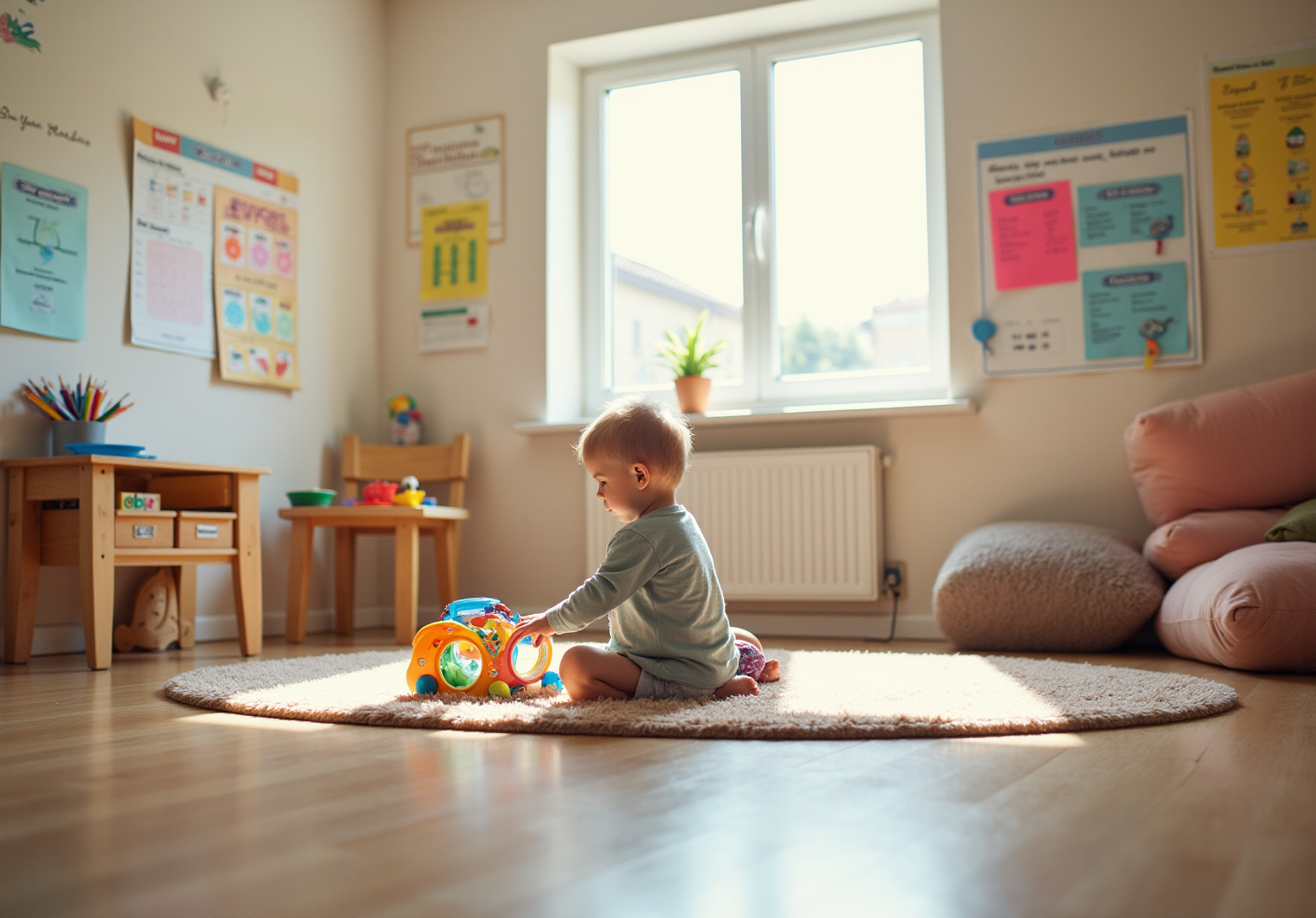
Creating an is key to encouraging in children with autism. Research shows that a thoughtfully arranged environment can really boost engagement, learning, and overall well-being for children with autism. At Rori Care, we’re all about empowering your child with the skills they need to navigate the world independently. Here are some to help you set up that supportive environment:
- Organize the Space: Keep things tidy and clutter-free. Designate specific areas for activities like play, study, and relaxation. This helps your little one focus better. A well- reduces distractions, making it easier for them to stay on task.
- Minimize Distractions: To help , try to minimize distractions in the environment. Soft lighting, lower noise levels, and calming sensory tools like fidget toys or weighted blankets can make a big difference. helps kids cope with sensory sensitivities, making them feel more at ease.
- : Use like labels, charts, and schedules to help your child navigate their surroundings and understand what’s expected of them. Visual cues can , reducing frustration and power struggles. These tools can really help ease anxiety, which is so important for kids facing behavioral challenges.
- : Structure activities around your child’s established routines. If homework is set for a certain time, make sure the environment is conducive to focusing on that task. Kids tend to be more engaged and cooperative when routines are consistent, enhancing their learning opportunities and aligning with the goals of our behavioral programs.
- : Create safe areas where your child can retreat when feeling overwhelmed. A quiet corner with soft cushions or sensory toys can be a great self-soothing spot. These spaces help reduce stress and emotional breakdowns by providing predictability and safety, giving you for behavioral support.
Implementing these strategies is crucial for encouraging in children with autism, as it also and allows them to thrive in a nurturing and organized environment. Let’s explore this together!

Conclusion
Encouraging positive behavior in children with autism is all about a thoughtful, tailored approach that truly recognizes their unique needs. By understanding the characteristics of autism, caregivers can create a nurturing environment that fosters growth and emotional well-being. Think about it: establishing consistent routines, using positive reinforcement techniques, and creating structured spaces can really support learning and engagement.
Key strategies to consider include:
- Daily schedules
- Visual aids
- Maintaining consistency in routines
A predictable environment not only helps ease anxiety but also boosts emotional regulation and social skills. Plus, positive reinforcement is such a powerful tool! It motivates and encourages those desired behaviors, making sure children feel valued and understood.
Ultimately, supporting a child with autism is a journey filled with opportunities for connection and growth. By applying these strategies, caregivers can create a warm atmosphere that promotes positive behavior and helps children thrive. Embracing this approach not only empowers children but also strengthens family bonds, paving the way for a brighter future. Let’s explore this together! We’re here to help you every step of the way!
Frequently Asked Questions
What is autism and how does it affect behavior in children?
Autism Spectrum Disorder (ASD) can lead to challenges in social interactions, communication, and repetitive behaviors, which can significantly influence how children respond to traditional behavioral strategies.
What are some common social communication challenges faced by children with autism?
Many children with autism struggle to read social cues and may not respond to verbal instructions as expected, which can lead to frustration and behavioral issues.
How do sensory sensitivities impact children with autism?
Children with autism often have heightened sensitivities to stimuli such as sounds, bright lights, or textures, which can trigger anxiety or meltdowns, complicating behavior management.
Why is a consistent routine important for children with autism?
A consistent routine provides a sense of security for individuals with autism, and disruptions to their routines can lead to increased anxiety and behavioral challenges.
What strategies can caregivers use to encourage positive behavior in children with autism?
Caregivers can create a supportive environment by recognizing the unique traits of each child, using tailored approaches, and integrating measurable goals and ongoing evaluations into behavioral strategies.
How can understanding a child’s individuality improve behavioral outcomes?
Understanding each child’s unique experiences and needs allows caregivers to implement personalized strategies that resonate with the child, leading to more effective interventions and improved behavioral outcomes.
What benefits do caregivers gain from using comprehensive approaches to behavior management?
Comprehensive approaches not only improve behavioral outcomes but also empower caregivers, boosting their confidence and reducing stress within the family dynamic.
List of Sources
- Understand Autism and Its Impact on Behavior
- Best Autism Quotes to Raise Awareness and Understanding (https://yellowbusaba.com/post/autism-quotes)
- 30 Quotes from 30 People with Autism (https://elsforautism.org/30-quotes-from-30-people-with-autism)
- 107 Favorite Quotes About Autism and Aspergers (https://the-art-of-autism.com/favorite-quotes-about-autism-and-aspergers)
- 10 inspiring quotes from people with autism | Autism Speaks (https://autismspeaks.org/life-spectrum/autism-quotes)
- Inspiring and Insightful Autism Quotes | Advanced Autism Services (https://advancedautism.com/post/autism-quotes)
- Establish Consistent Routines for Security and Predictability
- The Science Behind Why Routines Work for Children with Autism (https://heartwisesupport.org/post/the-science-behind-why-routines-work-for-children-with-autism)
- Best Autism Quotes to Raise Awareness and Understanding (https://yellowbusaba.com/post/autism-quotes)
- 12 Benefits of Predictable Routines for Kids with Autism (https://aimhigheraba.com/12-benefits-of-predictable-routines-for-children-with-autism)
- Why Routine is Important for Autism – Hello ABA Therapy (https://helloaba.com/blogs-why-routine-is-important-for-autism)
- Implement Positive Reinforcement Techniques to Encourage Desired Behaviors
- Autism Quotes (https://kidsclubaba.com/autism-quotes)
- mdpi.com (https://mdpi.com/2227-7102/13/7/751)
- Quotes About Autism – Arms Wide Open ABA Therapy (https://armswideopenaba.com/blog/quotes-about-autism)
- The Role of Positive Reinforcement in ABA Therapy for Children with Autism (https://yellowbusaba.com/post/the-role-of-positive-reinforcement-in-aba-therapy-for-children-with-autism)
- goldstarrehab.com (https://goldstarrehab.com/parent-resources/autism-therapy-statistics)
- Create a Structured Environment to Support Positive Behavior
- Inspiring Autism Quotes for Understanding and Acceptance – Kids First (https://kidsfirstservices.com/first-insights/autism-quotes)
- The Importance of Creating Structured Environments for Children with Autism (https://mastermindbehavior.com/post/the-importance-of-creating-structured-environments-for-children-with-autism)
- The Numbers Don’t Lie: Revealing Autism Therapy Statistics | Above and Beyond Therapy (https://abtaba.com/blog/autism-therapy-statistics)
- Autism Statistics: Unveiling Autism Spectrum Disorder Statistics | Brighter Strides ABA (https://brighterstridesaba.com/blog/autism-statistics-unveiling-autism-spectrum-disorder)
- Data and Statistics on Autism Spectrum Disorder (https://cdc.gov/autism/data-research)