

Introduction
Understanding the intricate dynamics of automatic reinforcement within Applied Behavior Analysis (ABA) therapy opens up a transformative approach to supporting children with autism. This article explores powerful strategies that leverage automatic reinforcement to enhance therapeutic outcomes, highlighting the importance of tailored interventions and parental involvement.
But how can caregivers effectively navigate the complexities of these techniques to ensure their child’s growth and independence? Delving into this question reveals key insights that can empower families and therapists alike on their collaborative journey toward meaningful progress. Let’s explore this together!
Rori Care – ABA Therapy: Pioneering Automatic Reinforcement Strategies
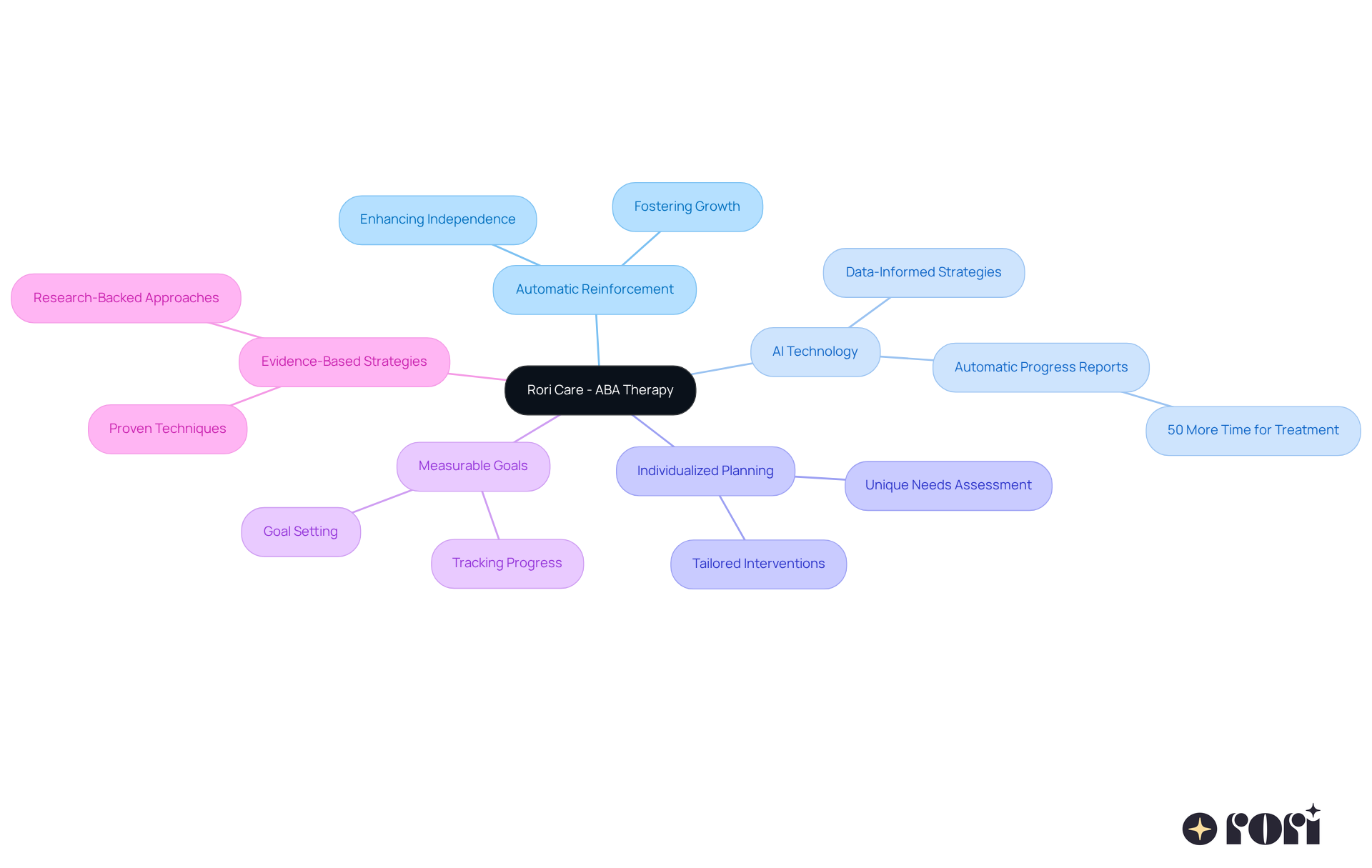
At Rori Care, we’re excited to be at the forefront of integrating strategies into ABA support, where to ! 🌟 We know that navigating the world of can be challenging, and that’s why we’re here to help. By using and data-informed strategies, we customize interventions that are tailored to meet the unique needs of each young person. This not only enhances the overall effectiveness of ABA therapy but also makes the journey smoother for everyone involved.
Imagine this: our innovative use of AI allows us to create automatic progress reports, which means more time—50% more, in fact—for treating young patients. This groundbreaking approach ensures that children receive the most relevant and impactful treatment, as automatic reinforcement is usually related to . Plus, our , measurable goals, and evidence-based strategies empower caregivers with the tools they need to support their children’s behavioral goals effectively.
We believe that every child deserves the best, and we’re here to walk alongside you in this journey. Let’s explore this together! If you have any questions or thoughts, we’d love to hear from you. Your experiences matter, and together, we can !
Automatic Reinforcement: Defining the Concept and Its Importance
An action that leads to a positive outcome without needing social interaction is a scenario where . This self-reinforcing mechanism is super important in because it helps build . By understanding how automatic reinforcement is usually related to specific actions, therapists can create . This not only enhances the learning experience for children with autism but also promotes their independence.
For instance, think about actions like humming or playing with textured items. These can bring intrinsic satisfaction, which strengthens the action itself! At Rori Care, the conduct care engine performs and skills, generating automatic progress reports for clinicians. This helps in tracking these actions effectively.
By focusing on these internal reinforcement systems, we can tailor strategies that encourage . This approach enables meaningful progress in various environments. As parents, you can support your child’s development by observing these actions and chatting about them with their therapists. Together, they can create with and , ensuring that interventions are customized to foster positive growth. Let’s explore this journey together!

Sensory Stimulation Behaviors: Recognizing Automatic Reinforcement in Action
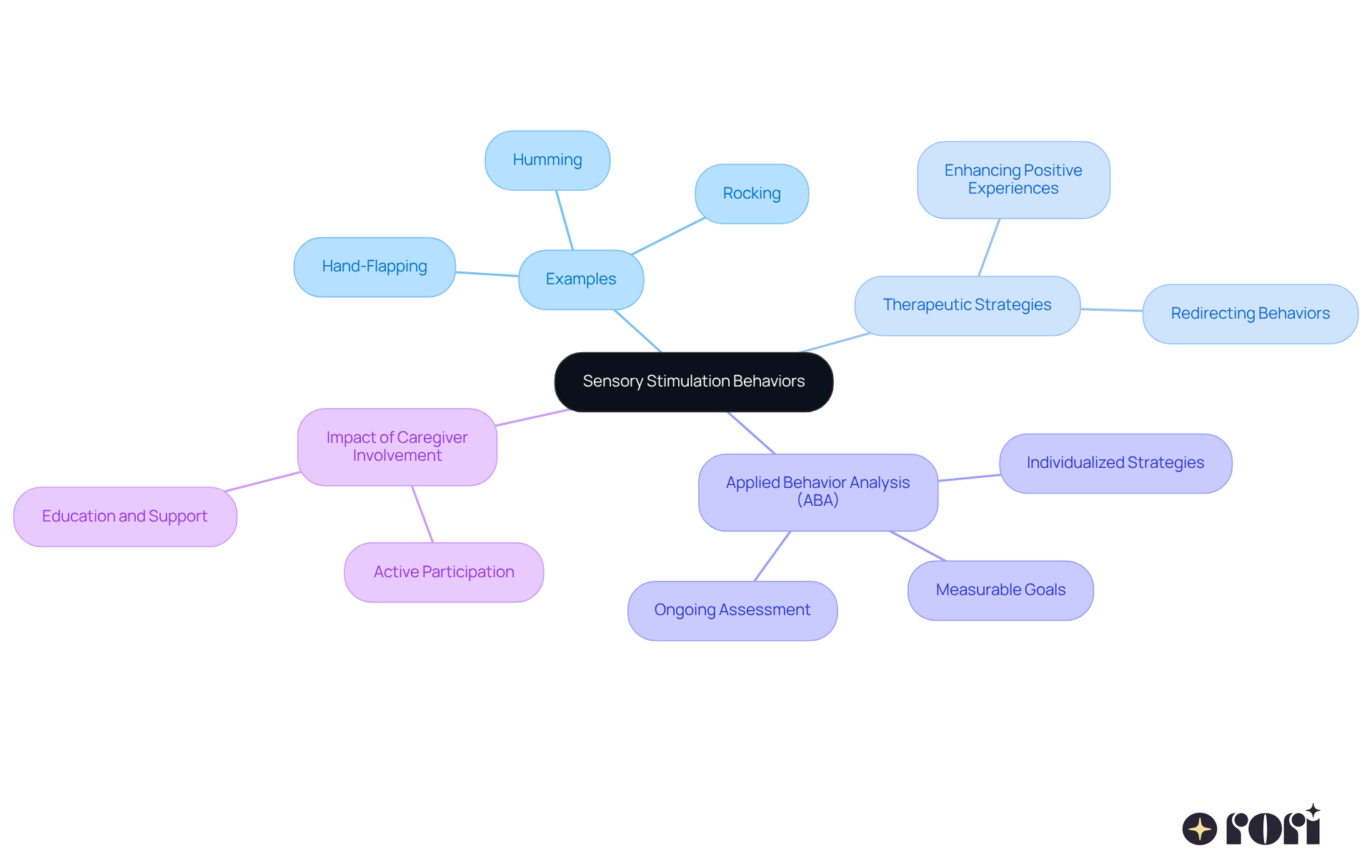
Common examples of include hand-flapping, rocking, or humming. These actions often provide sensory pleasure, which . By recognizing these behaviors, therapists can develop that enhance or gently redirect them towards more functional alternatives.
This approach is a crucial part of , which focuses on each individual and adapts to their unique needs. With proven effectiveness, especially in in individuals with autism, emphasizes .
By applying these evidence-based strategies, therapists can significantly enhance the overall behavior and engagement of the young individual. Let’s explore this together! We’re here to help you every step of the way!
Tailored Interventions: Customizing ABA Therapy for Individual Needs
are so important for crafting individualized treatment plans that truly meet the unique needs of each young person. At Rori Care, our clinical leadership team is made up of skilled and empathetic professionals who celebrate neurodiversity and work tirelessly every day to support young individuals in reaching their goals. By conducting thorough assessments that take into account sensory preferences, communication styles, and behavioral triggers, our therapists can create interventions that resonate deeply with each individual. This level of personalization not only but also fosters a sense of ownership in the learner’s educational journey.
Research shows that personalized methods can significantly enhance outcomes, with ABA interventions achieving a in addressing autism spectrum disorder (ASD). Additionally, data reveals that 66% of children referred for ABA support start treatment and remain in services for 12 months, highlighting the in keeping families engaged. Clinicians stress that a , which considers each child’s strengths and challenges, is vital for . Ralph Moller notes that such a plan addresses the distinct needs and preferences of the individual, enabling tailored approaches that are most effective for their specific challenges.
Success stories are everywhere, showcasing how customized interventions have led to remarkable improvements in communication, social skills, and overall behavior in individuals with autism. By focusing on the unique requirements of each child, ABA therapy can unlock their potential and inspire lasting positive change. However, it’s important to recognize that fewer than half (46%) of children continue with treatment for 24 months, emphasizing the need for ongoing evaluation and adjustment of care strategies.
Moreover, , particularly for African American and Latino youth, underscore the critical role of tailored care in ensuring that all families can benefit from effective solutions. Let’s explore this together and see how we can make a difference!

Monitoring Progress: Adjusting ABA Strategies for Optimal Outcomes
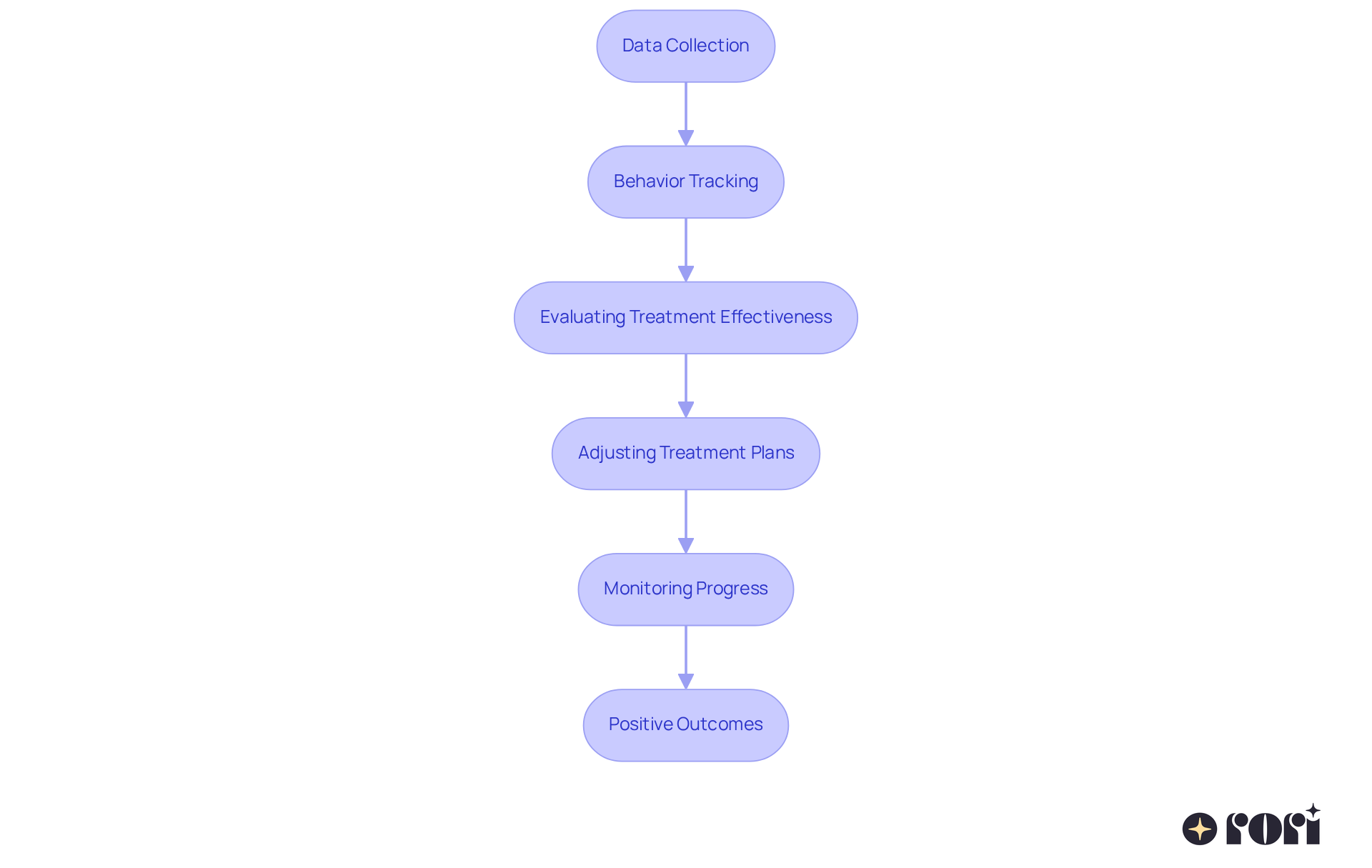
Monitoring progress in ABA treatment is all about keeping track of how things are going. By collecting and , therapists can see what’s working and what might need a little tweak. This ongoing check-in helps ensure that therapy stays in tune with your child’s changing needs, leading to the best possible outcomes.
Did you know that when recommended hours are fully implemented with , about 90% of children show significant progress? That’s a pretty encouraging statistic! Specific types of data, like frequency and duration, are super important in making these necessary adjustments.
As Yitz Diena puts it, “Regular into how effective measures are.” This really highlights how crucial continuous evaluation is in the process. Plus, using the gives us a structured way to , ensuring strategies are tailored to promote positive behavioral changes.
A qualified analyst creates and evidence-based strategies. This approach emphasizes the need for to meet your child’s unique needs. And don’t forget, the care engine updates intervention and skill acquisition plans after each session based on what’s been achieved, making the treatment even more adaptable.
Let’s explore this together! Your involvement can in your child’s progress.

Parental Involvement: Enhancing ABA Therapy Through Family Engagement
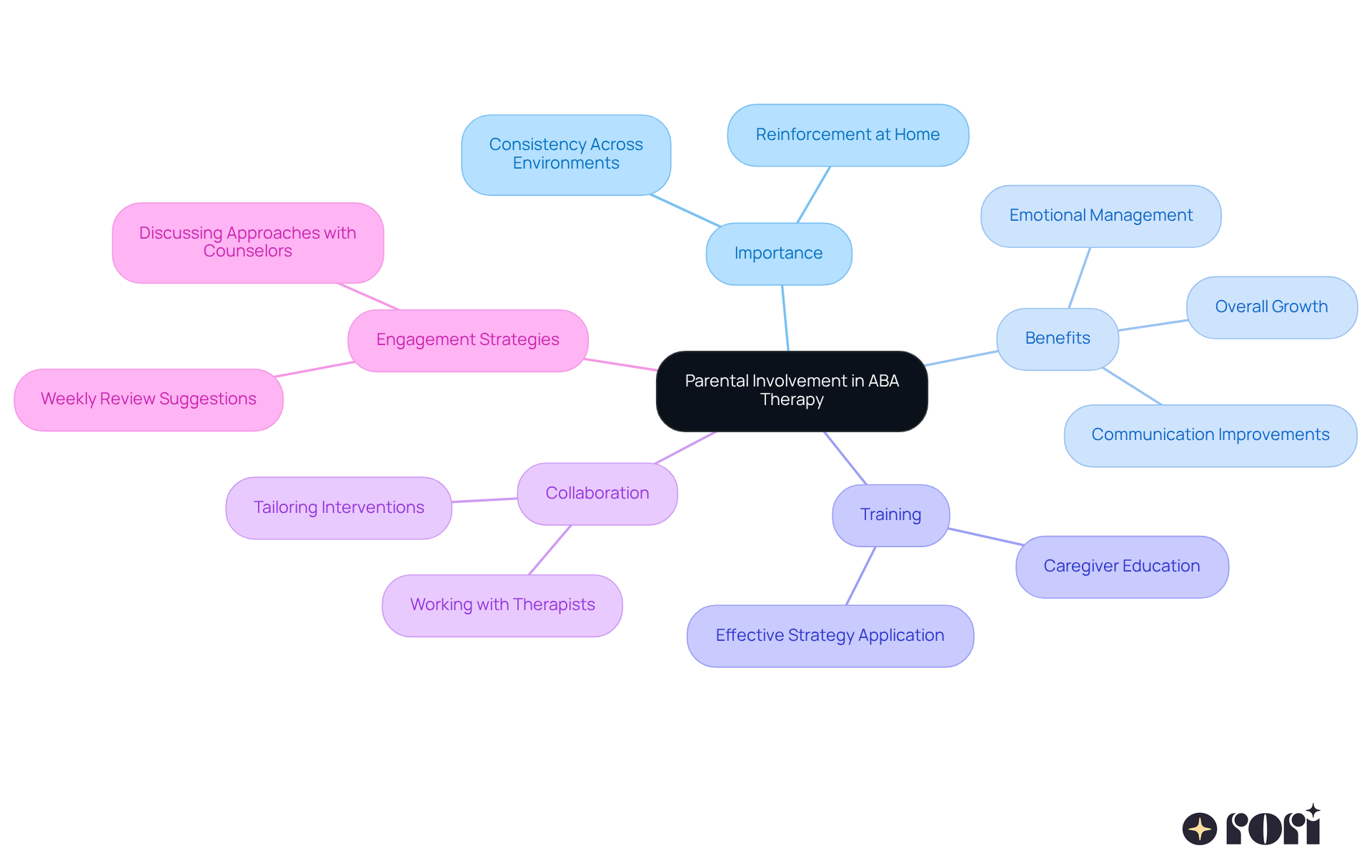
Parental involvement in is so important for achieving the ! When parents actively join in the treatment process, they help at home. This consistency is key to ensuring that skills generalize across different environments. Research shows that not only boosts the effectiveness of interventions but also creates a that greatly supports a young person’s development.
Think about it: when parents receive , they can apply strategies effectively, making it easier to weave treatment into daily routines. This cooperative approach is essential! Studies indicate that individuals whose families are engaged in their therapy often show , emotional management, and overall growth.
Plus, gives families a deeper understanding of ABA principles and strategies. This knowledge empowers them to make informed decisions that positively impact their child’s progress. It can also reduce stress and improve family dynamics, helping caregivers feel more confident in their roles.
By working closely with therapists and applying what they learn through caregiver education, families can to meet their . This customization optimizes the potential for progress and nurtures a supportive environment that enhances learning.
To boost your engagement, why not set aside some time each week to review treatment objectives with your child? Discussing approaches with their counselor can be a great way to stay connected and involved. Let’s explore this together!
Functional Assessments: Identifying Behavior Triggers in ABA Therapy
are such important tools in ABA therapy! They’re designed to uncover the reasons behind certain behaviors. By looking at what happens before, during, and after actions, therapists can pinpoint the triggers that lead to challenging behaviors. Understanding these elements helps in crafting , which ultimately leads to more effective .
For instance, case studies show that families who engage in see better outcomes for their children. When young people feel acknowledged and supported, therapists can . Plus, recognizing how play a role in these assessments can really boost the effectiveness of treatment plans. Positive family interactions are key to therapeutic success!
Using structured communication techniques not only helps in identifying behavior triggers but also strengthens family relationships. This ensures that strategies are effective and resonate with the child’s unique situation, paving the way for lasting behavioral improvements. Let’s explore this together!

Behavioral Intervention Strategies: Tools for Effective ABA Implementation
In Applied Behavior Analysis (ABA) therapy, , such as , prompting, and modeling, demonstrate that these techniques. These methods are designed to encourage the behaviors we want to see, as automatic reinforcement is usually related to gently reducing the challenging ones. For instance, positive reinforcement is a key player in ABA, where rewarding desirable behaviors helps to increase their frequency. Research shows that long-term, comprehensive ABA interventions can lead to positive medium to large effects on various developmental aspects, which automatic reinforcement is usually related to, in youth with autism. Isn’t that encouraging?
At Rori Care, we believe in ! Each behavioral plan we create is tailor-made to fit the unique needs, strengths, challenges, and goals of your child. By setting clear, measurable objectives for change and skill development, we establish a transparent benchmark for progress. Our use grounded in the latest research, ensuring we implement the most effective techniques for positive change.
By combining these tools, our therapists create a structured environment that is usually related to automatic reinforcement, fostering learning and skill development. In ABA treatment, rewards such as verbal praise, tokens, or tangible items are often used, and automatic reinforcement is usually related to reinforcing those . This approach not only boosts engagement but also encourages among children, which is so important for their growth!
And here’s something neat: during clinical sessions allows our clinical team to keep track of progress without interrupting the therapy. All data is securely stored, anonymized, and deleted after analysis, ensuring confidentiality while providing valuable insights for and modification of intervention plans. This ongoing evaluation is crucial for adapting strategies to meet the evolving needs of each individual. Plus, when we teach caregivers about ABA principles, it enhances their ability to support their child’s development, leading to even better behavioral outcomes. As a result, integrating these strategies helps children with autism thrive in their environments. Let’s explore this journey together!

Data Collection: Leveraging Evidence for Effective ABA Therapy
Collecting is all about keeping track of behaviors in a systematic way. This helps us see how well things are going and make smart choices about treatment. When therapists use this information, they can figure out what’s working, spot any trends, and tweak the to fit each child’s needs perfectly.
Our behavior care engine is pretty cool! It updates after every session based on the progress made. This means therapy is tailored to each child’s unique journey. And here’s something exciting: when the suggested hours are fully implemented with active caregiver involvement, around 90% of kids show ! 🌟
This really maximizes the chances for positive outcomes. Plus, we take privacy seriously! We follow by anonymizing and securely handling all data. Parents can even ask for their child’s data to be deleted once services are complete, giving you peace of mind.
We’re here to help you every step of the way! If you have questions or want to know more, don’t hesitate to reach out. Let’s explore this together!
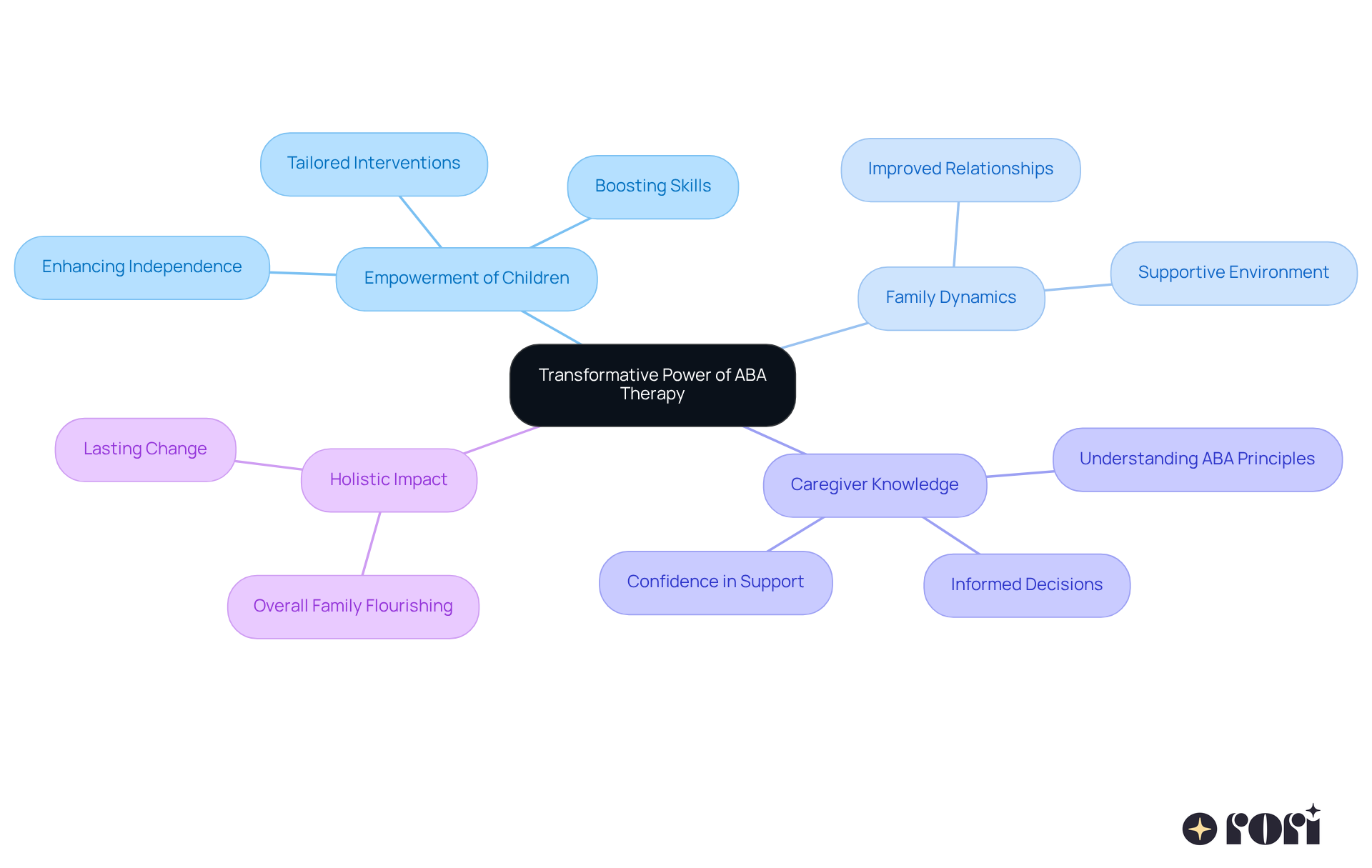
Transformative Power of ABA Therapy: Empowering Children and Families
The transformative potential of ABA treatment shines through its ability to empower kids with autism and their families. By providing , ongoing support, and encouraging , not only boosts children’s skills and independence but also enhances .
It’s essential to equip caregivers with a deeper and strategies. This knowledge helps them make informed decisions that positively impact their child’s progress, leading to . As caregivers gain confidence in their ability to support their child, the overall family dynamic flourishes, giving every child the chance to thrive.
This holistic approach ensures a lasting impact on their lives and the lives of their families. Let’s explore this journey together!
Conclusion
Exploring automatic reinforcement in ABA therapy truly shines a light on how essential it is for encouraging positive behavior and skill development. When practitioners understand and utilize this self-reinforcing mechanism, they can craft targeted interventions that not only enhance learning experiences but also foster independence among children with autism. Plus, integrating technology, personalized strategies, and active parental involvement makes these interventions even more effective, ensuring each child gets the support they need to thrive.
Key insights from the article remind us how vital it is to customize ABA therapy to meet each child’s unique needs. Tailored interventions, ongoing progress monitoring, and active family engagement are crucial. Evidence shows that these personalized approaches can lead to significant improvements in communication, social skills, and overall behavior. And let’s not forget the importance of data collection and functional assessments—adapting strategies to each child’s evolving needs maximizes the potential for positive outcomes.
The transformative power of ABA therapy goes beyond just individual progress; it enriches family dynamics and empowers caregivers with the knowledge and tools to support their child’s development effectively. By nurturing collaboration between therapists and families, we create a supportive environment that fosters growth and independence. Engaging in this journey together not only enhances the lives of children with autism but also inspires lasting change within their families and communities.
Let’s explore this together! Remember, we’re here to help you every step of the way!
Frequently Asked Questions
What is Rori Care’s approach to ABA therapy?
Rori Care integrates automatic reinforcement strategies into ABA therapy, utilizing advanced technology and data-informed strategies to customize interventions for each young person’s unique needs.
How does Rori Care enhance the effectiveness of ABA therapy?
By employing innovative AI technology to create automatic progress reports, Rori Care increases the time available for treating young patients by 50%, ensuring that children receive relevant and impactful treatment.
What is automatic reinforcement in the context of ABA therapy?
Automatic reinforcement refers to actions that lead to positive outcomes without needing social interaction, helping to build positive habits and skills in children with autism.
Can you provide examples of behaviors related to automatic reinforcement?
Common examples include humming, hand-flapping, and rocking, which often provide sensory pleasure and intrinsic satisfaction.
How does Rori Care track the effectiveness of interventions?
Rori Care uses a conduct care engine to perform functional conduct analysis for specific actions and skills, generating automatic progress reports to track these actions effectively.
What role do parents play in supporting their child’s development in ABA therapy?
Parents can support their child’s development by observing sensory stimulation behaviors and discussing them with therapists to create personalized plans with clear objectives and evidence-based methods.
Why is recognizing sensory stimulation behaviors important in ABA therapy?
Recognizing these behaviors allows therapists to develop individualized strategies that enhance positive sensory experiences or gently redirect them towards more functional alternatives, promoting overall engagement and learning.
What outcomes can be expected from using evidence-based strategies in ABA therapy?
Evidence-based strategies can significantly enhance behavior and engagement, particularly in improving learning, verbal, and social skills in individuals with autism.