

Introduction
Understanding and managing anxiety in children, especially those on the Autism Spectrum, is a real challenge for many parents. Did you know that nearly 40% of these kids experience stress disorders? That’s why finding effective strategies is so important! In this article, we’ll explore the transformative power of Applied Behavior Analysis (ABA) techniques. These practical tools can help your child navigate public settings with confidence.
But how can you, as a caregiver, effectively implement these strategies? It’s not just about reducing anxiety; it’s also about fostering independence and resilience in your child. Let’s dive in together and discover how we can support our little ones on this journey!
Understand ABA Techniques and Their Role in Reducing Anxiety
Applied Behavior Analysis (ABA) is a therapeutic method that uses learning and behavior principles to help kids develop essential skills while easing anxiety-related challenges. Did you know that around 40% of kids with Autism Spectrum Disorder (ASD) experience stress disorders? That’s why effective interventions are so important!
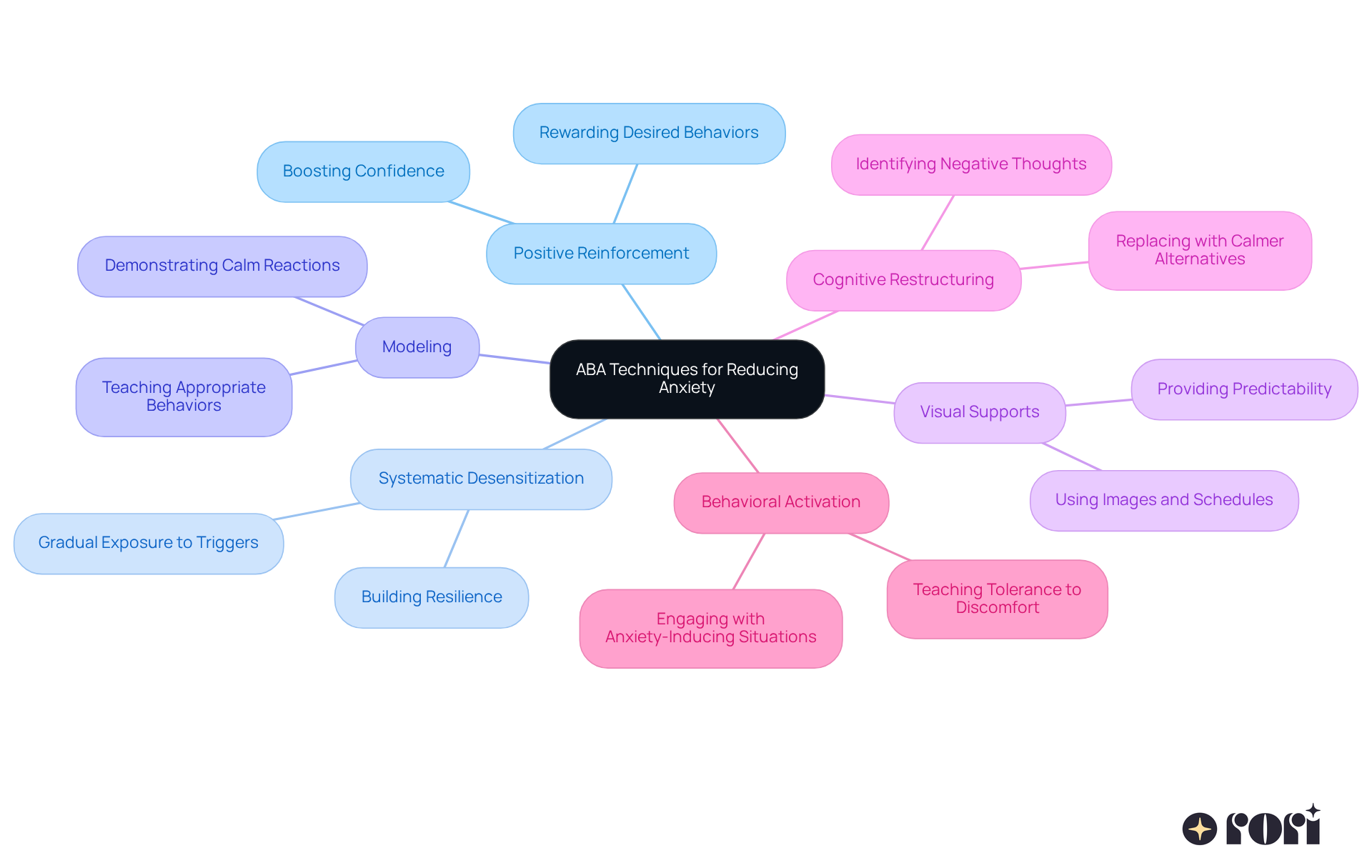
When it comes to managing anxiety, in public settings focus on identifying triggers and providing young individuals with effective coping mechanisms. Here are some key strategies that can make a real difference:
- Positive Reinforcement: This means rewarding desired behaviors, which encourages them to happen again and helps kids feel valued. For example, if a child successfully engages in a social interaction, praising or rewarding them can boost their confidence for future situations.
- Systematic Desensitization: This technique gradually exposes kids to anxiety-inducing scenarios in a controlled way, helping them reduce fear responses over time. Imagine a child who fears crowded places starting with a visit to a less crowded area before moving on to busier environments.
- Modeling: Demonstrating appropriate behaviors in public settings serves as a great reference for kids. Parents or therapists can show calm reactions to anxiety-inducing situations, teaching children how to handle these challenges effectively.
- Visual Supports: Using images, schedules, or emotion charts prepares kids for what to expect in different settings, offering predictability that can ease stress. For instance, a visual schedule outlining the steps of a grocery store trip can help a child feel more secure and less anxious.
- Cognitive Restructuring: This helps children identify and replace negative thoughts with calmer alternatives, boosting their self-awareness and coping skills.
- Behavioral Activation: This strategy encourages kids to engage with situations that provoke worry, teaching them to endure discomfort and lessen it through exposure.
Research shows that the ABA techniques for reducing anxiety in public settings can lead to up to an 80% decrease in stress symptoms among participants! That’s a huge improvement in kids’ ability to handle stress, making outings more enjoyable for both them and their parents. By implementing these strategies, parents can create supportive environments that empower their children to thrive in public settings through ABA techniques for reducing anxiety in public settings.
And let’s not forget, caregiver involvement is crucial! When caregivers reinforce these techniques, it ensures consistency and effectiveness in managing anxiety. Through caregiver education, parents gain a deeper understanding of ABA principles, enabling informed decision-making that positively influences their child’s progress and overall behavioral outcomes.
Let’s explore this together! We’re here to help you every step of the way!
Prepare Your Child for Public Settings: Key Strategies
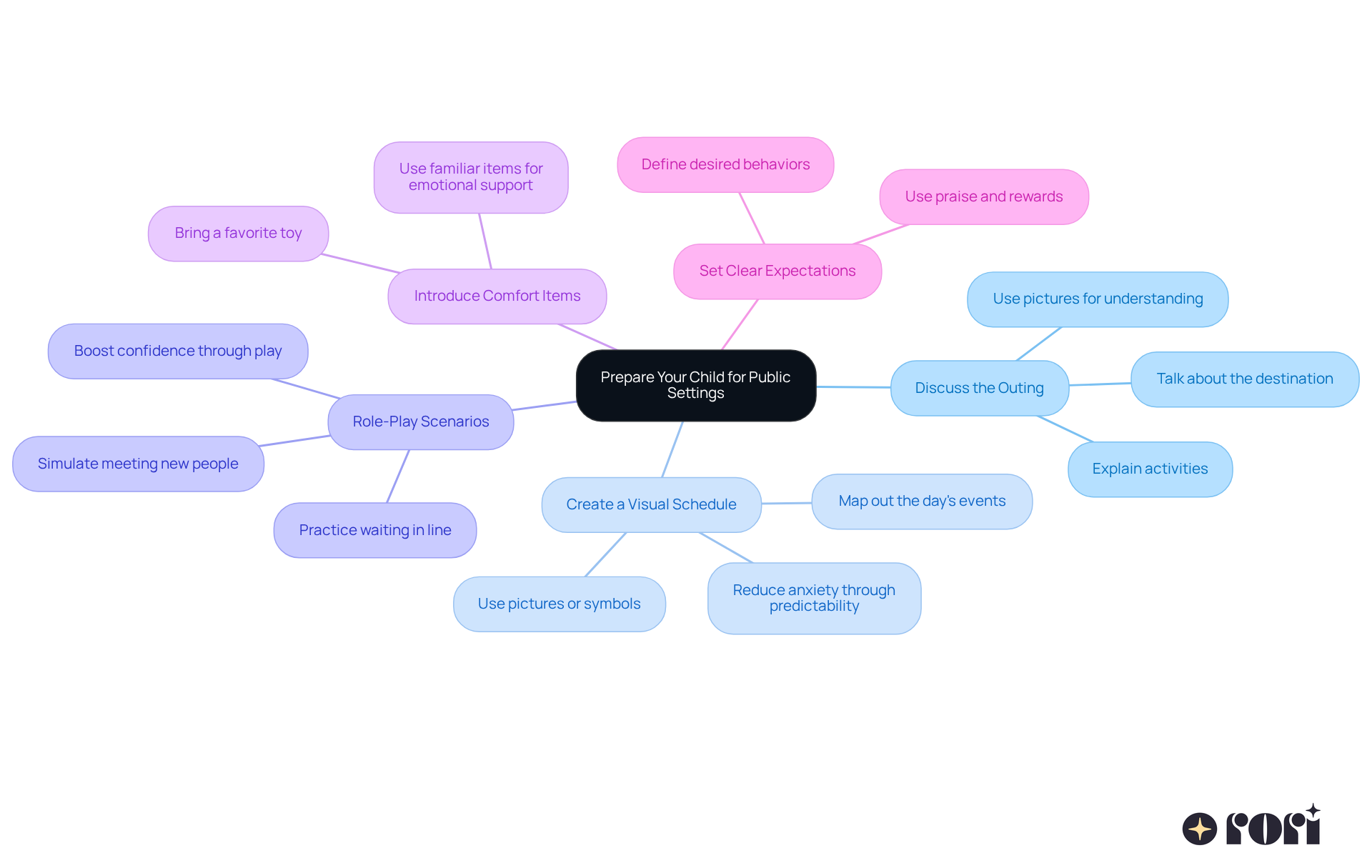
Discuss the Outing: Let’s chat about the outing! Talk to your little one about where you’re going, what fun activities you’ll do, and who they might meet. Using simple language and some pictures can really help them understand and feel more at ease.
- Create a Visual Schedule: How about making a visual schedule? You can use to map out the day’s events. This way, your child can see what’s coming next, which helps reduce anxiety and brings a sense of predictability through ABA techniques for reducing anxiety in public settings.
- Role-Play Scenarios: Role-playing can be a game-changer! Practice different situations together, like waiting in line or meeting new people. This fun exercise can boost their confidence and ease any worries they might have.
- Introduce Comfort Items: Encourage your child to bring along a favorite toy or comfort item. Familiar things can provide emotional support and make outings feel a bit safer.
- Set Clear Expectations: It’s important to set clear expectations for what you’d like them to do in public. A little praise or a small reward can go a long way in encouraging positive behavior.
Research shows that ABA techniques for reducing anxiety in public settings, like visual schedules, are especially helpful for kids dealing with stress. They create a [structured environment that reduces unpredictability](https://pmc.ncbi.nlm.nih.gov/articles/PMC8733412) and helps kids manage their emotions better. By consistently using these visual aids, children can learn valuable life skills like self-monitoring and decision-making, paving the way for greater independence in different settings.
Implement ABA Techniques During Outings: Practical Applications
When you’re out and about, it’s totally possible to use to help ease your child’s anxiety. Here are some friendly tips to consider:
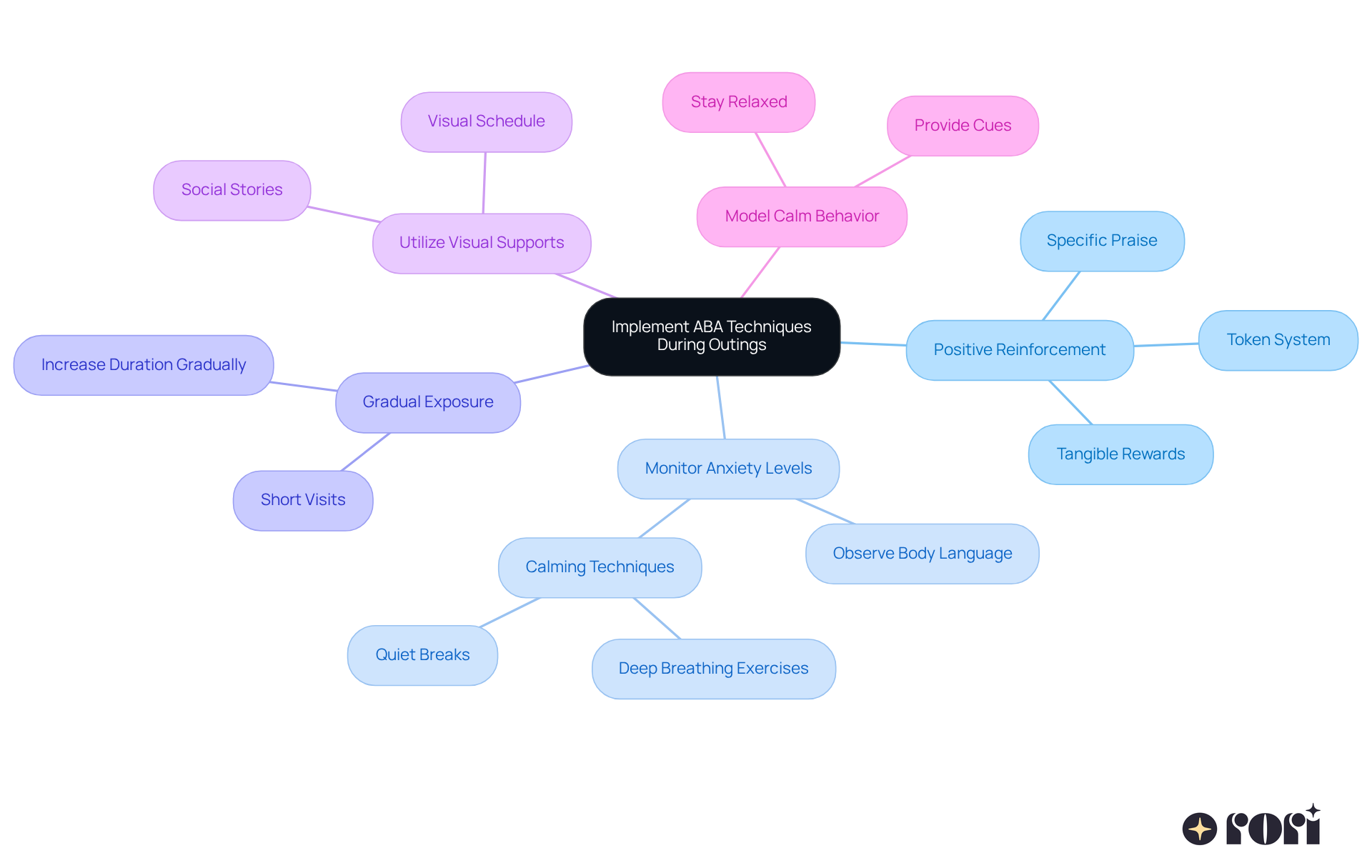
- Use Positive Reinforcement: Celebrate those moments when your child stays calm or follows directions! A fun way to do this is by using a token system. Kids can earn tokens for their positive actions, which they can later trade for rewards. It’s a great way to reinforce those good behaviors!
- Monitor Anxiety Levels: Keep an eye on your child’s body language and what they’re saying. If you notice signs of anxiety creeping in, try some calming techniques. Deep breathing exercises can work wonders, or you might take a quick break in a quiet spot to help them regain their composure.
- Gradual Exposure: If your child feels anxious about certain situations, start with shorter visits to those places. Gradually increase the time spent there as they get more comfortable. This way, they can adapt at their own pace, which is super important!
- Utilize Visual Supports: Having a visual schedule can be a game changer! Create one ahead of time to remind your child of what’s coming next. This helps them feel more secure and in control, easing those worries about the unknown.
- Model Calm Behavior: Show calmness and confidence when you’re out in public. Kids often look to their parents for cues, so if you stay relaxed, they’re likely to follow suit.
By incorporating ABA techniques for reducing anxiety in public settings into your outings, you can create a nurturing environment that helps your child build emotional resilience. Together, you can improve their ability to handle public experiences with confidence! Let’s explore this journey together!
Evaluate and Adjust: Reflecting on the Outing Experience
After each outing, it’s super important to take a moment to reflect on the experience. This helps your child grow and feel more comfortable next time:
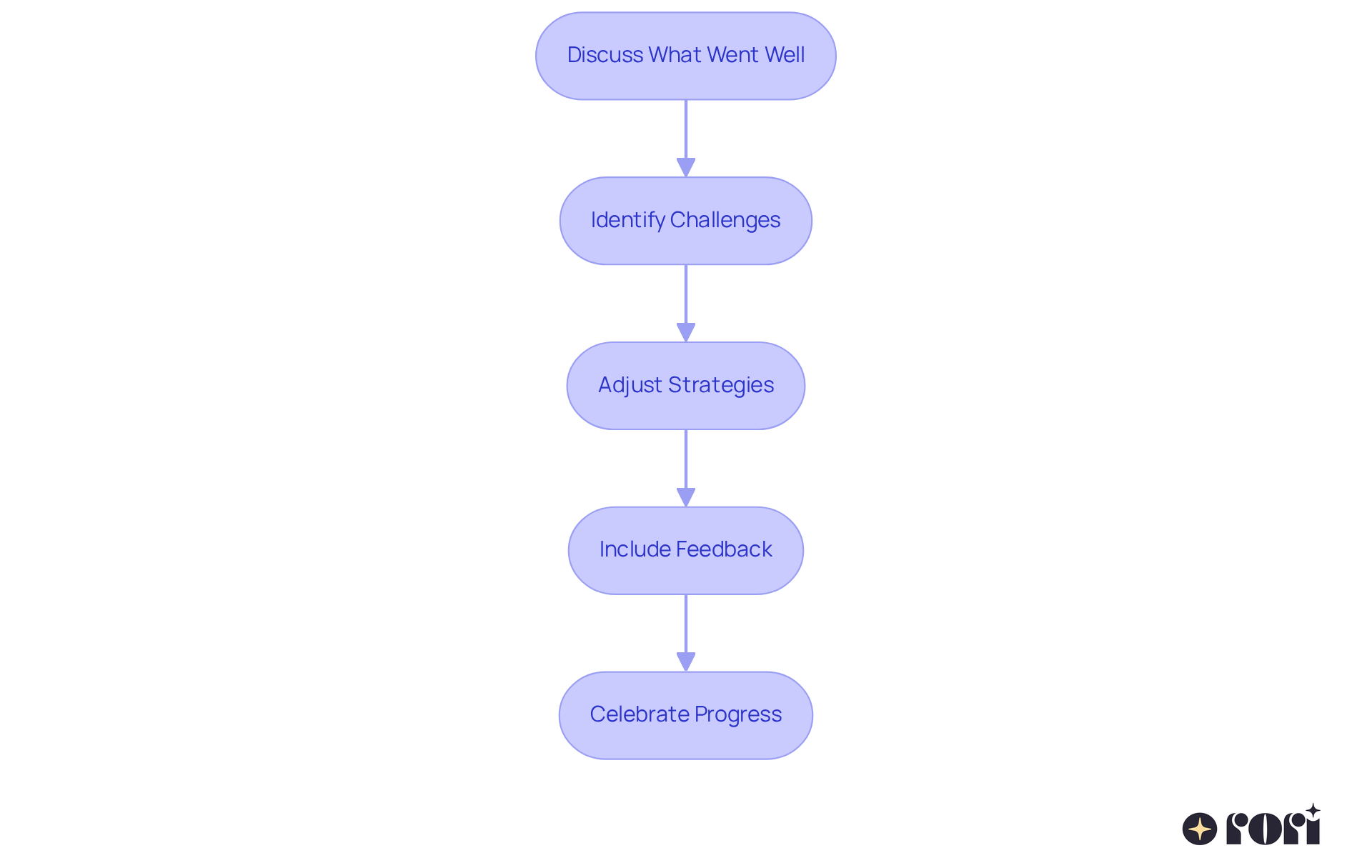
- Discuss What Went Well: Chat with your child about the fun parts of the outing. What did they enjoy? What made them feel relaxed? This not only boosts their sense of achievement but also helps them focus on the good times, which is key for making better choices in future adventures.
- Identify Challenges: Think back on any bumps in the road during the trip. Were there things that made them anxious? Recognizing these challenges is crucial for planning smoother outings in the future with the implementation of ABA techniques for reducing anxiety in public settings. Did you know that 32% of U.S. teens aged 12-17 reported feeling anxious recently? Understanding these triggers can really help improve their experiences by utilizing ABA techniques for reducing anxiety in public settings.
- Adjust Strategies: Use what you’ve learned to tweak your plans for next time. Maybe consider a different location, shorten the trip, or change how you prepare your child for the outing. As Vince Gowmon wisely says, ‘If you trust play, you won’t have to control your dependent’s development as much.’ Flexibility is key, and it empowers you to support your child better.
- Include Feedback: Encourage your child to share their feelings about the trip. Their thoughts are gold when it comes to shaping future experiences that fit their needs and preferences. Prioritizing their emotional needs is vital for effective learning and growth, reinforcing your role in guiding them.
- Celebrate Progress: Don’t forget to celebrate any improvements or wins, no matter how small! Recognizing progress not only reinforces positive behavior but also inspires your child to approach future outings with confidence, leading to even better experiences down the road.
Let’s explore this together! Your journey as a parent is filled with , and we’re here to help you every step of the way!
Conclusion
Applied Behavior Analysis (ABA) techniques provide a structured and effective way to help reduce anxiety in children, especially in public settings. By using these strategies, parents can support their kids in navigating social situations with more confidence and ease. It’s all about understanding and implementing ABA techniques to create supportive environments that empower children to manage their anxiety effectively.
Key strategies include:
- Positive reinforcement
- Systematic desensitization
- Modeling
- Visual supports
These strategies are essential for preparing children for outings. Parents can enhance their child’s experience by:
- Chatting about outings beforehand
- Creating visual schedules
- Role-playing different scenarios
Plus, taking time to reflect on each outing helps ensure that experiences are tailored to the child’s needs while celebrating their progress along the way.
Ultimately, supporting a child with anxiety in public settings is an ongoing journey. By actively engaging in ABA techniques and staying flexible, parents can nurture resilience and independence in their children. Embracing this journey together not only strengthens the parent-child bond but also cultivates a sense of empowerment and confidence, paving the way for more enjoyable and fulfilling public experiences. Let’s explore this together! We’re here to help you every step of the way!
Frequently Asked Questions
What is Applied Behavior Analysis (ABA)?
Applied Behavior Analysis (ABA) is a therapeutic method that utilizes learning and behavior principles to help children develop essential skills while addressing anxiety-related challenges.
How common are anxiety disorders among children with Autism Spectrum Disorder (ASD)?
Approximately 40% of children with Autism Spectrum Disorder (ASD) experience stress disorders, highlighting the importance of effective interventions.
What are some ABA techniques used to reduce anxiety in children?
Key ABA techniques for reducing anxiety include Positive Reinforcement, Systematic Desensitization, Modeling, Visual Supports, Cognitive Restructuring, and Behavioral Activation.
What is Positive Reinforcement in ABA?
Positive Reinforcement involves rewarding desired behaviors to encourage their recurrence, helping children feel valued and boosting their confidence in social situations.
How does Systematic Desensitization work?
Systematic Desensitization gradually exposes children to anxiety-inducing scenarios in a controlled manner, helping them reduce their fear responses over time.
What role does Modeling play in reducing anxiety?
Modeling involves demonstrating appropriate behaviors in public settings, allowing children to learn how to handle anxiety-inducing situations through observed calm reactions.
How do Visual Supports help children manage anxiety?
Visual Supports, such as images, schedules, or emotion charts, prepare children for what to expect in different settings, providing predictability that can ease their stress.
What is Cognitive Restructuring?
Cognitive Restructuring helps children identify and replace negative thoughts with calmer alternatives, enhancing their self-awareness and coping skills.
What is Behavioral Activation?
Behavioral Activation encourages children to engage with situations that provoke worry, teaching them to tolerate discomfort and reduce anxiety through exposure.
What impact can ABA techniques have on children’s stress symptoms?
Research indicates that ABA techniques for reducing anxiety in public settings can lead to up to an 80% decrease in stress symptoms among participants.
Why is caregiver involvement important in ABA techniques?
Caregiver involvement is crucial as it ensures consistency and effectiveness in managing anxiety. Educating caregivers on ABA principles allows them to support their child’s progress and overall behavioral outcomes.