
Introduction
Reward systems are super important in Applied Behavior Analysis (ABA) therapy. They provide structured ways to encourage positive behaviors in children with autism. By understanding and using these systems, parents can motivate their kids while also helping them develop essential skills like communication and social interaction.
But what happens when these systems don’t work as expected? 🤔 This article takes a closer look at what makes reward systems effective. We’ll explore how to measure progress and adapt strategies to ensure that growth and development in ABA therapy continue smoothly. Let’s dive in together!
Understand Reward Systems in ABA Therapy
Reward approaches in ABA therapy are organized techniques that use positive reinforcement to encourage preferred actions in kids with autism. These methods can take various forms, like , sticker charts, or point systems, where kids earn rewards for showing specific behaviors. Research shows that prompt reinforcement really boosts the connection between actions and rewards, helping kids understand the benefits of their behavior. For instance, kids involved in structured reinforcement strategies often show significant improvements in skills and behaviors, with studies indicating that over 89% of participants see positive results from ABA therapy.
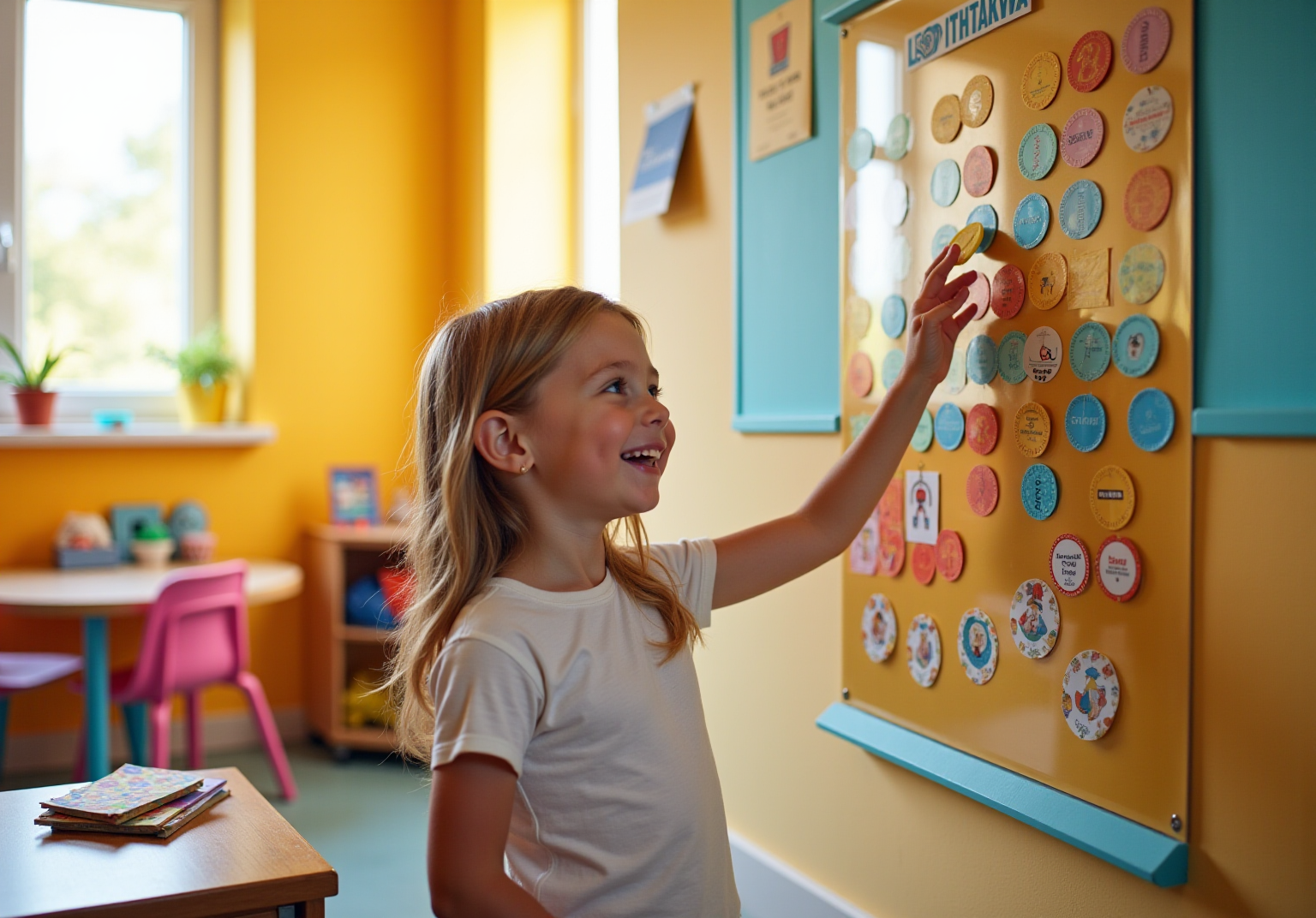
By setting clear expectations and consistent reinforcement, parents can create a nurturing environment that fosters learning and growth. Measuring progress with reward systems in ABA therapy not only motivates kids but also helps them develop essential skills, like communication and social interaction. For example, measuring progress with reward systems in ABA therapy, like a token board, helps kids visualize their progress and reinforces their understanding of how their actions lead to rewards. Grasping these principles empowers parents to effectively support their child’s development through ABA therapy, ensuring that the reinforcement strategies are tailored to their child’s unique needs and preferences. Let’s explore this together!

Identify Components of Effective Reward Systems
Creating an effective reward system can feel like a challenge for many parents, but it doesn’t have to be overwhelming! Let’s break it down into a few essential components that can really make a difference:
- Clear Target Behaviors: Start by pinpointing specific behaviors you want to encourage, like finishing homework or following instructions. When kids know exactly what’s expected of them, it’s easier for them to meet those goals.
- Inspiring Incentives: Think about what truly excites your child. Whether it’s a fun activity, a special privilege, or a small gift, to their interests can really boost their motivation.
- Prompt Reinforcement: Timing is everything! Offering rewards right after your child exhibits the desired behavior helps them connect the dots between their actions and the rewards. This quick feedback reinforces those positive habits.
- Consistency: It’s crucial to apply your reward system consistently. This builds trust and sets clear expectations. Plus, being consistent across different environments, like home and school, helps kids generalize what they’ve learned.
- Adaptability: Kids change, and so should your approach! Be ready to tweak your incentive system based on how your child responds. Keeping things fresh can maintain their interest and enthusiasm.
By focusing on these elements, you can create a reward system that not only encourages positive behavior but also supports learning. And let’s not forget the importance of caregiver education! When caregivers understand ABA principles and strategies, they’re better equipped to provide the right support at home. This not only complements professional interventions but also promotes consistency, leading to better behavioral outcomes.
As the Nebraska Autism Spectrum Disorders Network points out, well-designed reward systems are essential for measuring progress with reward systems in ABA therapy, transforming those small daily wins into long-term progress. So, let’s explore this together! We’re here to help you every step of the way!

Create and Implement Reinforcement Strategies
Creating effective reinforcement strategies for your child can feel like a big task, but it doesn’t have to be! Let’s break it down into some simple steps that can make a real difference.
- Define Target Actions: Start by clearly outlining the specific actions you want to reinforce. For example, if you’re aiming to boost social skills, think about actions like starting a conversation or sharing toys. Research shows that being specific about what you want to see is key to effective reinforcement.
- Choose an Incentive Structure: Pick a reward system that aligns with your child’s interests. Maybe a token economy would work well, where they earn tokens for positive actions that can be traded for bigger rewards. Studies indicate that different incentives can help keep motivation high, with ABA therapy showing an impressive success rate of over 89% in improving target behaviors.
- Communicate Expectations: It’s super important to clearly explain the reward system to your child. Make sure they understand which actions will earn them rewards and what those rewards are. Using simple language and visuals can really help. As noted by AFIRM, giving prompt feedback helps kids connect their actions to outcomes, which strengthens their responses.
We are focusing on with reward systems in ABA therapy. Monitor progress by measuring progress with reward systems in ABA therapy, keeping track of your child’s development with charts or logs. This not only motivates them but also helps you spot patterns in their behavior. Celebrating small wins is a vital part of measuring progress with reward systems in ABA therapy, as it can really boost their self-esteem and persistence!
- Adjust as Needed: Regularly check in on how well the reward system is working and be ready to make changes based on your child’s responses and interests. Involving the family in therapy sessions can lead to better outcomes, as it reinforces learning in a supportive environment. Plus, educating caregivers on ABA principles can empower them to support their child’s behavioral goals effectively.
By following these steps, you can create a structured and motivating atmosphere that encourages positive actions and supports your child’s growth. Let’s explore this together!

Monitor and Adapt Reward Systems for Continuous Progress
To keep your reward system effective, it’s super important to monitor and adapt regularly. Let’s break it down:
- Track Data: Start by collecting data on your child’s behaviors and progress. This includes counting how often they show target behaviors and observing how engaged they are during activities. Registered Behavior Technicians (RBTs) are key players in gathering this data, ensuring everything is accurate and consistent. When caregivers actively participate, it helps you make that can really boost your child’s progress.
- Evaluate Effectiveness: Take a moment to assess if the current incentives are still motivating for your child. If you notice their interest waning, it might be time to introduce new incentives or tweak the existing ones to spark that enthusiasm again.
- Request Input: Have a chat with your child about the incentive framework. Ask them what they enjoy and what changes they’d like to see. This not only fosters a sense of ownership in their progress but also enhances their engagement, leading to better behavioral outcomes.
- Adjust Goals: As your child grows, it’s essential to revise the target actions and rewards to match their development and changing interests. This keeps the system relevant and engaging. At Rori Care, we update intervention and skill acquisition plans based on the progress made, allowing for treatment that’s tailored to your child’s needs.
- Celebrate Successes: Don’t forget to recognize and celebrate milestones! Acknowledging achievements is crucial for reinforcing positive behaviors and keeping motivation high. By actively monitoring and adapting your reward system, you can ensure it remains an effective method for measuring progress with reward systems in ABA therapy to support your child’s development.
Let’s explore this together! We’re here to help you every step of the way!

Conclusion
Measuring progress with reward systems in ABA therapy is such a powerful way for parents to support their child’s development! By using structured reinforcement strategies, caregivers can really encourage positive behaviors and help foster essential skills. It’s all about setting clear expectations, inspiring incentives, prompt reinforcement, consistency, and being adaptable to create a reward system that fits each child’s unique needs.
Let’s talk about some key insights!
- Tracking progress through data collection is super important, as is evaluating how effective those incentives are.
- Don’t forget to celebrate achievements! It keeps motivation high.
- Engaging children in this process and adjusting strategies as they grow ensures that the reward system stays relevant and effective.
This comprehensive approach not only enhances learning but also creates a nurturing environment that’s perfect for growth.
Ultimately, using reward systems in ABA therapy isn’t just about immediate outcomes; it’s about building a foundation for lifelong skills and behaviors. By actively participating in their child’s progress and adapting strategies as needed, parents can make a significant impact on their child’s journey. It’s all about transforming those everyday victories into lasting achievements. Embracing these principles can lead to meaningful progress and a brighter future for children with autism. Let’s explore this together!
Frequently Asked Questions
What are reward systems in ABA therapy?
Reward systems in ABA therapy are organized techniques that use positive reinforcement to encourage preferred actions in children with autism. They can include methods like token economies, sticker charts, or point systems, where children earn rewards for demonstrating specific behaviors.
How does prompt reinforcement benefit children in ABA therapy?
Prompt reinforcement enhances the connection between actions and rewards, helping children understand the benefits of their behavior. This approach leads to significant improvements in skills and behaviors, with studies showing that over 89% of participants experience positive results from ABA therapy.
How can parents create a nurturing environment using reward systems?
By setting clear expectations and providing consistent reinforcement, parents can create a nurturing environment that fosters learning and growth in their children.
What skills can children develop through measuring progress with reward systems?
Measuring progress with reward systems in ABA therapy helps children develop essential skills, such as communication and social interaction, by visualizing their progress and understanding how their actions lead to rewards.
How can parents tailor reinforcement strategies to their child’s needs?
Grasping the principles of reward systems allows parents to effectively support their child’s development through ABA therapy, ensuring that the reinforcement strategies are customized to meet their child’s unique needs and preferences.