

Introduction
In the world of autism therapy, Discrete Trial Training (DTT) stands out for its tailored approach that meets each child’s unique needs. By breaking down complex skills into bite-sized steps, DTT not only boosts learning outcomes but also nurtures independence and confidence in our young learners. But how can caregivers and therapists ensure these steps are engaging and impactful?
Let’s explore ten essential DTT steps that can truly transform the learning journey! We’ll dive into best practices that promote effective skill acquisition and pave the way for long-term success. Together, we can make a difference in the lives of these amazing children!
Rori Care – ABA Therapy: Personalized DTT Steps for Effective Learning
At Rori Care, we take a , particularly by implementing . This method breaks down complex skills into . By integrating data-driven insights and , we ensure that every to maximize learning outcomes through positive reinforcement—an essential part of DTT.
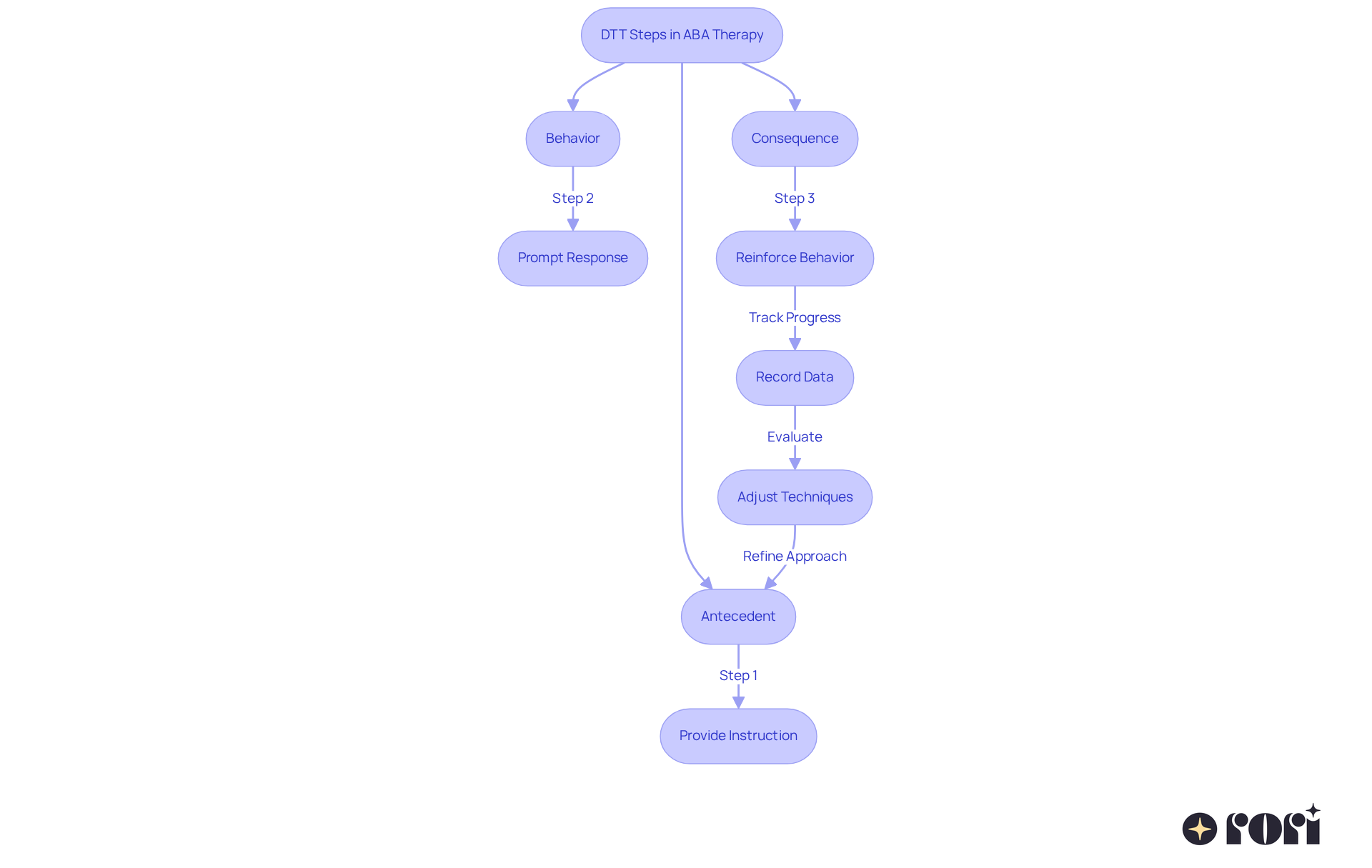
What’s even more exciting? Our boosts therapy efficiency and frees up 50% more time for direct treatment. This means more focused and effective sessions for your child! Consistency in implementing [DTT steps ABA](https://rori.care/post/how-to-implement-dra-in-aba-therapy-a-step-by-step-guide) is key, as it reinforces the skills learned. The guides each session, helping children grasp the connection between their actions and the rewards they receive.
This comprehensive approach makes DTT steps ABA a vital component of , significantly enhancing for individuals with Autism Spectrum Disorders, ADHD, behavioral challenges, and learning disabilities. Let’s explore this together and see how we can support your child’s journey!
Identify Target Skills: The First Step in Discrete Trial Training
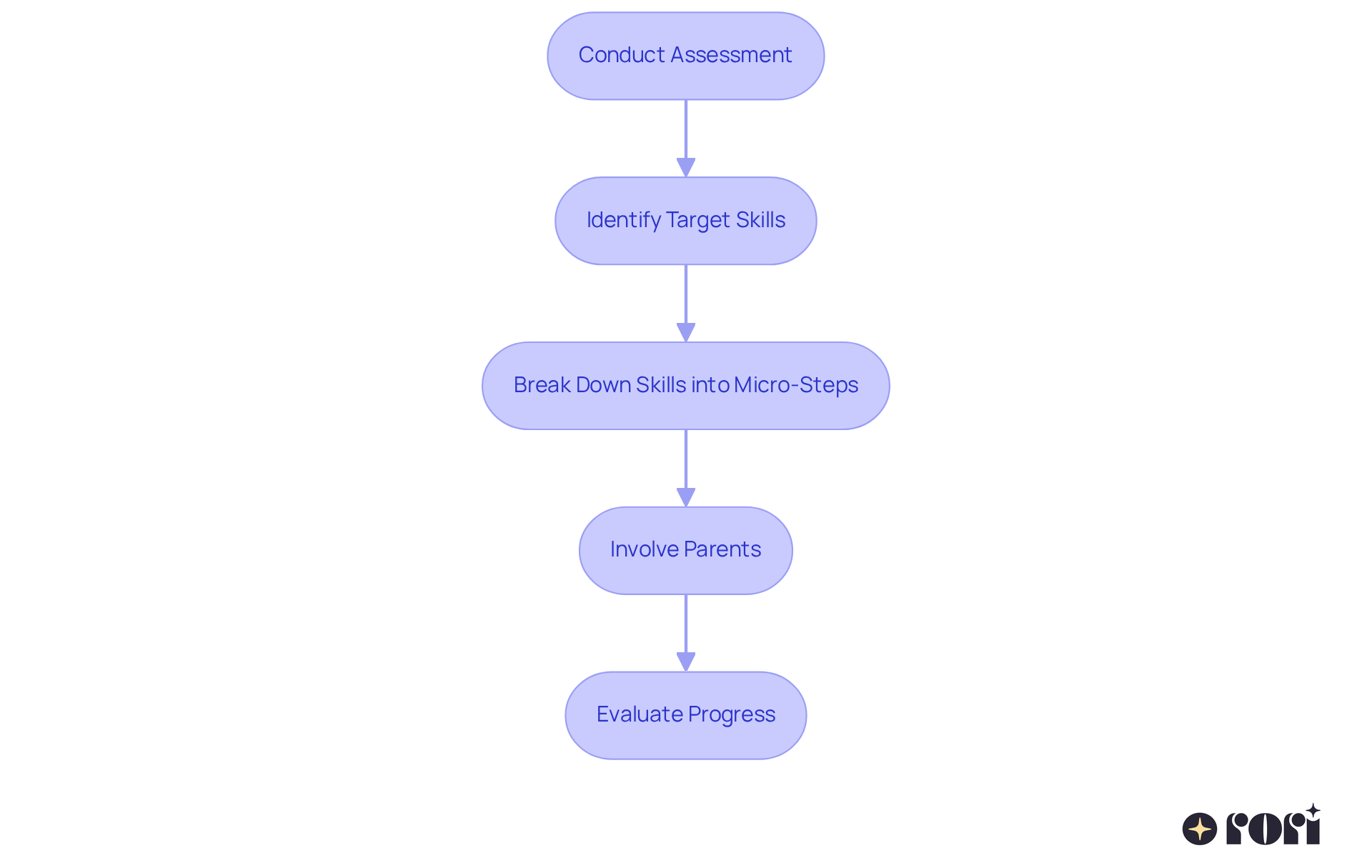
The first step in the is all about pinpointing the specific abilities or behaviors we want to teach. It starts with a to see where your child currently stands and identify areas that could use some improvement. These can cover a wide range of developmental areas, like language skills, social interactions, and daily living tasks.
By focusing on clear and , therapists can craft a that helps your child acquire new skills effectively. Research shows that breaking down complex abilities into smaller, manageable dtt steps aba—usually around 10 to 15 micro-steps—can really enhance the learning experience, especially for younger kids or those who are just starting with dtt steps aba in .
This method not only clarifies the teaching process but also allows for ongoing evaluation and adjustments to the teaching strategies based on how well the student is progressing. Involving parents during this assessment phase is crucial, as your insights can provide valuable context and support for your child’s learning journey.
When therapists and families work together consistently, it fosters a that boosts both during therapy sessions and beyond. Let’s explore this together and see how we can make the most out of these learning opportunities!
Prepare Materials and Reinforcers: Essential for DTT Success
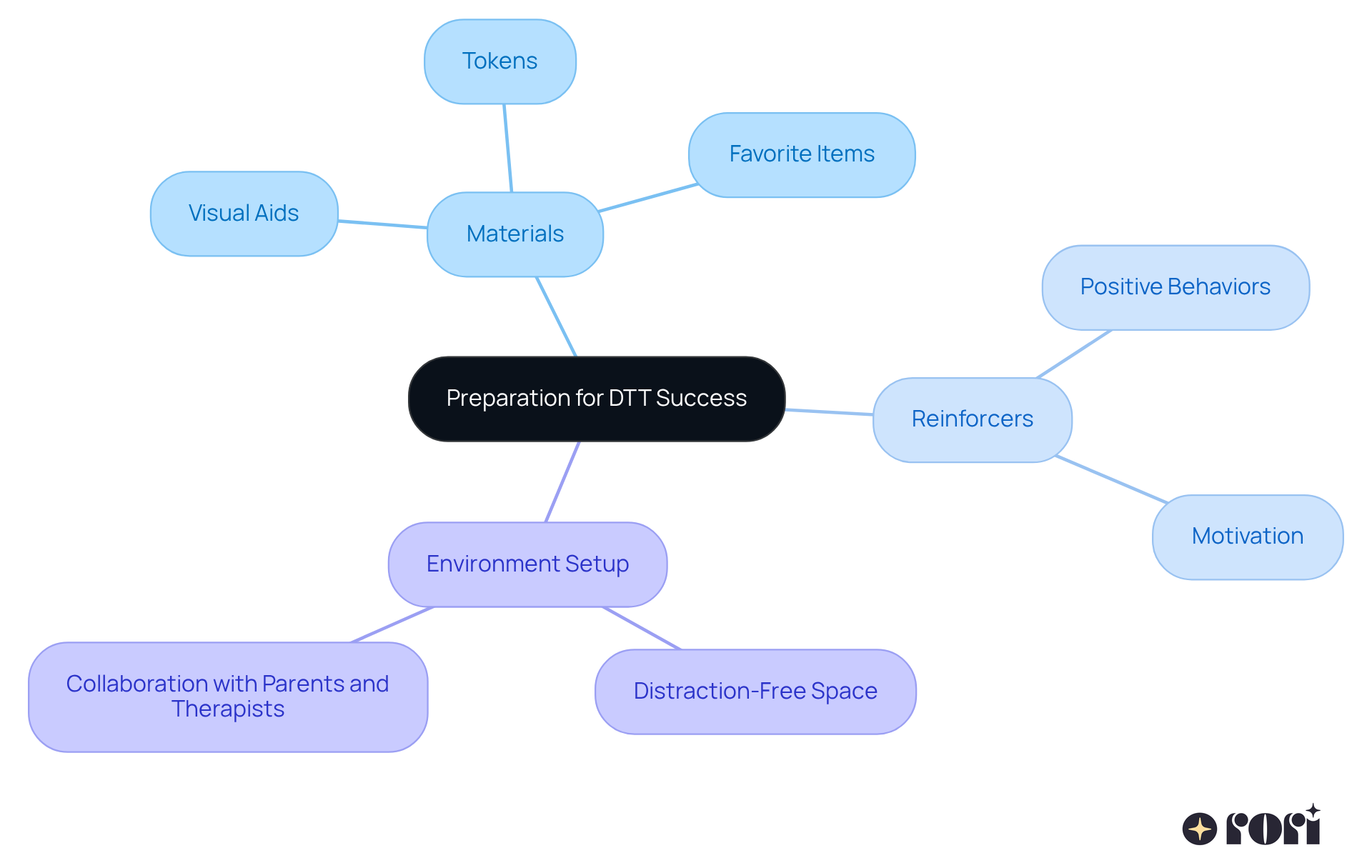
Effective preparation is crucial for the success of aba sessions! Before diving in, it’s important to gather all the —think , tokens, or those favorite items that serve as rewards. These materials should be directly tied to the skills you’re targeting and .
Research shows that visual supports can really enhance understanding during DTT, helping kids grasp concepts more effectively. Plus, a well-organized setting can cut down on distractions, allowing for focused learning. When parents and therapists team up to create these materials, it’s amazing to see how motivated and involved young individuals become, leading to .
Our updates intervention plans based on progress, ensuring that strategies stay effective. Reinforcers are key in [DTT steps aba](https://rori.care/post/10-aba-courses-online-free-for-parents-to-enhance-skills), as they promote and assist young learners in understanding which actions result in rewards. By preparing all materials thoughtfully, you can create an ideal environment that promotes skill development and boosts confidence.
To enhance your child’s experience with DTT steps aba, consider setting up a at home and using to promote understanding. Let’s explore this together! We’re here to help you every step of the way!
Deliver Clear Instructions: Guiding Children Through DTT
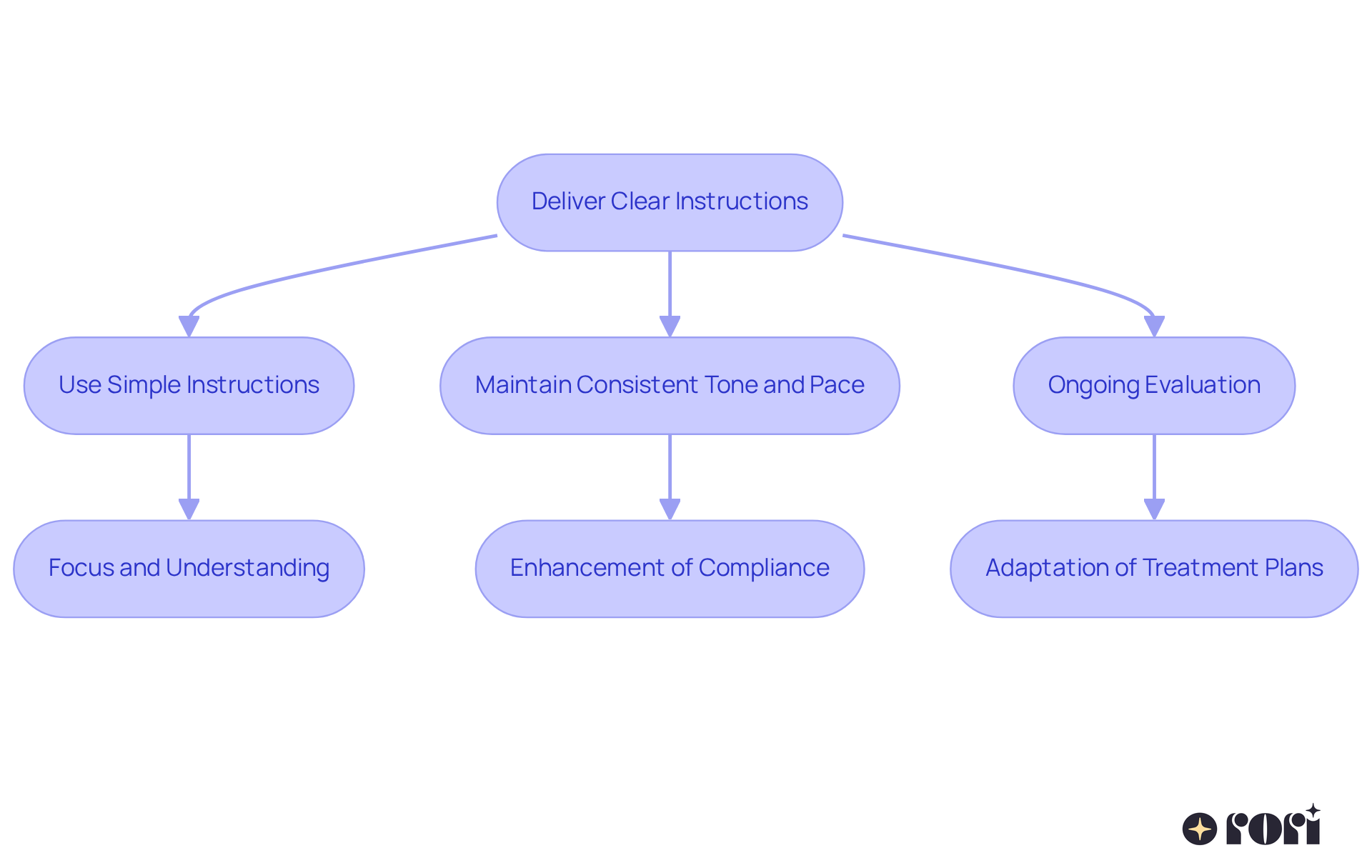
In DTT, giving clear and concise instructions is so important for effective education! Think about it: when you say something simple and direct, like ‘Point to the red block’ or ‘Say hello,’ it really helps reduce confusion. This clarity allows young learners to focus on what they need to do, which is key when planning that cater to each child’s unique needs.
And you know what? Using a can make a big difference too! It enhances understanding and compliance during training sessions. This approach fits perfectly with the principles of , which highlights how crucial is. Plus, helps adapt treatment plans based on progress reports.
By ensuring that the are straightforward and tailored, we support the overall goal of boosting in children with autism. Let’s explore this together and see how we can make a positive impact!
Reinforce Correct Responses Immediately: Boosting Learning in DTT
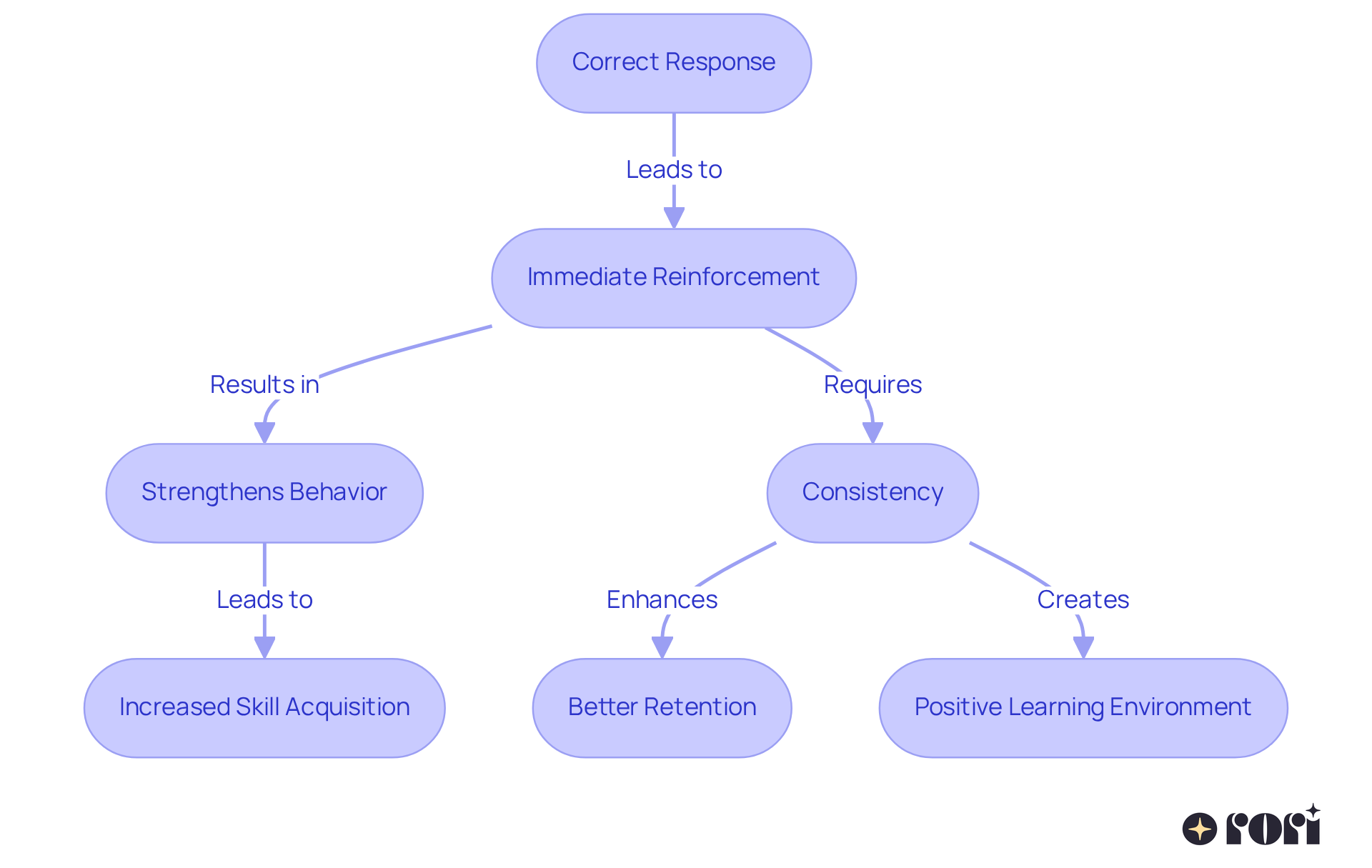
is key when a child responds correctly during sessions. Think of it as a little celebration! This reinforcement can come in many forms—like , tokens, or even access to . Research shows that when we provide immediate reinforcement, it strengthens the link between the right response and the reward, making it much more likely that the behavior will happen again.
Consistency is also super important! By sticking to these , we help kids retain what they’ve learned. Studies indicate that can lead to better . Plus, the timing of reinforcement is crucial for educational success. Immediate feedback not only boosts motivation but also helps create a .
By using these strategies, therapists can make the DTT steps ABA more engaging and effective. This approach supports the individual’s growth and helps them master new skills. Let’s explore this together and see how we can make learning a joyful experience!
Correct Incorrect Responses Promptly: Enhancing Learning Outcomes
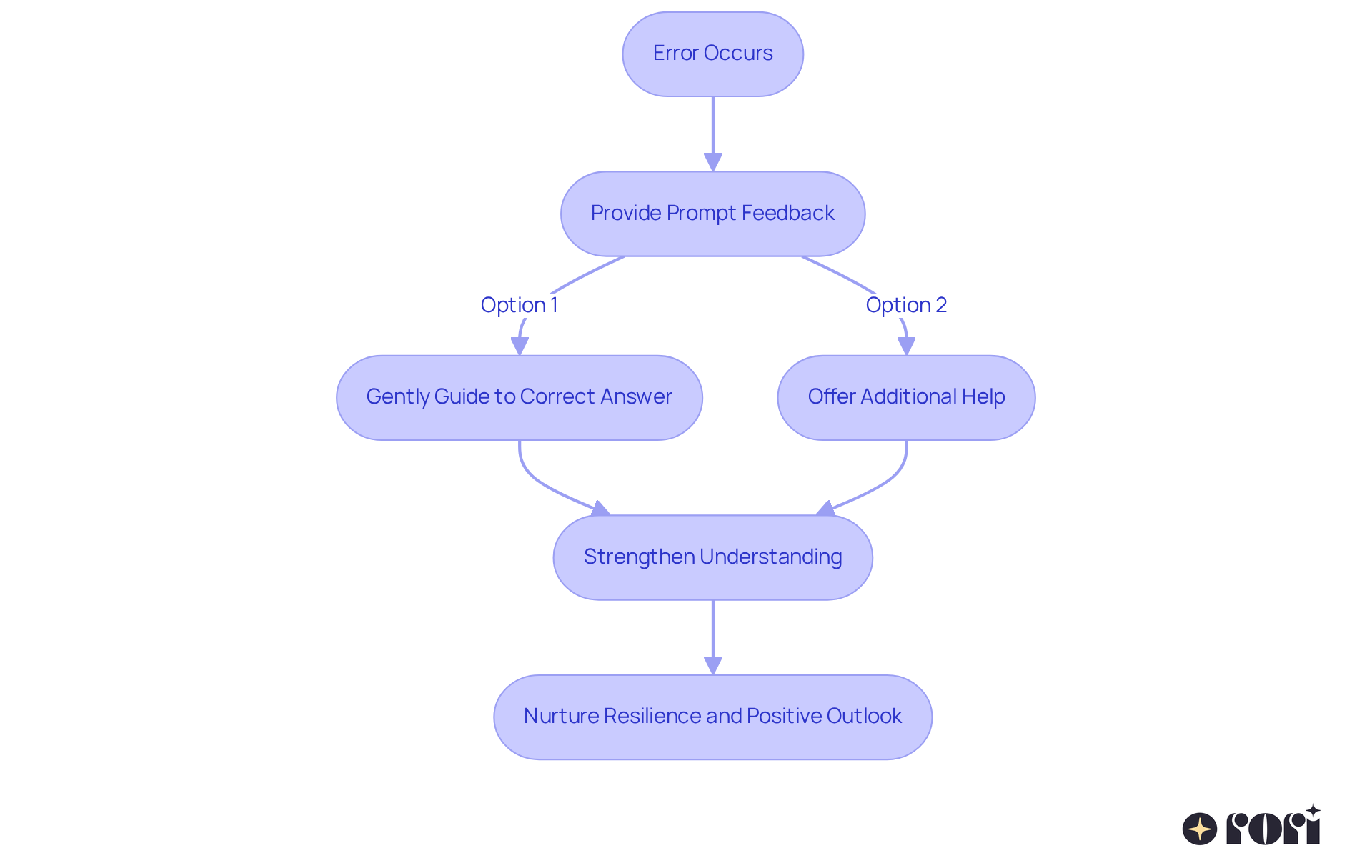
Correcting mistakes quickly is super important in to help our kids learn better. When a young person makes an error, it’s crucial to provide . This might mean toward the right answer or offering a bit more help. Not only does this clarify the mistake, but it also strengthens their understanding of the correct response.
Studies show that , as they help kids see their errors as chances to grow. By creating a where mistakes are seen as stepping stones to improvement, caregivers and therapists can nurture resilience and a positive outlook on learning. This approach aligns with what qualified behavior analysts suggest—implementing dtt steps aba as effective is key to promoting growth and confidence in young learners.
Plus, the personalized support provided through means that interventions are tailored to each child’s unique needs. This includes adaptive strategies that evolve as the young person progresses, making it easier to . To empower both clients and caregivers in the educational journey, it’s helpful to regularly check in on progress and adjust strategies as needed.
A practical tip for parents is to keep the lines of communication open with therapists about their child’s responses. This can help refine the approach and ensure a more effective educational experience. Let’s explore this together! We’re here to help you every step of the way!
Keep Trials Fast-Paced and Engaging: Maintaining Child Interest in DTT
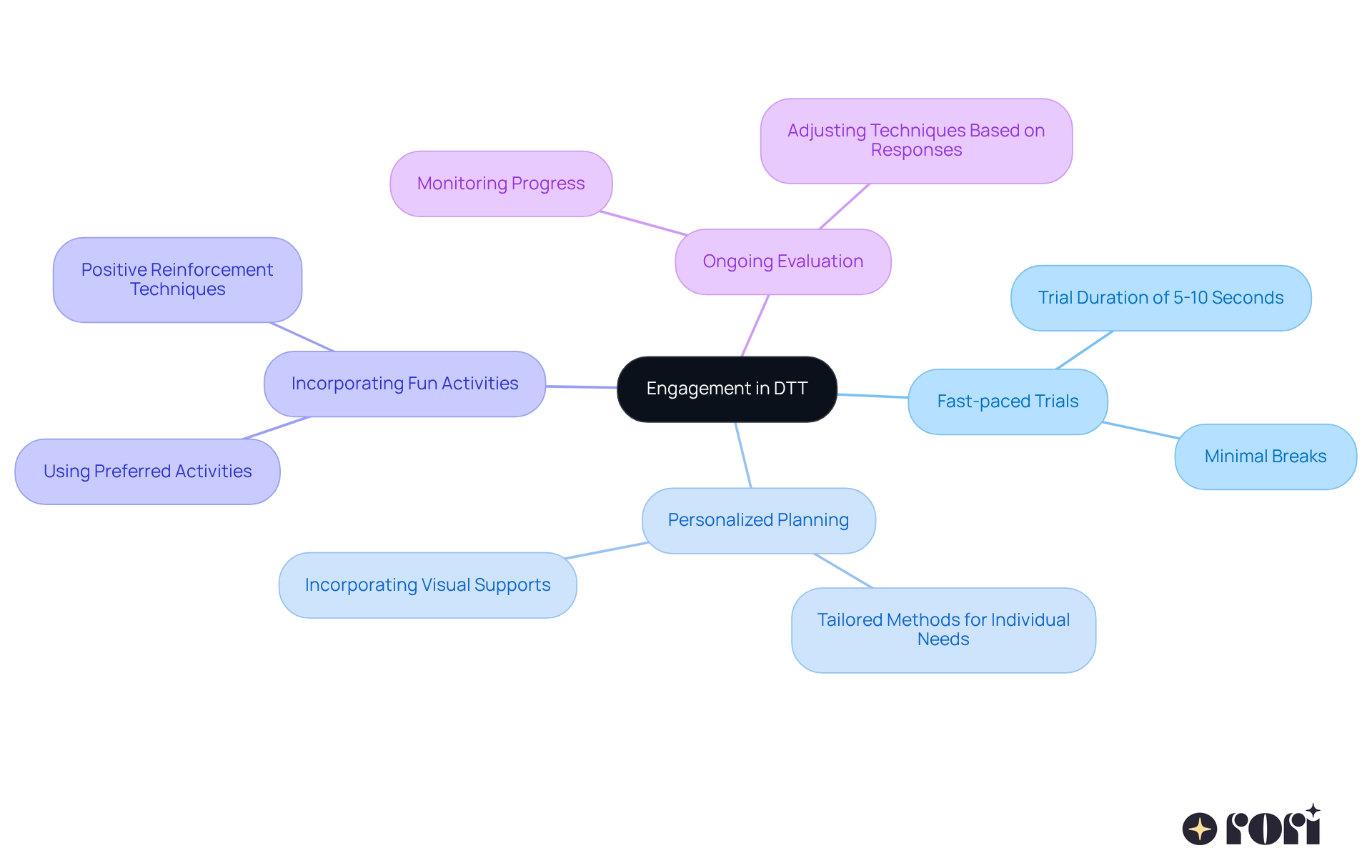
To keep our young learners engaged during ABA, it’s essential to create a fast-paced and dynamic learning atmosphere. Ideally, each trial should last just 5 to 10 seconds, with minimal breaks to keep the momentum going. By blending familiar skills with new ones, we can effectively , ensuring that our little ones stay motivated and engaged throughout their learning journey.
Did you know that studies show over 63% of youngsters with autism make progress in behavior and communication through ? This highlights just how important those are for boosting engagement and educational outcomes.
What’s great about is its . This approach allows us to tailor methods to meet each child’s unique needs, strengths, and challenges. Incorporating activities they love, using visual supports, and applying positive reinforcement can make the learning experience not only effective but also enjoyable! Plus, the helps us to clearly and make necessary adjustments based on how the child responds. This ongoing evaluation is key to optimizing outcomes and empowering caregivers with .
Let’s explore this together! We’re here to help you every step of the way!
Collect and Analyze Data: Measuring Progress in DTT
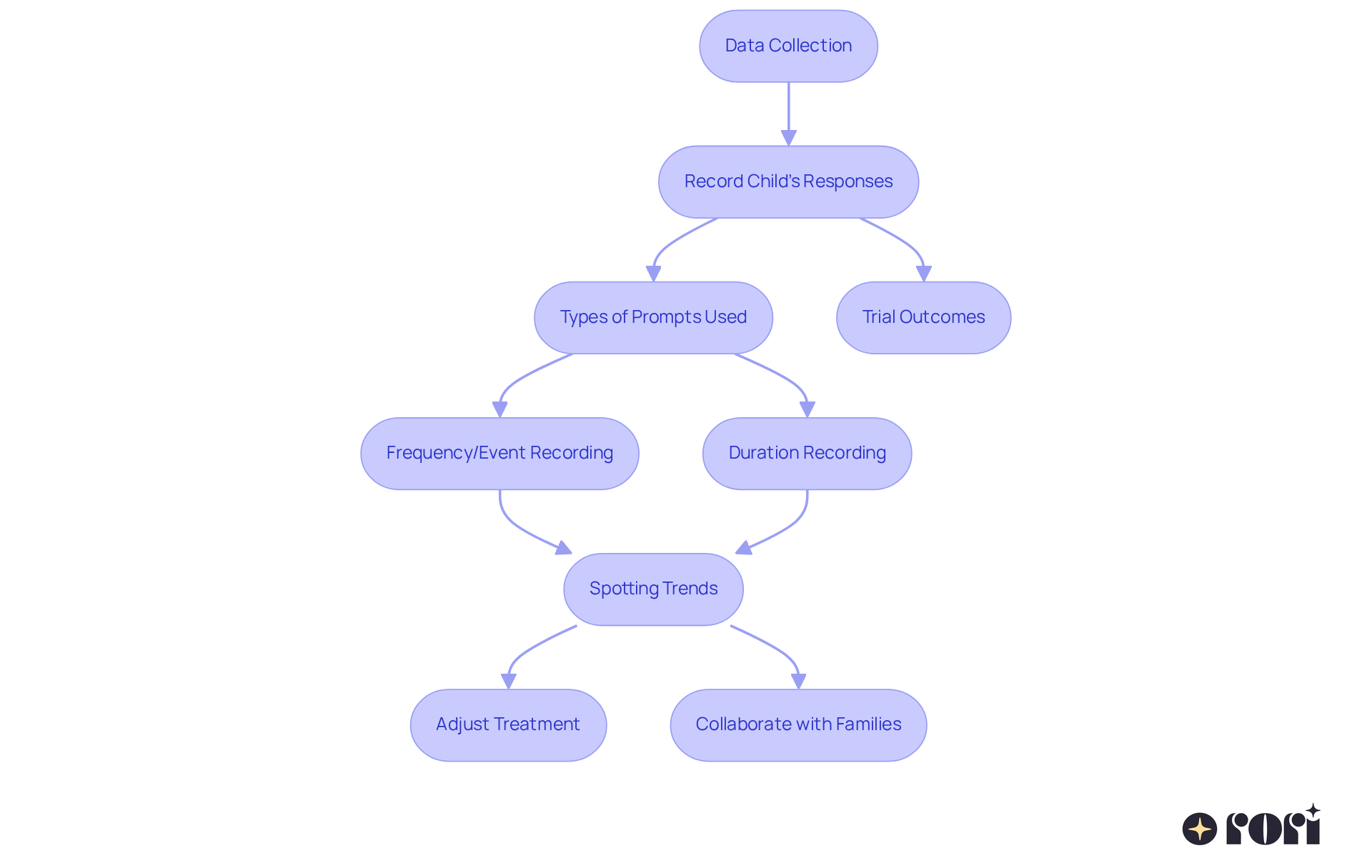
Collecting and analyzing data during is a key part of ! This process means , the types of prompts used, and the outcomes of each trial. By systematically tracking this information, therapists can spot trends and really assess how well the training is working.
For example, helps therapists see how often specific behaviors happen, giving them measurable data to inform treatment adjustments. Plus, reveals how long certain behaviors last, which is super helpful for fast or variable behaviors that can be tricky to count accurately.
Research shows that DTT steps ABA are effective in boosting various abilities, including language and communication. A , where skills are broken down into manageable pieces, makes it easier to measure progress and .
And you know what? Using , like digital apps and tally sheets, really enhances the accuracy and efficiency of tracking progress. This data-focused approach not only helps therapists make informed choices but also encourages .
It’s all about working together to support the young person’s development! Consistent communication about progress helps families engage actively in therapy, strengthening learned behaviors beyond sessions and contributing to overall success in the individual’s learning journey.
Let’s explore this together!
Promote Generalization: Applying DTT Skills in Real Life
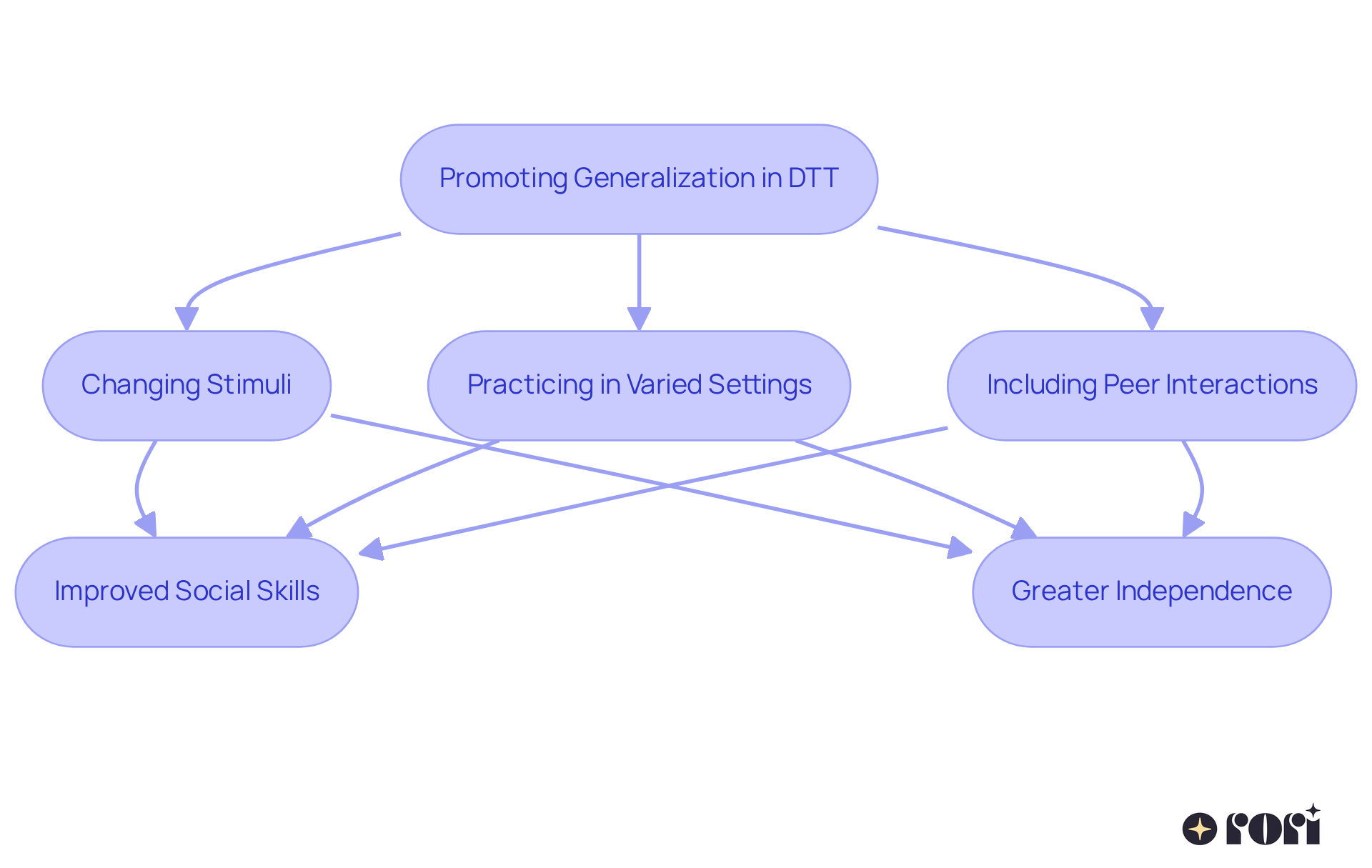
A key goal of in ABA therapy is . This approach involves teaching skills in different environments and situations, ensuring that young learners can effectively use what they’ve learned in . Techniques like changing stimuli, practicing in varied settings, and including peer interactions are essential for helping dtt steps aba transfer beyond the therapy room.
For instance, a case study on showed that kids who practiced social interactions in both structured therapy sessions and , like playgrounds, made significant strides in connecting with their peers. This real-world practice not only improved their but also encouraged greater .
Clinicians emphasize the importance of dtt steps aba, noting that ‘the ability to apply skills learned in therapy to everyday situations is crucial for a young person’s growth and confidence.’ By actively involving kids in diverse situations, caregivers can help reinforce these skills, making them more applicable in daily life.
Ultimately, the aim is to create a smooth transition from therapy to practical application, enabling individuals with autism to navigate their world with confidence and skill. Let’s explore this together! We’re here to !
Evaluate and Adjust DTT Programs: Ensuring Continuous Improvement
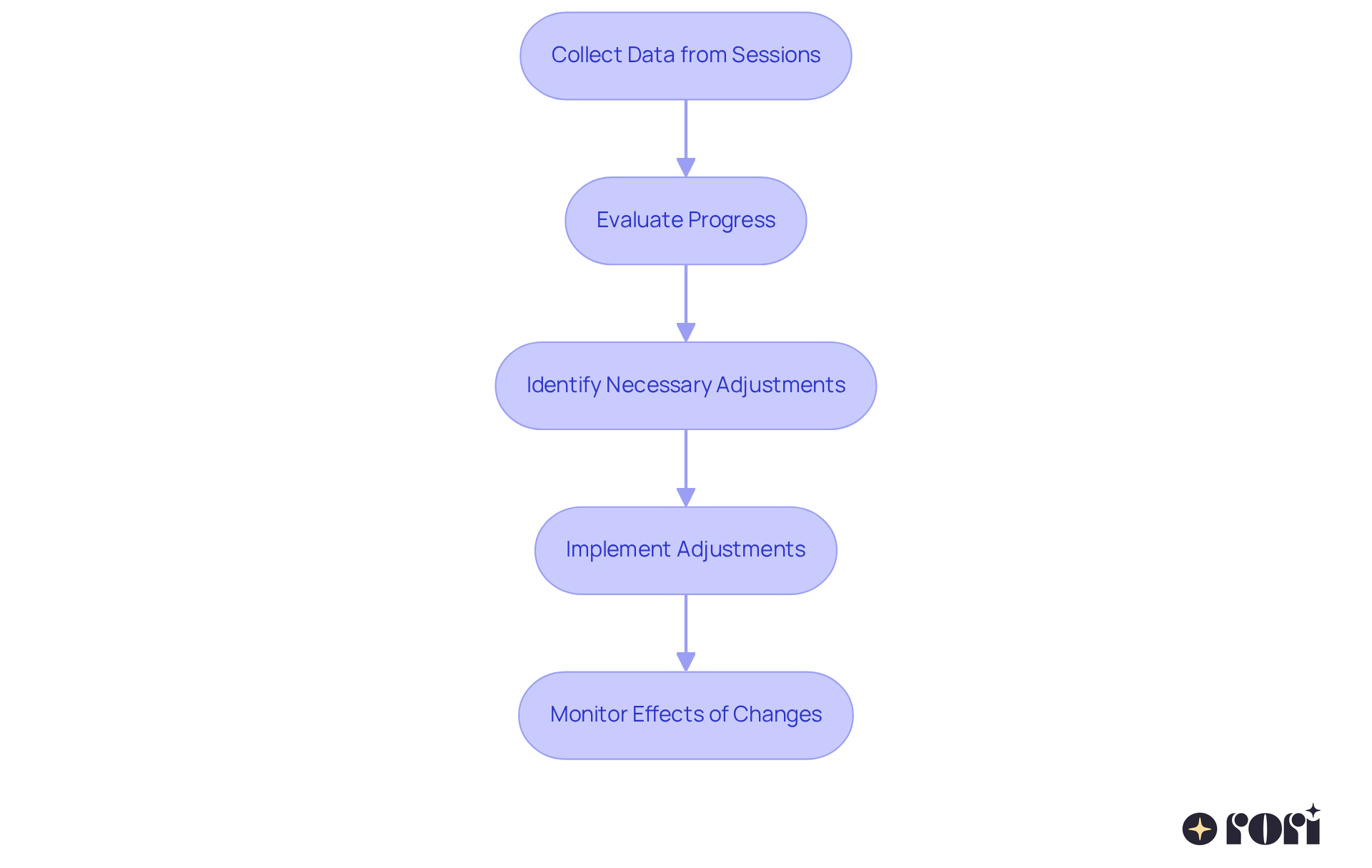
Evaluating and adjusting programs is crucial for fostering continuous improvement in ! 🌟 This process means taking a good look at the data collected during sessions, which helps therapists see how the young person is progressing. By making the necessary tweaks to the training approach based on each individual’s unique needs and responses, therapists can really boost the effectiveness of the intervention.
Did you know that research shows 90% of individuals make , especially with active caregiver participation? This really highlights how crucial it is to to match the changing needs of each child. Plus, case studies reveal that regular updates to the [[DTT steps ABA](https://rori.care/post/10-effective-aba-techniques-to-boost-your-childs-academic-skills)](https://rori.care/insurance-covered-autism-services-step-by-step) not only support continuous development but also help kids reach their full potential.
BCBAs emphasize that is a cornerstone of . It promotes a flexible approach that adapts to each individual’s growth. By prioritizing these evaluations and adjustments, therapists can create a more . Let’s explore this together and see how we can make a difference! 💪
Conclusion
The implementation of Discrete Trial Training (DTT) steps in Applied Behavior Analysis (ABA) is truly a game-changer for children facing various developmental challenges. By breaking down complex skills into manageable steps, this approach not only helps kids learn but also lays a solid foundation for their future growth. With personalized strategies, we can ensure that each child’s unique needs are met, promoting their independence and development.
Throughout this article, we’ve highlighted key elements of effective DTT, like:
- Identifying target skills
- Preparing engaging materials
- Delivering clear instructions
- Providing immediate reinforcement
Each of these steps is vital in creating a structured and supportive learning environment where children can thrive and make meaningful progress. Plus, the focus on data collection and ongoing evaluation keeps therapy dynamic and responsive to each child’s development.
In conclusion, we can’t overstate the importance of DTT steps in ABA therapy. By prioritizing personalized approaches and fostering collaboration between therapists and families, we significantly boost the potential for positive outcomes. Embracing these strategies empowers children to apply their skills in real-life situations, nurturing their confidence and resilience. It’s essential for caregivers and educators to stay engaged and proactive in this journey, ensuring that every child receives the support they need to succeed. Let’s explore this together and continue to support our children on their path to growth!
Frequently Asked Questions
What is Rori Care’s approach to ABA therapy?
Rori Care employs a personalized approach to ABA therapy by implementing Discrete Trial Training (DTT) steps, which break down complex skills into manageable steps tailored to each child’s unique needs.
How does DTT enhance learning outcomes?
DTT enhances learning outcomes by using positive reinforcement and adhering to data-driven insights and innovative AI technology, ensuring effective and focused therapy sessions.
What is the ABC model in DTT?
The ABC model stands for Antecedent, Behavior, and Consequence, which guides each session to help children understand the connection between their actions and the rewards they receive.
What is the first step in Discrete Trial Training?
The first step in DTT is identifying target skills through a thorough assessment to determine the specific abilities or behaviors to teach, covering areas like language skills, social interactions, and daily living tasks.
How are target skills structured in DTT?
Target skills are structured into clear and measurable goals, typically broken down into 10 to 15 manageable micro-steps to enhance the learning experience, especially for younger children or those new to DTT.
Why is parental involvement important in DTT?
Parental involvement is crucial during the assessment phase as parents provide valuable insights that support their child’s learning journey, fostering a collaborative environment that boosts personal growth.
What materials are essential for successful DTT sessions?
Essential materials for DTT sessions include visual aids, tokens, and engaging reinforcers that are directly tied to the skills being targeted, helping to maintain the child’s attention and motivation.
How do visual supports impact DTT effectiveness?
Visual supports enhance understanding during DTT by helping children grasp concepts more effectively and reducing distractions, leading to focused learning.
How does Rori Care ensure the effectiveness of intervention plans?
Rori Care updates intervention plans based on progress through their behavior care engine, ensuring that strategies remain effective and aligned with each child’s development.
What role do reinforcers play in DTT?
Reinforcers are critical in DTT as they promote positive behaviors and help young learners understand which actions lead to rewards, thereby enhancing skill development and confidence.