

Introduction
Effective prompting is a cornerstone of Applied Behavior Analysis (ABA) therapy, shaping how young individuals learn and adapt. By harnessing tailored prompting strategies, both Registered Behavior Technicians (RBTs) and parents can create a dynamic learning environment that truly caters to each child’s unique needs. However, this journey often comes with its own set of challenges. How can caregivers ensure they are using the most effective techniques to foster independence and skill acquisition?
This article delves into ten essential prompting strategies that not only enhance learning outcomes but also empower families to support their children’s developmental journeys. Let’s explore this together and uncover how these strategies can make a difference!
Rori Care – ABA Therapy: Personalized Prompting Strategies for Effective Learning
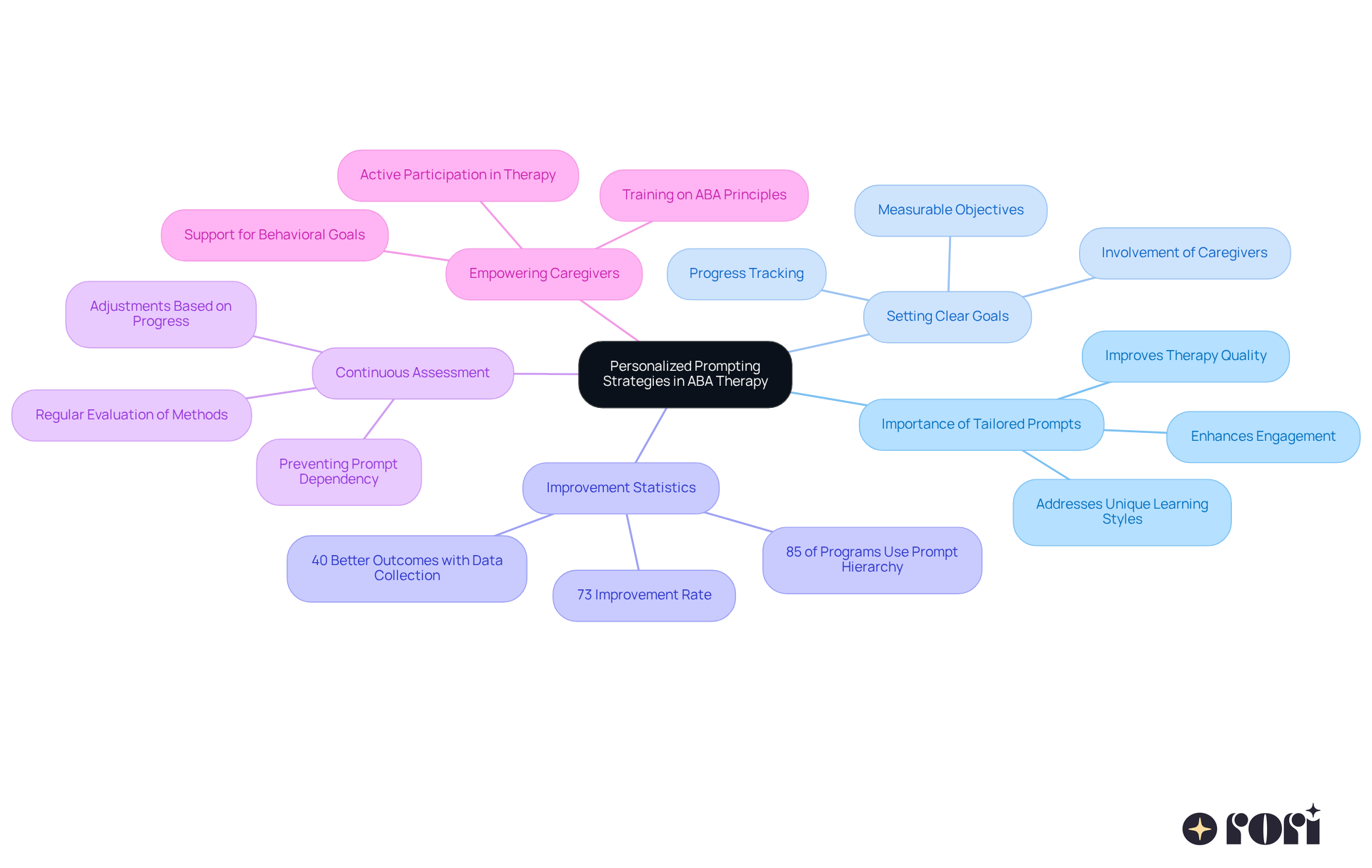
Tailored prompting methods are essential in ABA therapy, particularly in prompting RBTs to address the unique learning styles and needs of each individual. By taking a closer look at a person’s strengths and challenges, RBTs and qualified behavior analysts can engage in prompting RBTs to craft prompts that truly facilitate . This thoughtful planning ensures that every is designed to meet the distinct goals of the individual, offering .
Setting clear, is also essential. It allows parents to track progress transparently, enhancing engagement and fostering a deeper understanding of the material. Research shows that can lead to a remarkable 73% improvement rate across various skill domains. This underscores just how effective personalized strategies can be in creating meaningful learning experiences.
Moreover, specialists emphasize that significantly improves the overall quality of therapy, making it more adaptable to the young person’s evolving needs. Did you know that 85% of ABA programs utilize some form of ? This highlights the widespread adoption and importance of tailored prompts in ABA therapy, prompting RBTs to customize their approaches.
Continuous assessment and adjustment of these methods are crucial to ensure they remain effective as the young person progresses. Ultimately, the impact of for individuals with autism is profound. It paves the way for greater independence and success in their developmental journey.
By empowering caregivers with ABA principles and strategies, they can actively support their children’s . This leads to improved outcomes and enhances family dynamics. Let’s explore this together! We’re here to !
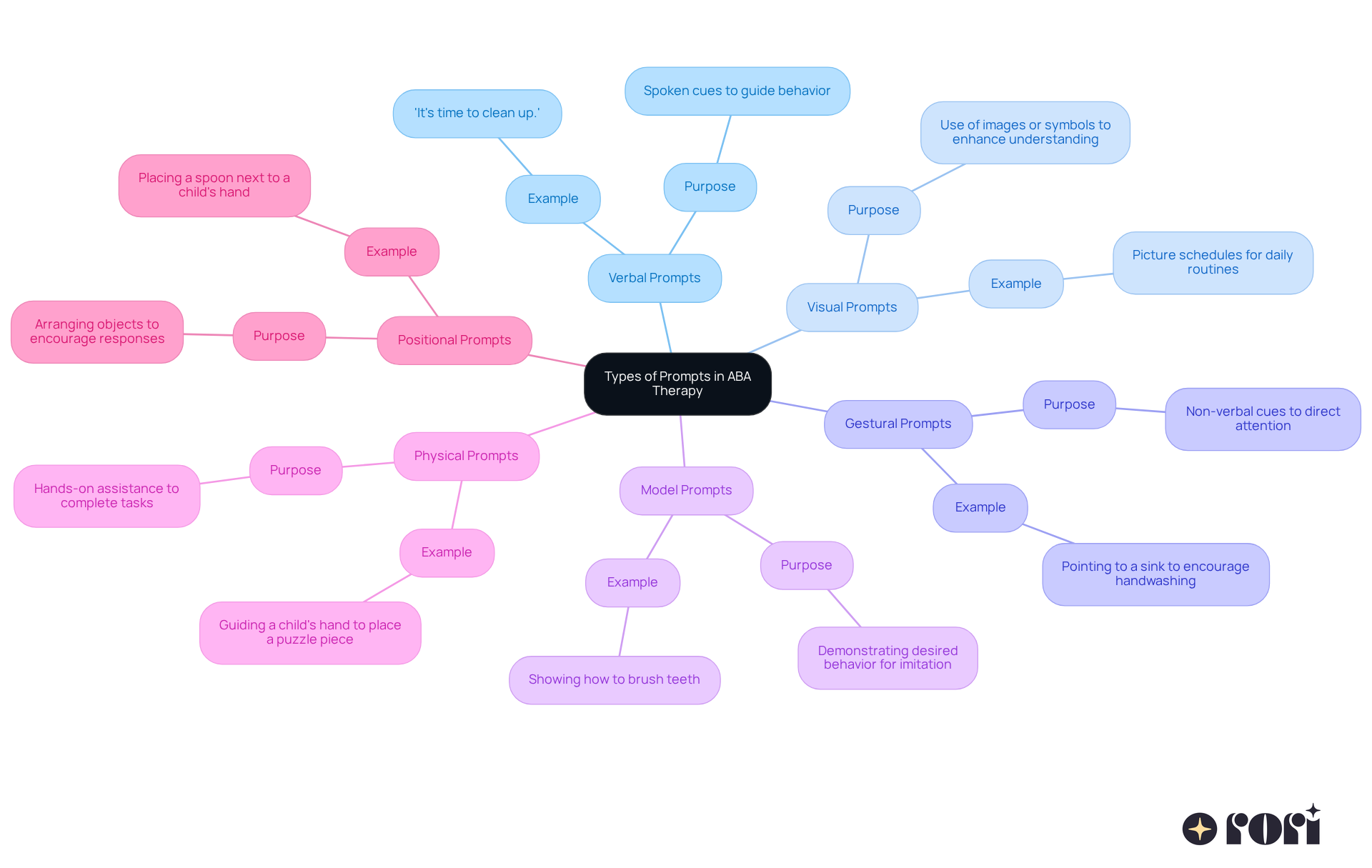
Types of Prompts: Exploring the Six Primary Methods Used in ABA Therapy
In , there are that help facilitate learning and encourage the behaviors we want to see: , , gestural prompts, , , and . Each type plays a unique role in the learning journey, contributing to the goal of and empowerment for both caregivers and children.
- : These are spoken cues that guide behavior. For example, a therapist might say, ‘It’s time to clean up,’ to encourage a child to pick up their toys. Caregivers can keep an eye on progress by noticing how often the child responds correctly with less prompting over time.
- : These use images or symbols to enhance understanding. Picture schedules can help kids grasp daily routines and expectations, making transitions smoother. Caregivers can assess how effective these are by observing how independently the child follows the schedule as visual cues are gradually reduced.
- Gestural Signals: Hand signals or body language can direct attention or indicate desired actions. For instance, a therapist might point to a sink to encourage handwashing, reinforcing the connection between the gesture and the action. Watching how well the child reacts to gestures without further cues can show progress.
- : This method involves demonstrating the desired behavior for the child to imitate. A therapist might show a child how to brush their teeth, providing a clear example to follow. Caregivers can evaluate progress by seeing how often the child can perform the behavior independently after modeling has been faded out.
- : These offer hands-on assistance to help the child complete a task. For example, a therapist may guide a child’s hand to correctly place a puzzle piece. The goal is to reduce physical cues as the child builds confidence and skill, which can be monitored by how frequently they accomplish tasks on their own.
- : Arranging materials or objects in a certain way can encourage the correct response. For instance, placing a spoon next to a child’s hand can prompt them to use it during mealtime. Caregivers can track progress by observing how often the child uses the spoon independently as positional cues are lessened.
By understanding and effectively using these types of prompts, caregivers can significantly enhance the learning experience, prompting RBT to foster greater independence and confidence in children. Plus, adding when a child successfully completes a task without prompts can further encourage independent behavior. Parents are invited to practice these prompting strategies in everyday interactions, gradually reducing support as their child becomes more capable. This empowers them on their journey toward . Let’s explore this together!
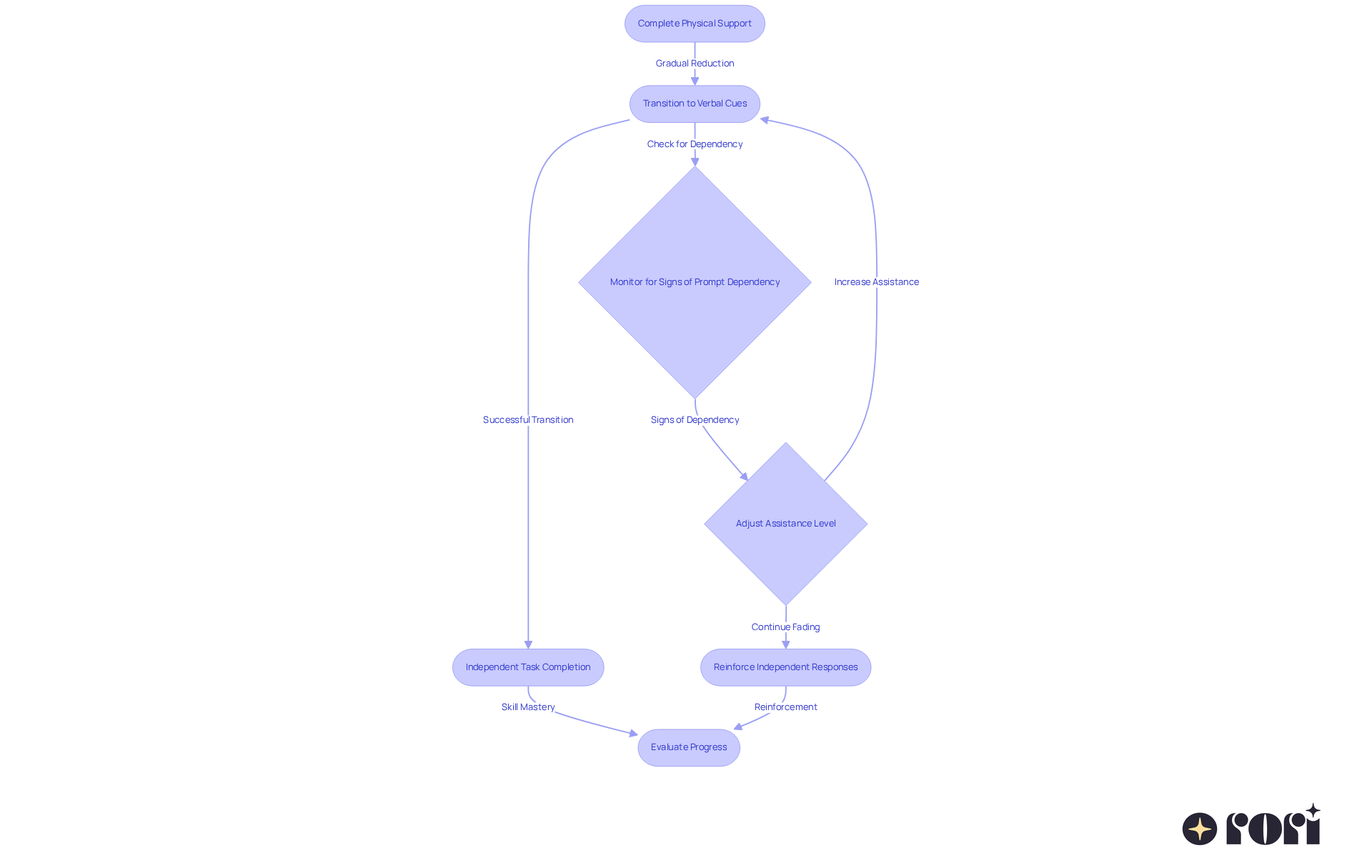
Prompt Fading Techniques: Gradually Reducing Assistance for Greater Independence
is such a vital technique in ! It’s all about gradually reducing the support we give to individuals as they master new skills. This method not only helps them but also boosts their confidence, encouraging them to rely less on cues over time. Imagine a young person who starts out needing complete physical support to complete a task; they can gradually transition to using verbal cues and eventually do it all on their own. Research shows that learners are ready for less assistance when they consistently hit an accuracy level of 80-90% across multiple sessions.
But the benefits of rapid fading go beyond just learning new skills. By fostering autonomy, young individuals learn to handle daily activities without needing external prompts, which is crucial for their long-term success. involves a systematic approach based on data, ensuring that prompts are faded at a pace that’s just right for each individual. For instance, when teaching like brushing teeth, therapists start with complete physical support and then gradually reduce assistance, ultimately enabling the individual to brush their teeth independently as part of their daily routine.
Creating is also key in this journey. Certified design personalized plans that include measurable goals and research-backed strategies, making sure the fading process is tailored to each person’s unique needs and progress. Progress reports play a vital role in this adjustment, allowing to tweak their approaches based on how the individual is doing. This ongoing evaluation is essential, especially when caregivers are actively involved in the therapy.
However, it’s important to be mindful of the potential pitfalls of rapid fading, as it can sometimes lead to skill loss or encourage dependency. If you notice signs of —like waiting for physical guidance or looking for cues—this might be a signal that adjustments are needed. Strong reinforcement for independent responses is crucial during the fading process; it really helps solidify what the learner knows and encourages them to take on tasks on their own.
Experts agree on the importance of , emphasizing that the ultimate goal is for individuals to perform tasks independently. By using techniques like least-to-most and most-to-least prompting strategies, therapists can effectively support young people in achieving this independence while minimizing errors and frustration. Overall, prompting rbt is an effective method that not only aids in skill development but also helps individuals with autism thrive in their everyday lives. Let’s explore this together!
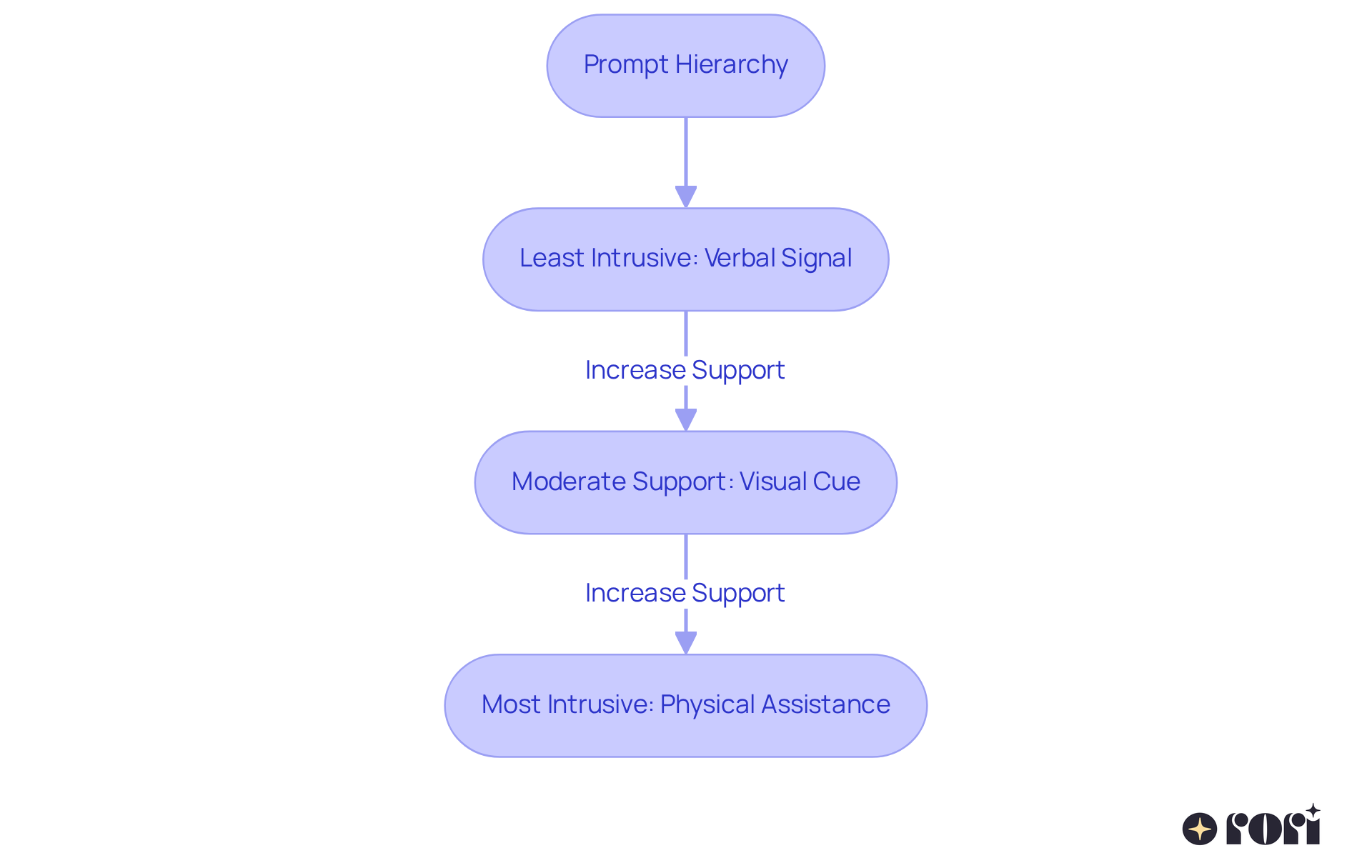
Prompt Hierarchy: Implementing a Structured Approach to Prompting in ABA Therapy
The is a helpful framework that organizes cues from least to most intrusive, which is essential for to determine the right level of support needed at any moment. For example, starting with a simple suggestion, like a verbal signal, can encourage a child to engage in a task independently. If they need a bit more help, more direct cues, such as physical assistance, can be introduced.
This structured approach not only promotes independence but also fosters a sense of achievement as kids learn to use their skills effectively. Research shows that using a can significantly boost youth performance, leading to better task completion rates and higher self-esteem. By gradually reducing prompts as skills improve, young people feel more motivated and develop a stronger sense of belonging in social situations, ultimately paving the way for lasting independence and a better quality of life.
Moreover, as Laura NG points out, learning in is crucial for building trust and encouraging cooperation, which is essential for . When caregivers have a deeper understanding of ABA concepts and strategies, they can provide the right support at home, complementing professional help and ensuring consistency.
Additionally, the caters to various learning styles by offering a mix of visual, verbal, and physical cues, optimizing learning outcomes. This active involvement not only enhances behavioral results but also empowers caregivers, reducing stress and improving overall family dynamics. To better , it’s beneficial to regularly discuss their experiences and challenges, share effective strategies, and encourage open communication, prompting RBT involvement. This helps create a . Let’s explore this together!
Implementing Prompting Procedures: Best Practices for RBTs in ABA Therapy
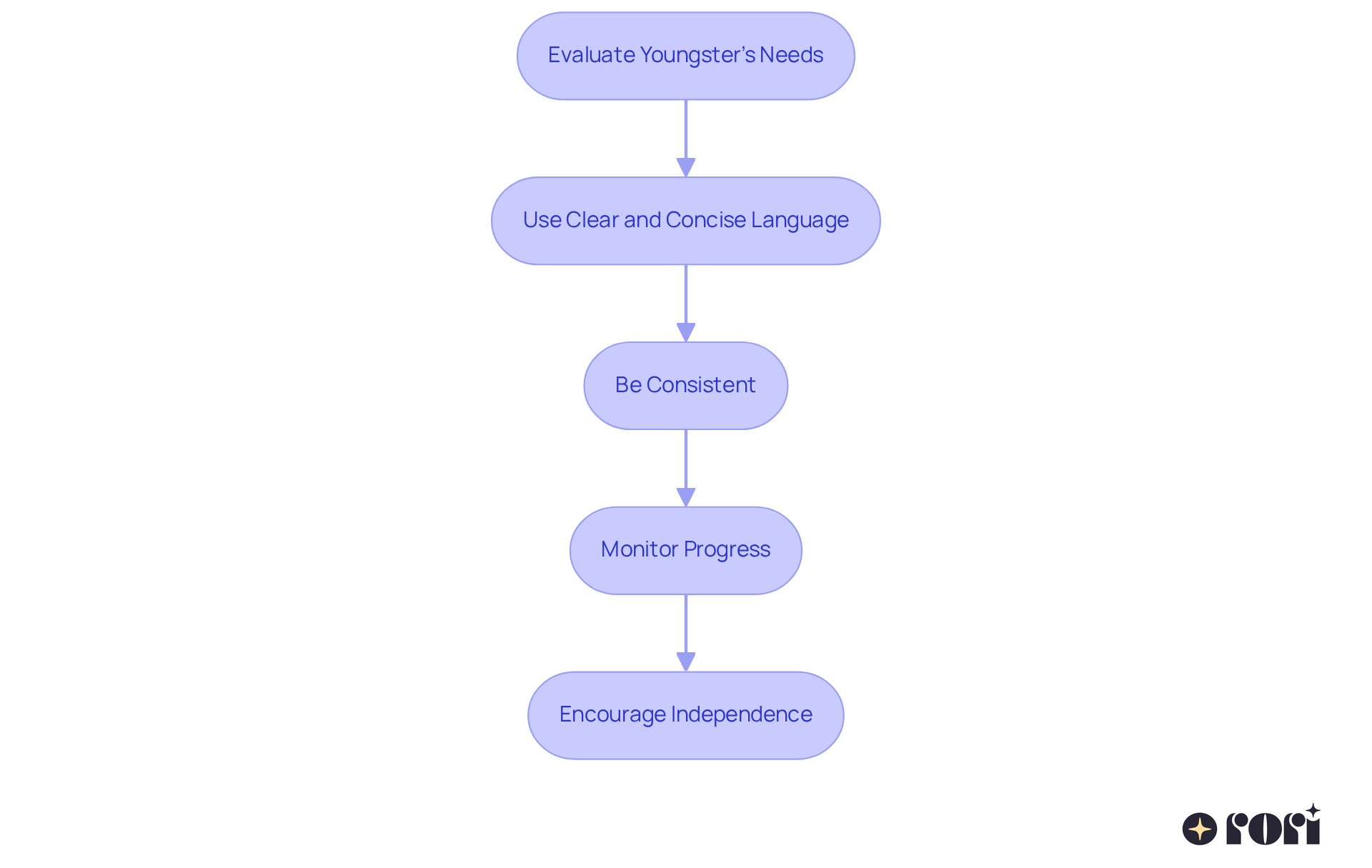
To implement effective , RBTs can follow some best practices that really make a difference:
- Evaluate the Youngster’s Needs: Start by getting to know each young person’s unique learning style and preferences. This personalized approach is super important! Studies show that .
- Use Clear and Concise Language: Make sure that verbal cues are straightforward and easy to understand. Clear communication is key for effective learning and helps reduce frustration during the process.
- Be Consistent: Consistency is crucial! Using the same prompts across different settings . Research indicates that 90% of individuals make remarkable progress when caregivers actively participate and implement recommended hours. This teamwork is vital for adjusting treatment plans based on progress reports, ensuring that interventions meet the young individual’s needs. Plus, the plays a significant role in updating these plans based on the individual’s progress.
- : Regularly check in on how the young one is responding to cues and adjust strategies as needed. Continuous monitoring allows for timely tweaks to the techniques, ensuring they remain effective and aligned with the child’s evolving needs. Ongoing evaluation is a key part of , which is essential for optimizing outcomes in .
- Encourage Independence: Gradually reduce cues to promote self-sufficiency. Techniques like cue fading—where support is systematically lessened—are vital for . For instance, a case study on fading stimulus prompts showed that starting with a fully outlined shape and gradually diminishing the outline can effectively teach a young individual to draw on their own.
By embracing these practices, RBTs are to create a nurturing learning atmosphere that not only enhances capability acquisition but also empowers youngsters to thrive independently. This aligns beautifully with the principles of Applied Behavior Analysis (ABA) and highlights the importance of (EIBI). Additionally, having qualified supervision is key to ensuring quality and ethical standards in ABA services, further boosting the effectiveness of these prompting strategies. Let’s explore this together!
The Importance of Prompting: Enhancing Learning and Behavior Modification in ABA Therapy
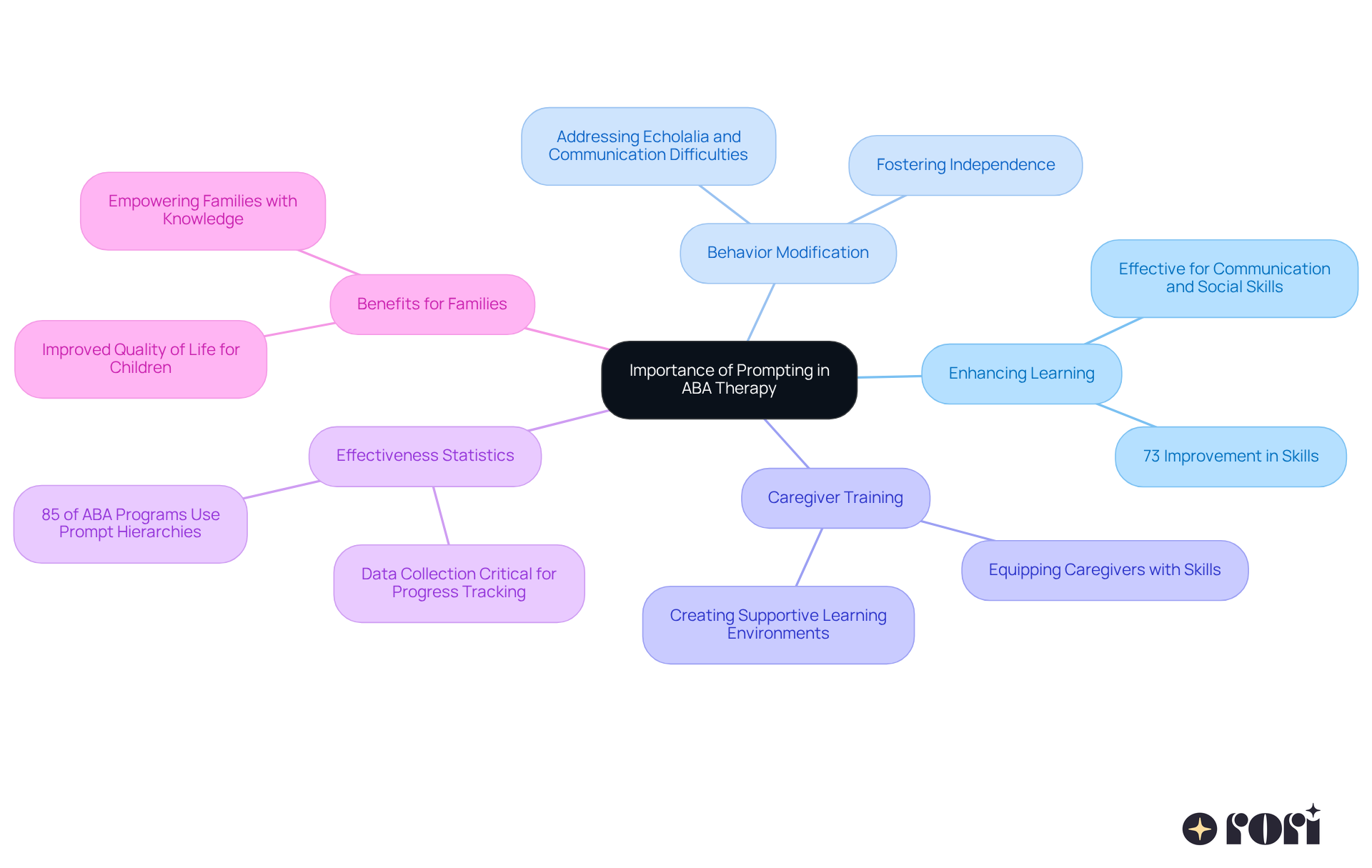
is a vital part of Applied Behavior Analysis (ABA) therapy, playing a key role in helping young people learn new skills and change behaviors. It’s not just about guiding them toward the right actions; effective prompting also boosts their positive behaviors, making it easier for them to understand and replicate these actions later on. For instance, research shows that can lead to a remarkable 73% improvement across various skills, including , which are crucial for kids with autism.
By using the right cues, caregivers—armed with —can create a supportive learning environment that enhances a child’s ability to learn new skills and adapt their behavior in different situations. This organized approach is particularly helpful in addressing challenges like echolalia and communication difficulties, as it allows for that meet each child’s unique needs. Plus, data reveals that over 85% of ABA programs incorporate some form of , underscoring its widespread acceptance as an .
When caregivers and therapists use , they can foster meaningful independence and improve the quality of life for children with autism. This not only empowers families but also helps them make informed decisions that positively influence their loved one’s development. is crucial—it equips caregivers with the skills and confidence needed to implement these strategies effectively, reducing stress and enhancing family dynamics.
Let’s explore this together! We’re here to help you every step of the way!
Challenges in Prompting: Overcoming Barriers to Effective ABA Therapy
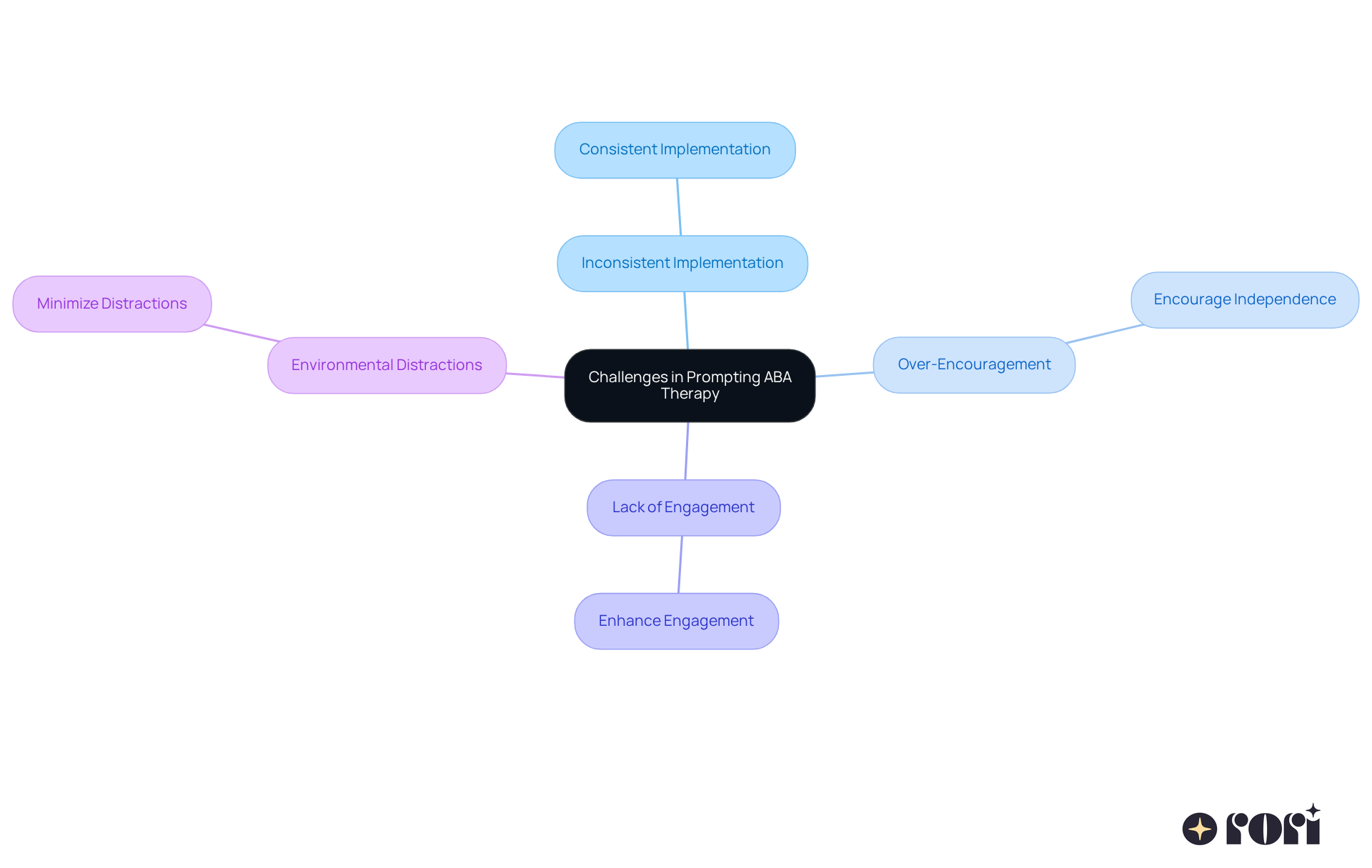
can be quite a journey, and it often comes with its own set of challenges that can impact a young person’s learning experience. Let’s take a closer look at some key issues:
- : When prompts are applied differently, it can lead to confusion for the child. This inconsistency makes it tough for them to grasp what’s expected of them and how to respond.
- Over-Encouragement: While support is crucial, too much of it can actually hold back a young person from . They might end up relying on cues instead of learning to start tasks on their own.
- : If the cues don’t spark interest, it’s easy for young learners to disengage from the process. This can really reduce the effectiveness of the intervention.
- : Things like noise or visual clutter can be real distractions, making it hard for the young individual to focus on what they need to do.
To tackle these challenges, caregivers can make a real difference by being consistent with prompting rbt, keeping an eye on how engaged the child is, and creating a that minimizes distractions. Establishing and using can also enhance the effectiveness of cues. This way, youngsters receive and can transfer their skills across different settings.
So, let’s explore this together! Remember, you’re not alone in this journey, and we’re here to help you every step of the way!
Technology-Enhanced Prompting: Leveraging Innovations in ABA Therapy
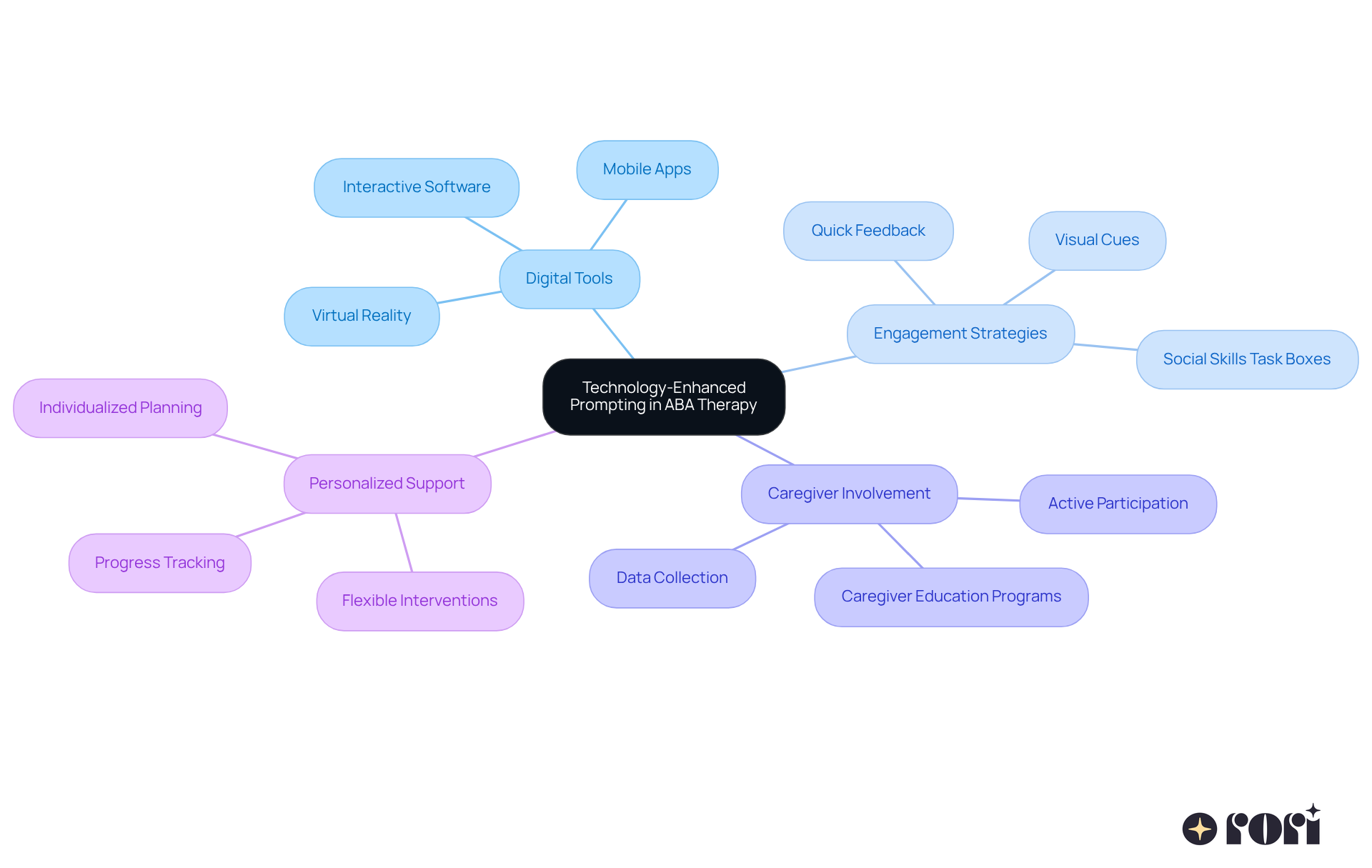
is all about using to make even more effective. Think about how mobile apps, interactive software, and virtual reality can create exciting prompting experiences that really grab the attention of young individuals and spark their engagement. For instance, mobile applications can provide visual cues and quick feedback, helping kids practice in a fun and .
Research shows that when caregivers actively engage with these digital tools, a whopping 90% of individuals show amazing progress in their therapy—especially when they’re equipped with ABA principles and strategies. As S.L. Coelho wisely puts it, ” This perspective really highlights the and of every young person.
By weaving technology into traditional prompting techniques, prompting RBT can significantly enhance the learning experience for parents, making it more engaging and effective for individuals on the autism spectrum. Plus, with the and clear progress tracking provided by Rori Care, interventions can remain flexible and responsive to each individual’s evolving needs. Let’s explore this together!
Supporting Prompting at Home: Strategies for Parents to Enhance ABA Therapy
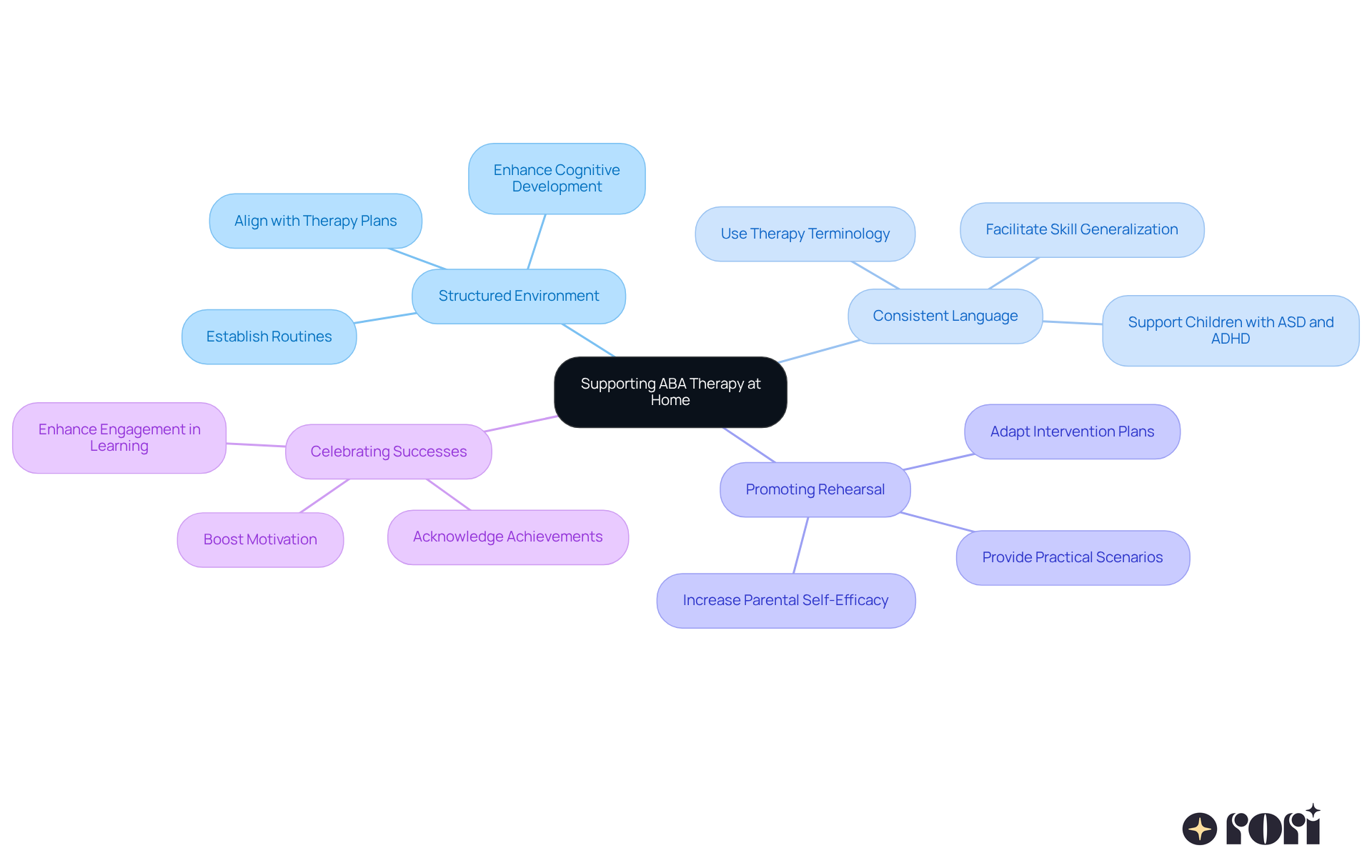
Parents play a crucial role in enhancing prompting RBT strategies at home by implementing . Let’s explore this together!
- Create a : Establishing routines that incorporate prompting opportunities is essential. A well- helps young individuals grasp expectations and encourages their development. Studies show that youngsters who experience regular exhibit enhanced cognitive and developmental abilities. This highlights the significance of an . Plus, this structured approach aligns with adaptive treatment plans that evolve based on progress reports, ensuring that the strategies used at home complement those in therapy.
- Use Consistent Language: is vital. By using the same language applied in therapy sessions, parents strengthen learning and help youngsters apply their abilities in various situations. This consistency directly influences ability generalization, making it easier for youngsters to apply what they learn in therapy to everyday situations. This is especially crucial for those with Autism Spectrum Disorders, ADHD, and other behavioral challenges.
- : Offering diverse chances for youngsters to apply their abilities in practical scenarios is essential. This not only aids in skill retention but also fosters adaptability in different environments. Engaging in has been shown to significantly increase parental self-efficacy, enhancing the effectiveness of these practices. Active caregiver participation is crucial, as significant progress is often seen when suggested hours are fully applied. The modifies intervention plans according to this progress, ensuring that approaches remain effective.
- Celebrate Successes: boosts motivation and reinforces . Celebrations, regardless of their size, can greatly improve a young person’s engagement and eagerness to learn. By actively engaging in their children’s therapy, parents can significantly enhance the efficacy of prompting RBT techniques, resulting in improved developmental outcomes. This empowerment through ABA principles and approach alignment is essential for effective behavioral support. We’re here to help you every step of the way!
Evaluating Prompting Effectiveness: Measuring Success in ABA Therapy
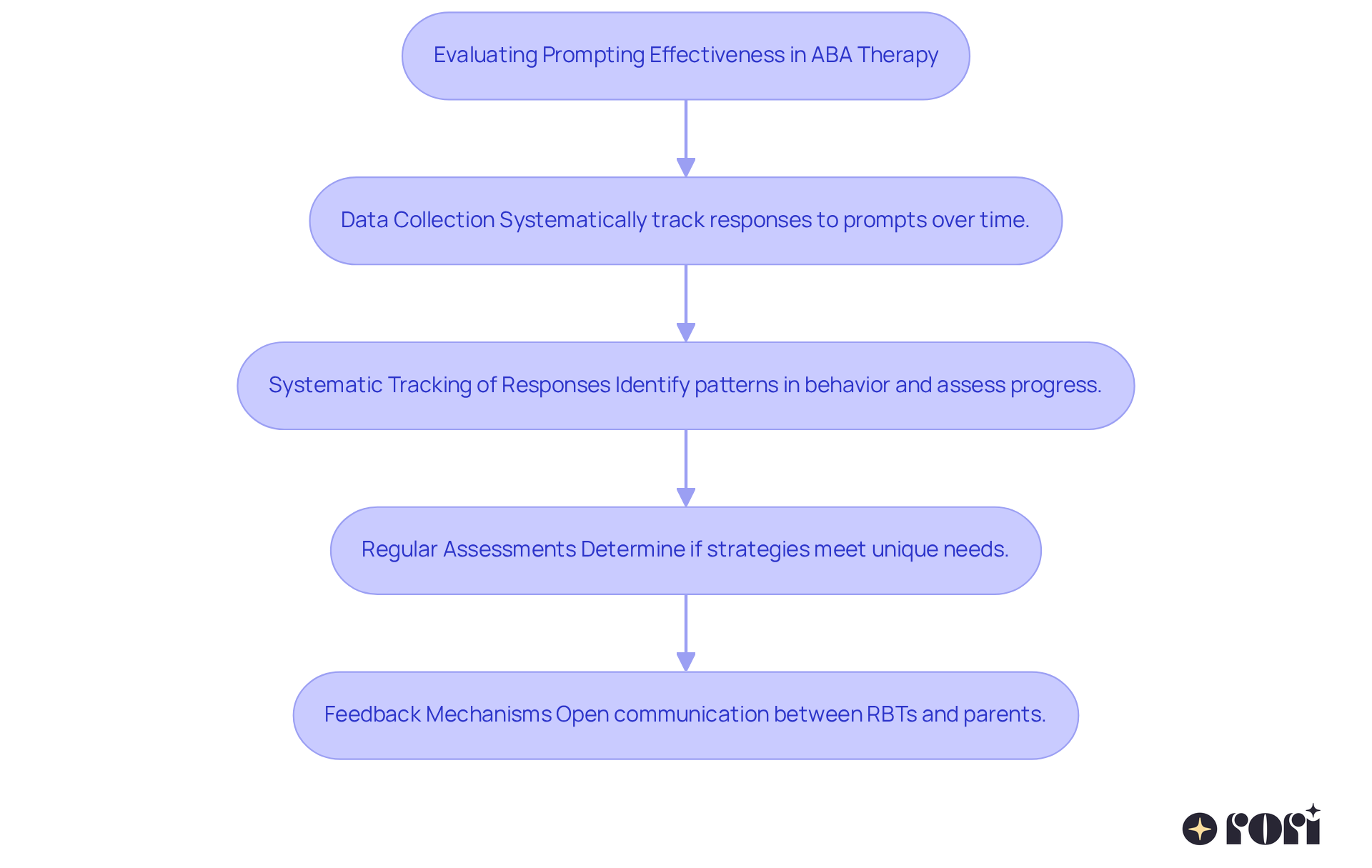
To effectively evaluate the success of prompting strategies in ABA therapy, caregivers can use a few key methods that make a real difference:
- : It’s important to systematically track how your child responds to prompts over time. This approach helps you see patterns in their behavior and assess their progress, giving you a clearer view of their development. Techniques like frequency/event and rate recording or latency recording can provide valuable insights into the effectiveness of . Our clinical team records sessions, ensuring that doesn’t disrupt the therapy process. Plus, all data is securely stored, anonymized, and deleted after analysis—keeping everything confidential while giving you the insights you need.
Regular assessments are crucial to determine if the are effectively meeting your child’s unique needs. Research shows that can lead to significant improvements in communication and social skills, highlighting the importance of . These assessments can point out areas for improvement and ensure that interventions stay relevant. Our behavior care engine updates after each session based on progress, .
- : Open communication between and parents is essential. This dialogue helps explore which strategies are working and which might need tweaking, prompting RBT to ensure a collaborative approach to your child’s learning. Family involvement is key to the success of ABA therapy programs, as it helps generalize skills learned in therapy across different settings. By actively engaging in the data gathering process and understanding ABA principles, you can enhance your support for your child’s behavioral goals.
By using these methods, you can make informed decisions that significantly enhance your child’s learning experience. Continuous not only tracks behavior changes but also informs necessary adjustments to , leading to more effective interventions. The American Psychological Association recognizes , reinforcing the importance of these methods in achieving positive outcomes. Let’s explore this together!
Conclusion
Tailored prompting strategies are essential in ABA therapy, helping RBTs and parents support individuals with unique learning needs. By focusing on personalized methods, caregivers can truly enhance the learning experience, fostering greater independence and skill acquisition. It’s important to recognize the value of structured approaches, like prompt hierarchies and fading techniques, as they allow for gradual adjustments that align with each individual’s progress.
Throughout this article, we’ve shared key insights about the different types of prompts, the significance of consistency, and how technology can enhance prompting effectiveness. A data-driven approach to evaluating these strategies underscores the need for continuous assessment and collaboration between caregivers and RBTs. By implementing best practices and actively engaging in the learning process, families can create supportive environments that empower their children to thrive.
Ultimately, enhancing ABA therapy through effective prompting strategies is a collaborative journey that can lead to meaningful improvements in the lives of individuals with autism. By embracing these techniques and fostering open communication, caregivers can play a vital role in their children’s development, paving the way for greater independence and success in everyday life. This commitment to personalized support not only enriches learning outcomes but also strengthens family dynamics, making this approach invaluable in the realm of ABA therapy. Let’s explore this together—your involvement can make all the difference!
Frequently Asked Questions
What is the importance of personalized prompting strategies in ABA therapy?
Personalized prompting strategies are essential in ABA therapy as they help address the unique learning styles and needs of each individual. By focusing on a person’s strengths and challenges, RBTs and behavior analysts can create prompts that facilitate effective learning and support individual goals.
How do measurable goals enhance ABA therapy?
Setting clear, measurable goals allows parents to track progress transparently, which enhances engagement and fosters a deeper understanding of the material. This systematic approach can lead to significant improvements in learning outcomes.
What is the improvement rate associated with systematic prompting procedures in ABA therapy?
Research indicates that systematic prompting procedures can lead to a remarkable 73% improvement rate across various skill domains, highlighting the effectiveness of personalized strategies in creating meaningful learning experiences.
What are the six main types of prompts used in ABA therapy?
The six main types of prompts in ABA therapy are: 1. Verbal Prompts: Spoken cues that guide behavior. 2. Visual Prompts: Images or symbols that enhance understanding. 3. Gestural Signals: Hand signals or body language that indicate desired actions. 4. Model Prompts: Demonstrations of desired behavior for imitation. 5. Physical Prompts: Hands-on assistance to help complete tasks. 6. Positional Prompts: Arranging materials to encourage correct responses.
How does prompt fading contribute to a child’s independence?
Prompt fading is a technique that involves gradually reducing the support given to individuals as they master new skills. This process helps foster independence and boosts confidence, allowing individuals to rely less on cues over time and handle daily activities independently.
What is the recommended accuracy level for reducing assistance during prompt fading?
Learners are generally ready for less assistance when they consistently achieve an accuracy level of 80-90% across multiple sessions.
What role do behavior analysts play in the prompt fading process?
Certified behavior analysts design personalized treatment plans that include measurable goals and research-backed strategies. They continuously assess progress and adjust the fading process to ensure it meets the unique needs of each individual.
What should caregivers do if they notice signs of prompt dependency?
If caregivers observe signs of prompt dependency, such as individuals waiting for physical guidance or cues, it may indicate that adjustments are needed in the fading process. Strong reinforcement for independent responses is crucial during this time.
What are the ultimate goals of ABA therapy regarding independence?
The ultimate goal of ABA therapy is for individuals to perform tasks independently. Techniques like least-to-most and most-to-least prompting strategies are employed to support young people in achieving this independence while minimizing errors and frustration.
List of Sources
- Rori Care – ABA Therapy: Personalized Prompting Strategies for Effective Learning
- The Numbers Don’t Lie: Revealing Autism Therapy Statistics | Above and Beyond Therapy (https://abtaba.com/blog/autism-therapy-statistics)
- Applied Behavior Analysis in Children and Youth with Autism Spectrum Disorders: A Scoping Review – PMC (https://pmc.ncbi.nlm.nih.gov/articles/PMC9458805)
- Prompt Hierarchies in ABA: A Practical Guide | Links (https://linksaba.com/prompt-hierarchies-in-aba-a-practical-guide)
- Inspirational ABA and Autism Quotes – Mrs. Moe’s Modifications (https://mrsmoesmodifications.com/inspirational-aba-and-autism-quotes)
- Types of Prompts: Exploring the Six Primary Methods Used in ABA Therapy
- What is Meant by Prompting in Applied Behavior Analysis? (https://appliedbehavioranalysisedu.org/what-is-prompting-and-how-is-it-used-in-aba-therapy)
- 6 Common Prompting Strategies Used in ABA Therapy (https://chicagoabatherapy.com/resources/articles/6-types-of-prompts-used-in-aba-therapy)
- goldenstepsaba.com (https://goldenstepsaba.com/resources/aba-prompt-hierarchy)
- Prompt Fading Techniques: Gradually Reducing Assistance for Greater Independence
- artemisaba.com (https://artemisaba.com/blog/aba-prompt-fading-procedures-examples-and-best-practices)
- inclusiveaba.com (https://inclusiveaba.com/blog/fading-aba-therapy-examples)
- Prompt Hierarchy: Implementing a Structured Approach to Prompting in ABA Therapy
- levelaheadaba.com (https://levelaheadaba.com/prompt-hierarchy-in-aba-therapy)
- Implementing Prompting Procedures: Best Practices for RBTs in ABA Therapy
- Inspirational ABA and Autism Quotes – Mrs. Moe’s Modifications (https://mrsmoesmodifications.com/inspirational-aba-and-autism-quotes)
- artemisaba.com (https://artemisaba.com/blog/aba-prompt-fading-procedures-examples-and-best-practices)
- What Are ABA Therapy Quotes? Understanding Their Role and Importance – Rori Blog (https://rori.care/post/what-are-aba-therapy-quotes-understanding-their-role-and-importance)
- 20 Inspiring Quotes About Autism Every Parent Must Read Today (https://circlecareservices.com/20-quotes-about-autism-and-parenting)
- The Importance of Prompting: Enhancing Learning and Behavior Modification in ABA Therapy
- The Role of Prompting in Teaching New Skills in ABA Therapy | Discovery ABA (https://discoveryaba.com/aba-therapy/the-role-of-prompting-in-teaching-new-skills-in-aba-therapy)
- A Comparison of the Effects of Two Prompt-Fading Strategies on Skill Acquisition in Children with Autism Spectrum Disorders – PMC (https://pmc.ncbi.nlm.nih.gov/articles/PMC4893031)
- Prompt Hierarchies in ABA: A Practical Guide | Links (https://linksaba.com/prompt-hierarchies-in-aba-a-practical-guide)
- Challenges in Prompting: Overcoming Barriers to Effective ABA Therapy
- forbes.com (https://forbes.com/sites/jenniferpalumbo/2025/08/22/the-future-of-autism-from-barriers-to-breakthroughs)
- Using ABA to reduce dependence on adult prompts (https://crossrivertherapy.com/articles/using-aba-to-reduce-dependence-on-adult-prompts)
- Technology-Enhanced Prompting: Leveraging Innovations in ABA Therapy
- What Are ABA Therapy Quotes? Understanding Their Role and Importance – Rori Blog (https://rori.care/post/what-are-aba-therapy-quotes-understanding-their-role-and-importance)
- Inspirational ABA and Autism Quotes – Mrs. Moe’s Modifications (https://mrsmoesmodifications.com/inspirational-aba-and-autism-quotes)
- Supporting Prompting at Home: Strategies for Parents to Enhance ABA Therapy
- impower.co.uk (https://impower.co.uk/case_studies/how-valuing-send-helped-xander)
- The Power of Parent Involvement in ABA Therapy Outcomes: Maximizing Success Through Family Engagement – RightWay ABA (https://rightwayaba.com/parent-involvement-in-aba-therapy-outcomes)
- The Role of Parent Training in Supporting ABA Therapy Success | Discovery ABA (https://discoveryaba.com/aba-therapy/the-role-of-parent-training-in-supporting-aba-therapy-success)
- Evaluating Prompting Effectiveness: Measuring Success in ABA Therapy
- advancedautism.com (https://advancedautism.com/post/aba-intervention-strategies)
- brighterstridesaba.com (https://brighterstridesaba.com/blog/aba-program-evaluation)