

Introduction
Understanding the intricacies of autism intervention can feel overwhelming for families and caregivers, especially when navigating effective methodologies like Discrete Trial Training (DTT). This structured approach breaks down learning into manageable steps, tailoring interventions to meet the unique needs of each child. As the demand for personalized autism therapy continues to grow, you might wonder: how can families ensure they are using the most effective DTT strategies to foster meaningful progress?
Let’s explore this together! In this article, we’ll dive into nine essential DTT steps that promise to enhance learning outcomes and empower both children and their caregivers on this transformative journey. By sharing relatable experiences and supportive information, we aim to create a sense of belonging and shared understanding. We’re here to help you every step of the way!
Rori Care – ABA Therapy: Personalized DTT Implementation for Autism
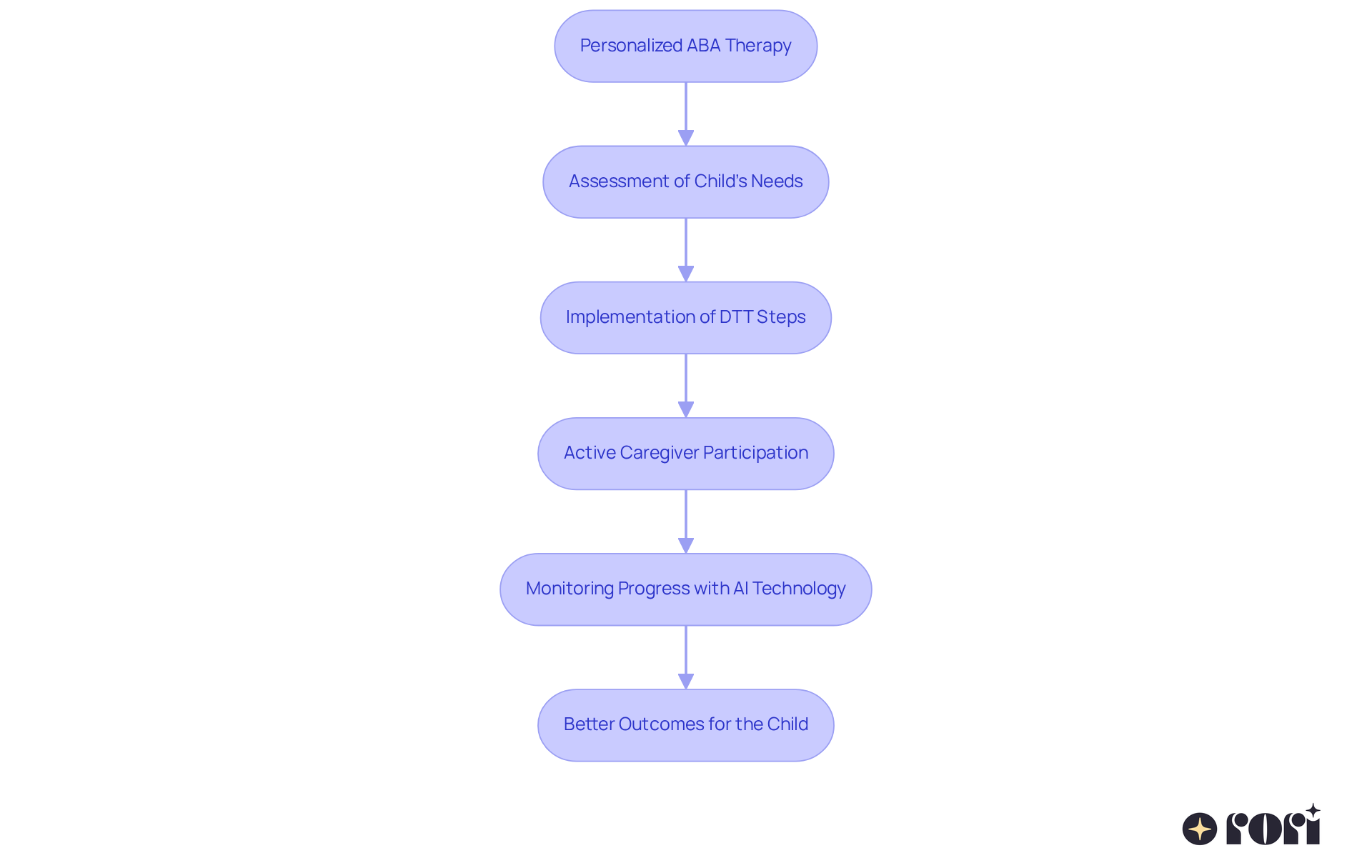
At Rori Care, we understand that every child is unique, and that’s why we take a personalized approach to ABA therapy using in . This method breaks down skills into manageable DTT steps, enabling our therapists to customize interventions based on each child’s . Our world-class clinicians are here to support your family with comprehensive and compassionate treatment. We want to ensure that every young person receives that truly enhances their learning experiences and outcomes.
Did you know that kids who start DTT steps early, especially with , often see better results over time? It’s true! And when the DTT steps are implemented with fidelity, a remarkable 90% of individuals make —especially when recommended hours are fully utilized with active caregiver participation. Our innovative care engine uses advanced to conduct functional analyses of target actions and abilities, generating automatic progress reports for clinician review. This not only boosts the efficiency of therapy but also frees up 50% more time for hands-on treatment.
This dedication to individualized support not only encourages knowledge acquisition but also empowers families to actively engage in their child’s developmental journey. We believe that , and it’s essential to pay attention to them. So, let’s explore this together! We’re here to help you every step of the way!
Identify Target Skill: Establishing Clear Learning Objectives
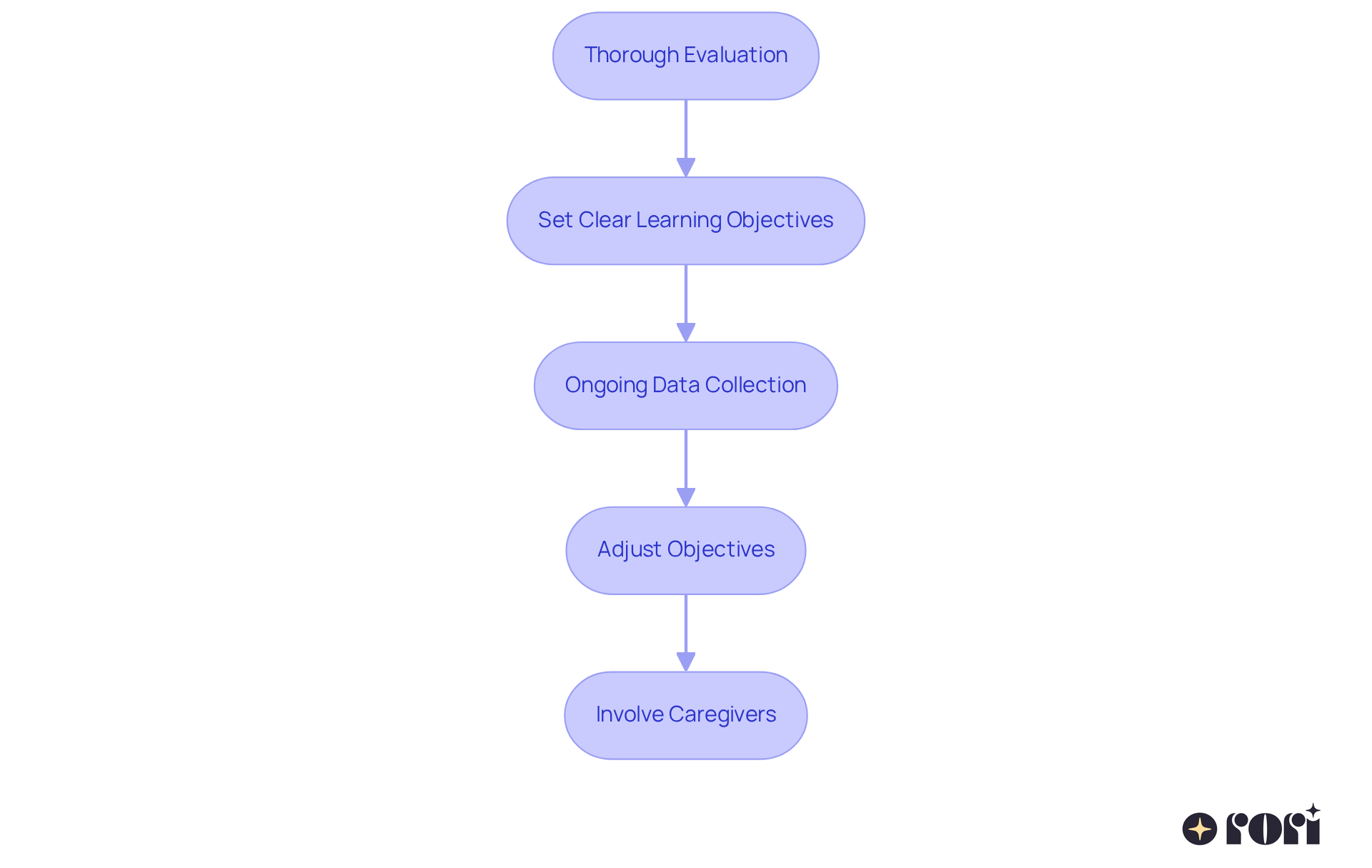
The first of the DTT steps in implementing is to identify the that need instruction. This begins with a to understand the individual’s current abilities and highlight areas for improvement. Setting clear, is essential, as it provides a roadmap for the DTT steps involved in the teaching process. These objectives ensure that both the therapist and the child are on the same page about the goals for each session, creating a .
Learning specialists emphasize that well-defined educational goals not only enhance the effectiveness of interventions but also empower children by clarifying expectations. Successful assessments for autism intervention should include to track progress and adjust objectives as necessary. Our behavior care engine keeps things up-to-date by automatically revising intervention and skill acquisition plans based on progress report data. This ensures that treatment plans are to each child’s unique needs.
When combined with , this approach leads to , social skills, and independent functioning. Let’s explore this together! We’re here to help you every step of the way!
Prepare Materials and Reinforcers: Setting Up for Success
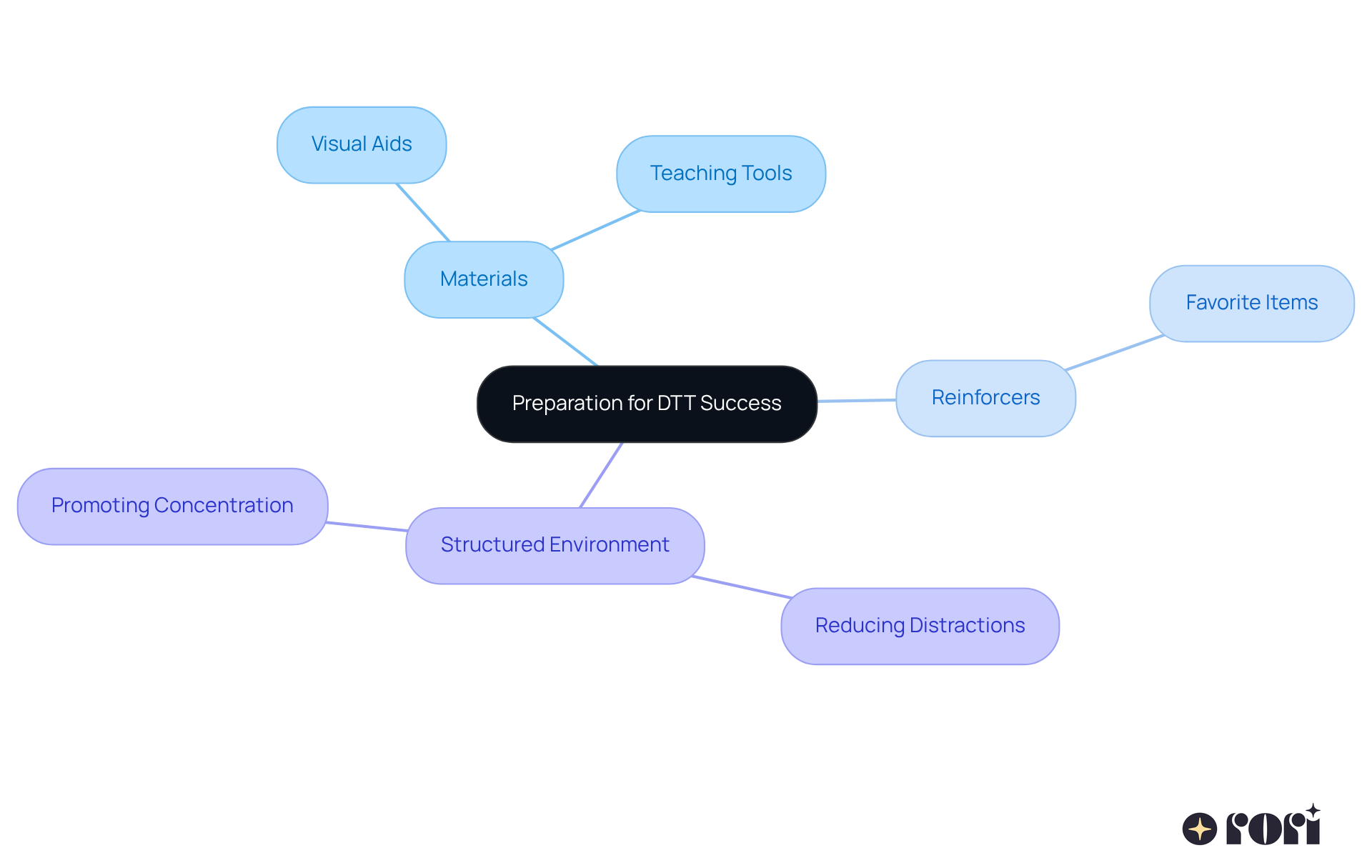
Effective preparation is so important before starting the in a session! Gathering all the necessary materials, like visual aids, teaching tools, and those favorite items that can be used as reinforcers, makes a big difference. Research shows that using reinforcers can really boost the , helping young individuals feel more motivated to participate and learn.
Creating a helps . Instructors often point out that , as they promote concentration and enhance the overall learning experience. By thoughtfully arranging the environment for the DTT steps, practitioners can significantly improve the chances of and meaningful participation during each session. Let’s explore this together and see how we can make the most of these opportunities!
Deliver Clear Instructions: Enhancing Communication Clarity
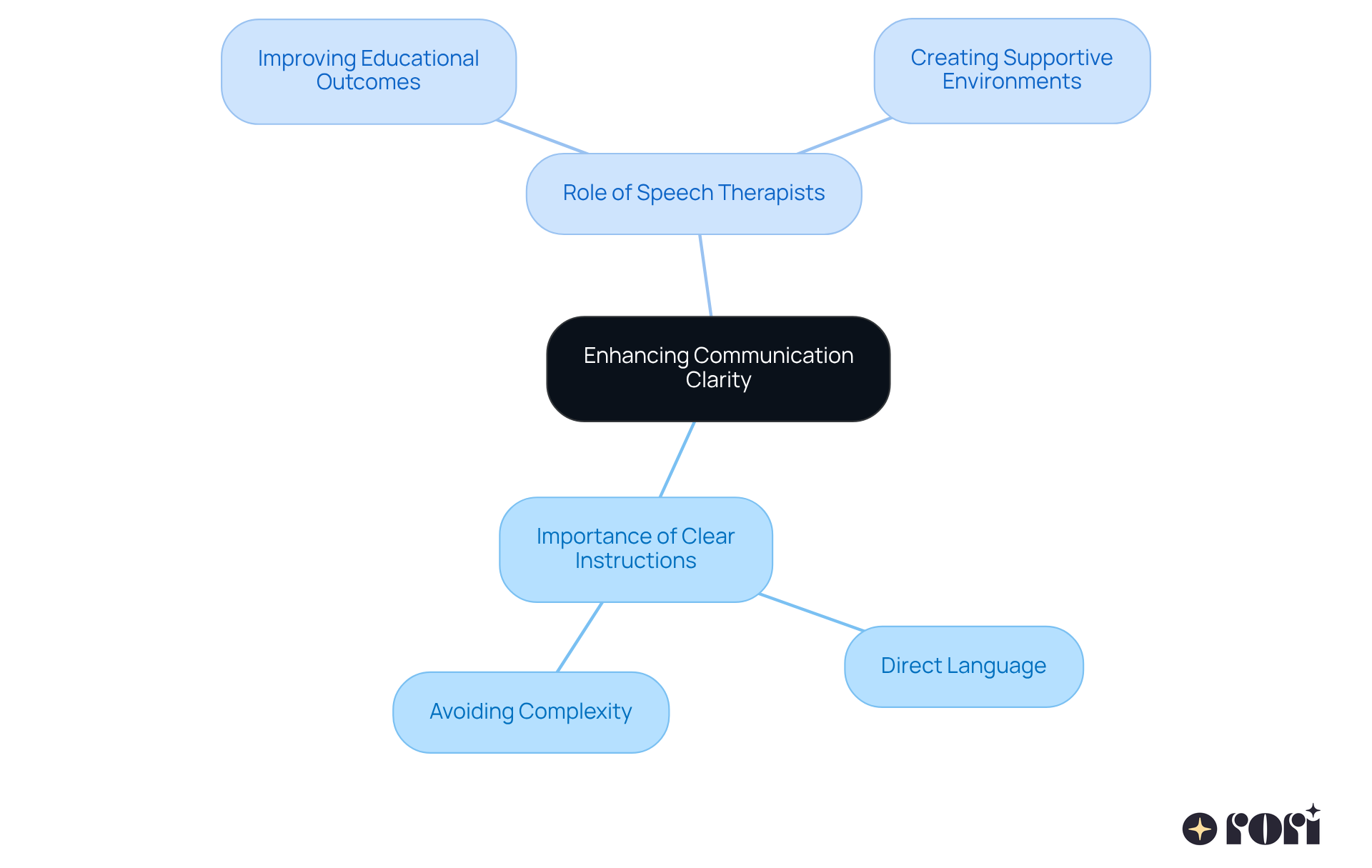
are crucial in the for individuals with autism. Think about it: instructions should be , avoiding any complex language that might cause confusion. For example, instead of saying, ‘Can you point to the cat?’, a more would be, ‘Point to the cat.’ This straightforward approach not only clarifies what we expect but also greatly helps the student understand and respond better, leading to more through DTT steps.
Speech therapists often emphasize that using is key to improving for individuals with autism. By focusing on clarity, therapists can create a that encourages understanding and progress. Let’s explore this together!
Reinforce Correct Responses Immediately: Boosting Motivation
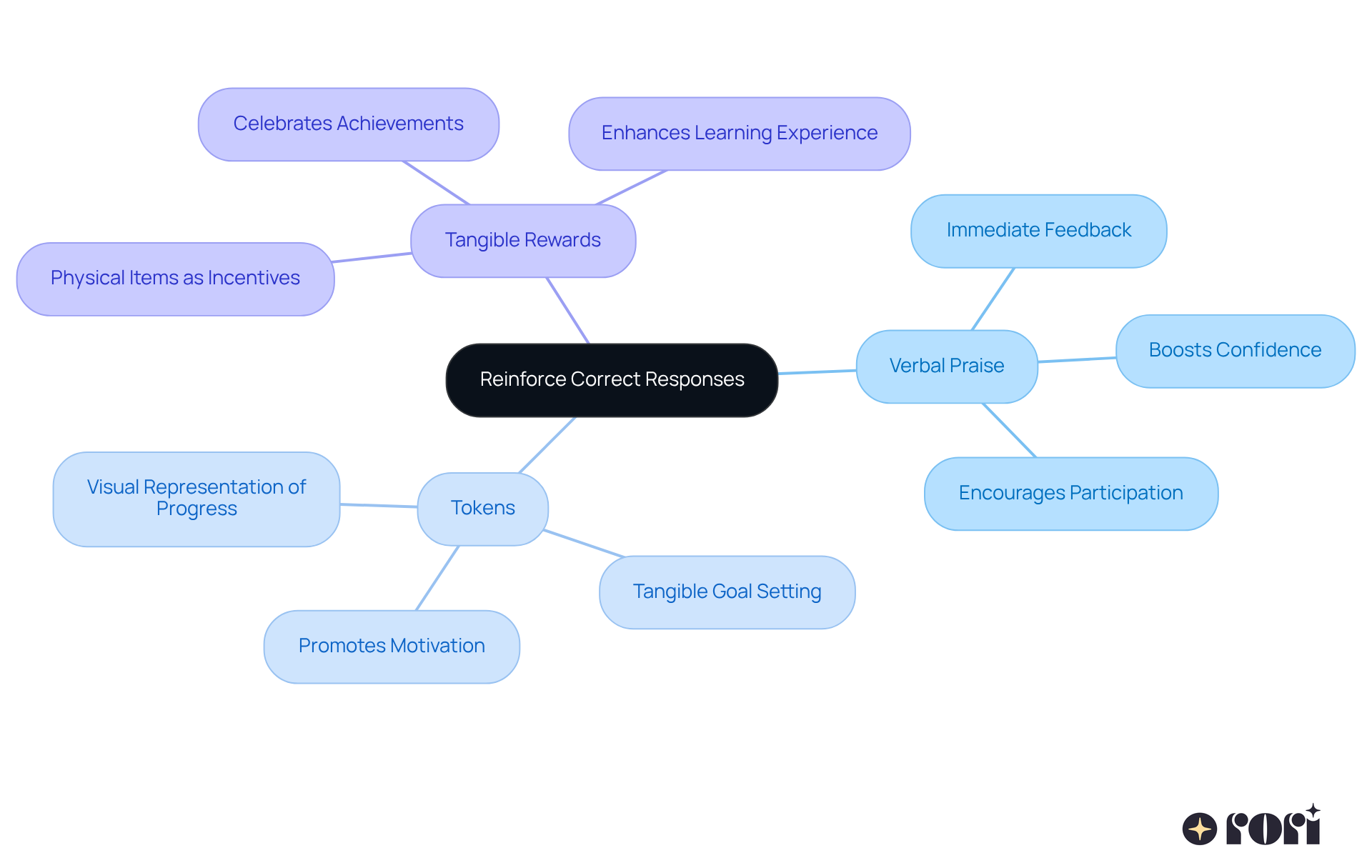
In , it’s super important to follow to reinforce correct responses right away! You can do this through fun methods like:
- Verbal praise
- Tokens
- Tangible rewards
Research shows that when kids get , it really boosts their motivation, helping them link their accurate responses to positive outcomes. This connection not only encourages active participation but also creates a more .
By using alongside DTT steps, therapists can elevate motivation levels, leading to better results in . that understanding each child’s is key for effective therapy. This makes reinforcement a in the learning process. Let’s explore this together and see how we can make a difference!
Correct Incorrect Responses Promptly: Facilitating Learning Through Feedback
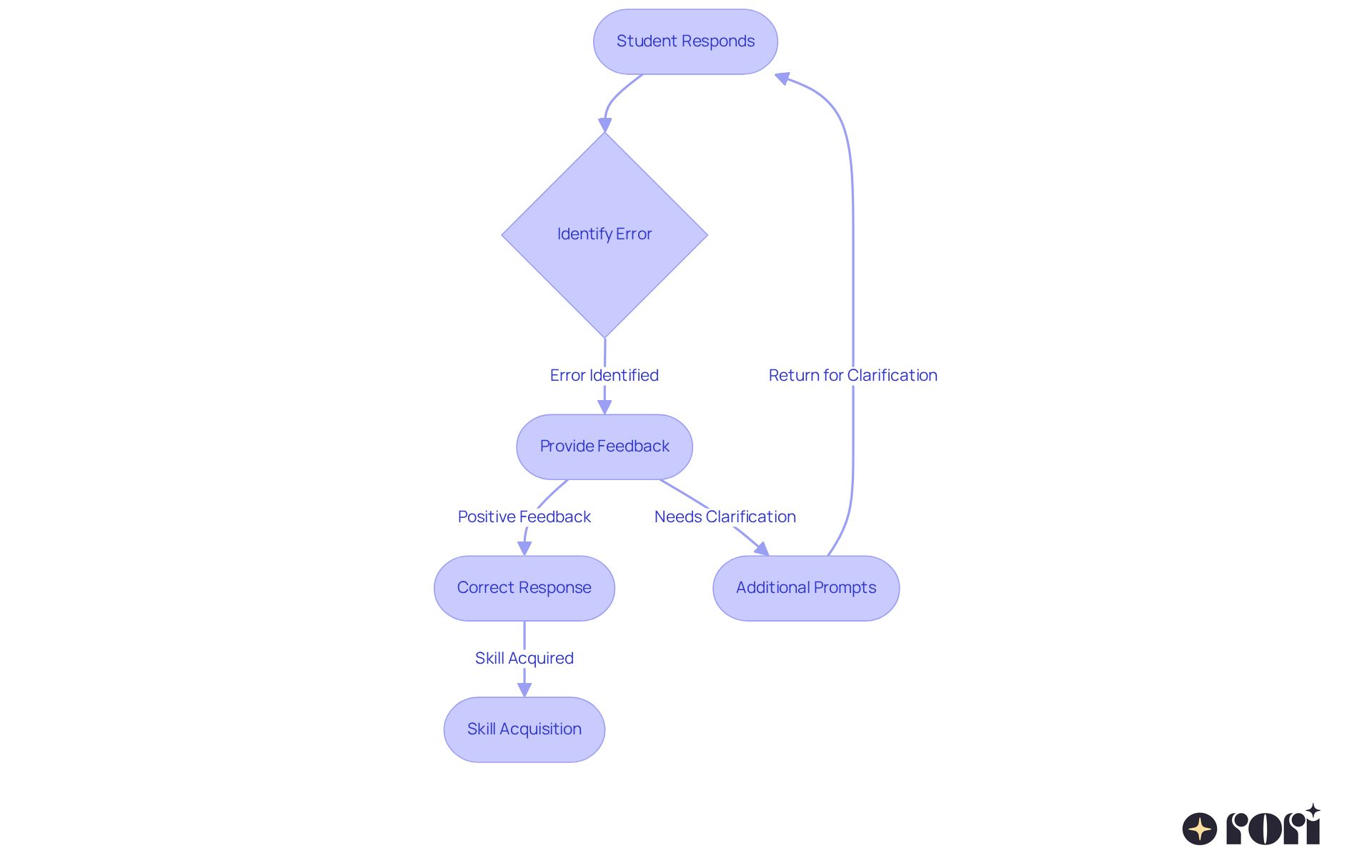
Quickly addressing erroneous answers is crucial in nurturing a productive educational atmosphere for individuals with autism. This process might involve gently guiding the student toward the correct answer or offering additional prompts to clarify misunderstandings. The main goal here is to help the child recognize their mistakes and understand how to improve, .
Research shows that can significantly enhance skill acquisition and retention in , a tailored approach based on the science of education and behavior. By incorporating organized data gathering techniques, including like , we can boost educational outcomes by reinforcing correct responses while addressing errors.
Educators emphasize that viewing errors as part of the learning process fosters resilience and motivation in youngsters. As one educator beautifully put it, ‘Feedback is not just about correction; it’s about .’ By creating an environment where feedback is constructive and uplifting, caregivers and educators can empower young individuals to thrive and develop essential skills.
This empowerment is further supported by equipping caregivers with ABA principles, strategic alignment, and —key elements for . Plus, consistent data collection is vital in ABA therapy, as it helps us understand the effectiveness of our feedback and correction methods. Parents are encouraged to actively participate in providing , reinforcing the idea that mistakes are simply opportunities for growth. Let’s explore this together!
Keep Trials Fast-Paced and Engaging: Maintaining Child Interest
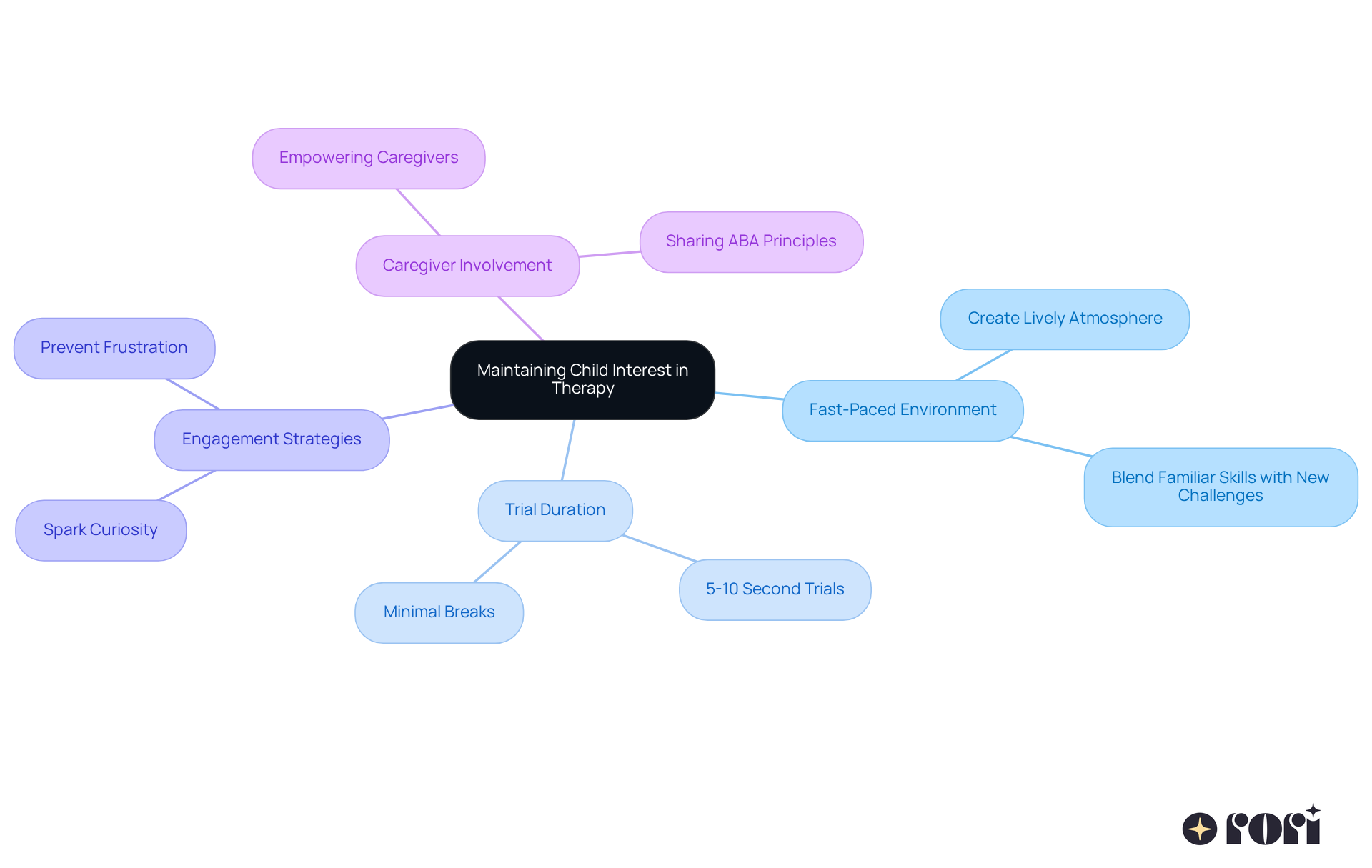
To keep a young person’s interest during , it’s essential to create a fast-paced and lively environment. Each trial should ideally last just 5 to 10 seconds, with minimal breaks to keep the energy up. By blending familiar skills with new challenges, therapists can spark the young individual’s curiosity and prevent frustration—both key ingredients for motivation!
Research shows that young individuals who participate in 25 to 40 hours of each week for one to three years can develop . This leads to impressive improvements in cognitive abilities and social interactions. Plus, highlight that incorporating DTT steps in not only boosts engagement but also helps kids master skills more quickly, resulting in better therapy outcomes. This aligns with the idea that children with autism thrive in , where their focus can be harnessed for learning.
It’s also important to involve . By sharing ABA principles and strategies with them, we empower them to support their child’s behavioral goals effectively. The plays a crucial role here, updating intervention and skill acquisition plans based on progress reports to ensure that treatment remains flexible and effective. This teamwork not only enhances outcomes but also underscores the significance of a vibrant and engaging learning atmosphere.
Let’s explore this together! Your involvement can make a world of difference for your child’s . We’re here to help you every step of the way!
Collect and Analyze Data: Driving Data-Driven Decisions
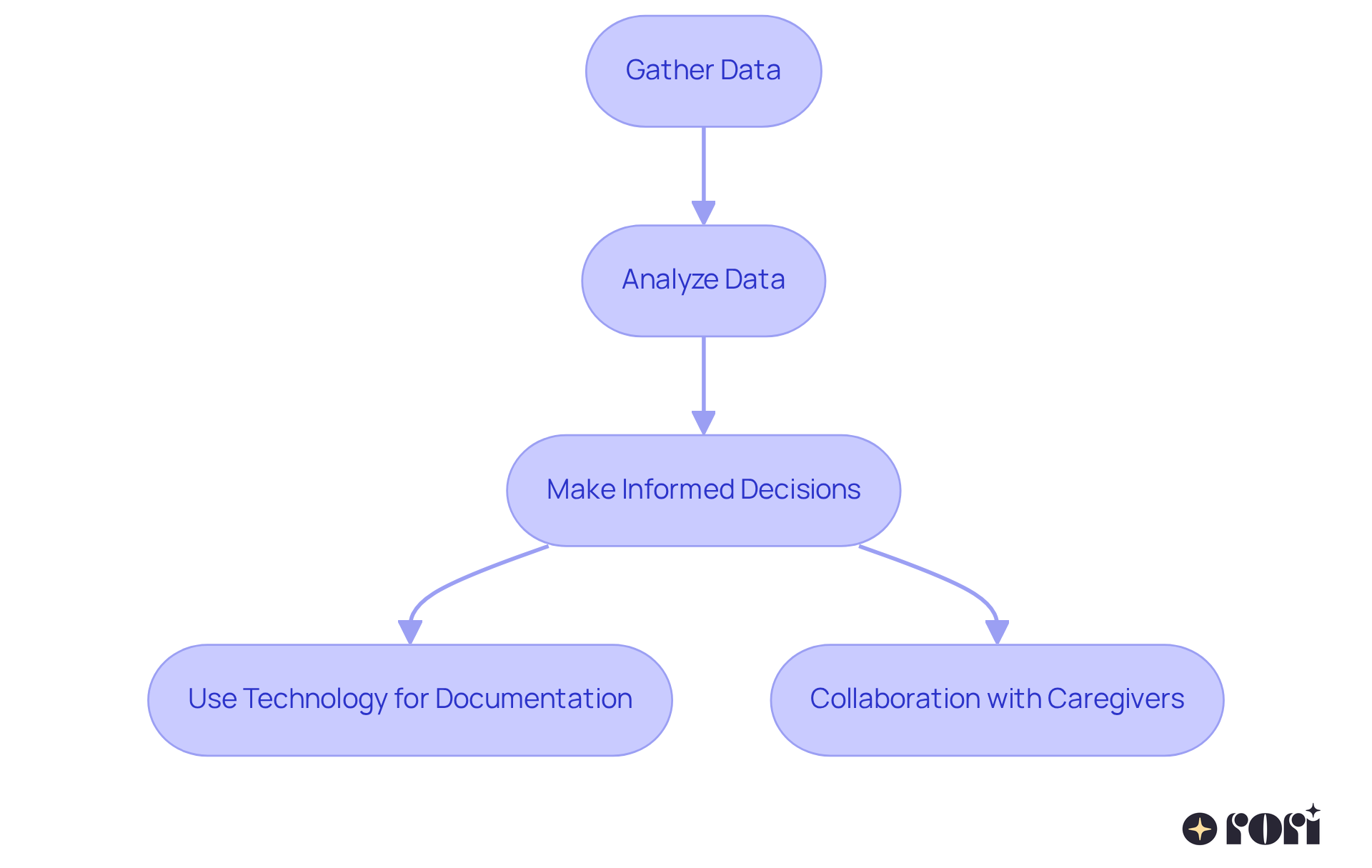
Gathering and examining data during the is essential for assessing a student’s progress and effectively. Think of it as a way to track what works and what doesn’t—like keeping score in a game! By meticulously noting correct and incorrect responses, and evaluating the impact of different reinforcers, therapists can implement DTT steps to make informed adjustments that keep the intervention effective and responsive to each child’s evolving needs.
Clinicians really emphasize how important is for optimizing DTT steps in . It’s all about making that enhance treatment efficacy. Successful strategies often involve using technology for accurate documentation and encouraging . This teamwork is vital for reinforcing learning at home, giving caregivers the tools they need to .
By prioritizing , practitioners can significantly improve the outcomes of autism therapy. Let’s explore this together! When caregivers are equipped with , they can effectively support their children, helping them achieve their developmental goals. Remember, we’re here to help you every step of the way!
Promote Generalization: Ensuring Skills Transfer Across Contexts
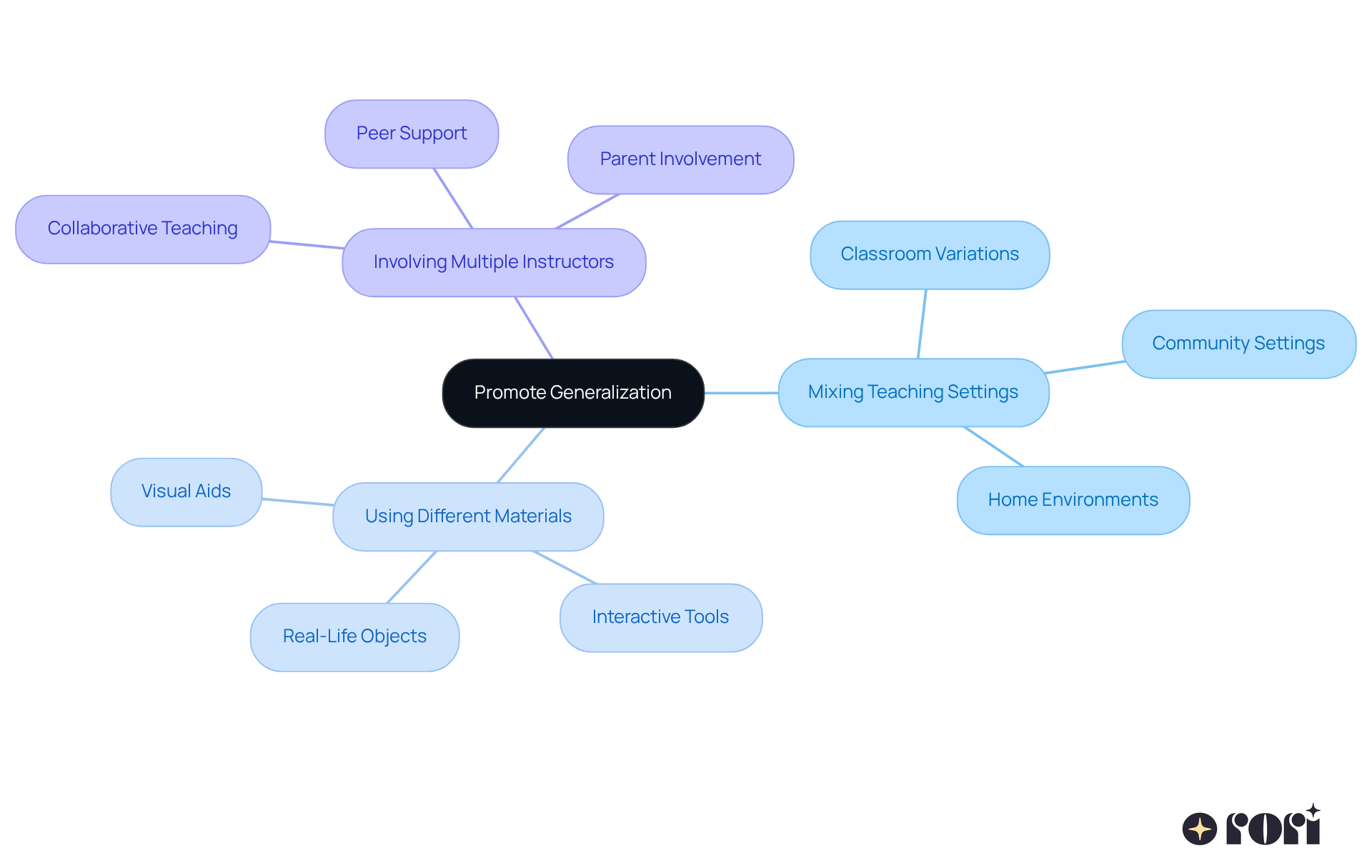
Encouraging generalization is crucial for ensuring that the skills learned through are effectively utilized in various situations. To make this happen, we need to create a variety of teaching environments. This can be done by:
- Mixing up the
- Using different materials
- Having multiple instructors involved
Research shows that classrooms with varied see significantly better outcomes, and 73% of educators agree that benefits all students.
By including various situations, young individuals can practice their skills in real-life contexts, which is key to . As behavior analyst Cecelia M. McCarton highlights, the true measure of successful instruction is how well . Plus, strategies like programming common stimuli and teaching loosely can really help with this transfer, making sure children can use what they’ve learned in therapy during everyday interactions.
Experts in the field emphasize the . One analyst pointed out that generalization shouldn’t just be a ‘train and hope’ method, stressing the need for intentional strategies to encourage . By using these methods, therapists can significantly boost the effectiveness of DTT steps, which helps individuals with autism thrive in various areas of their lives. Let’s explore this together!
Manage Challenging Behaviors: Strategies for Effective DTT Sessions
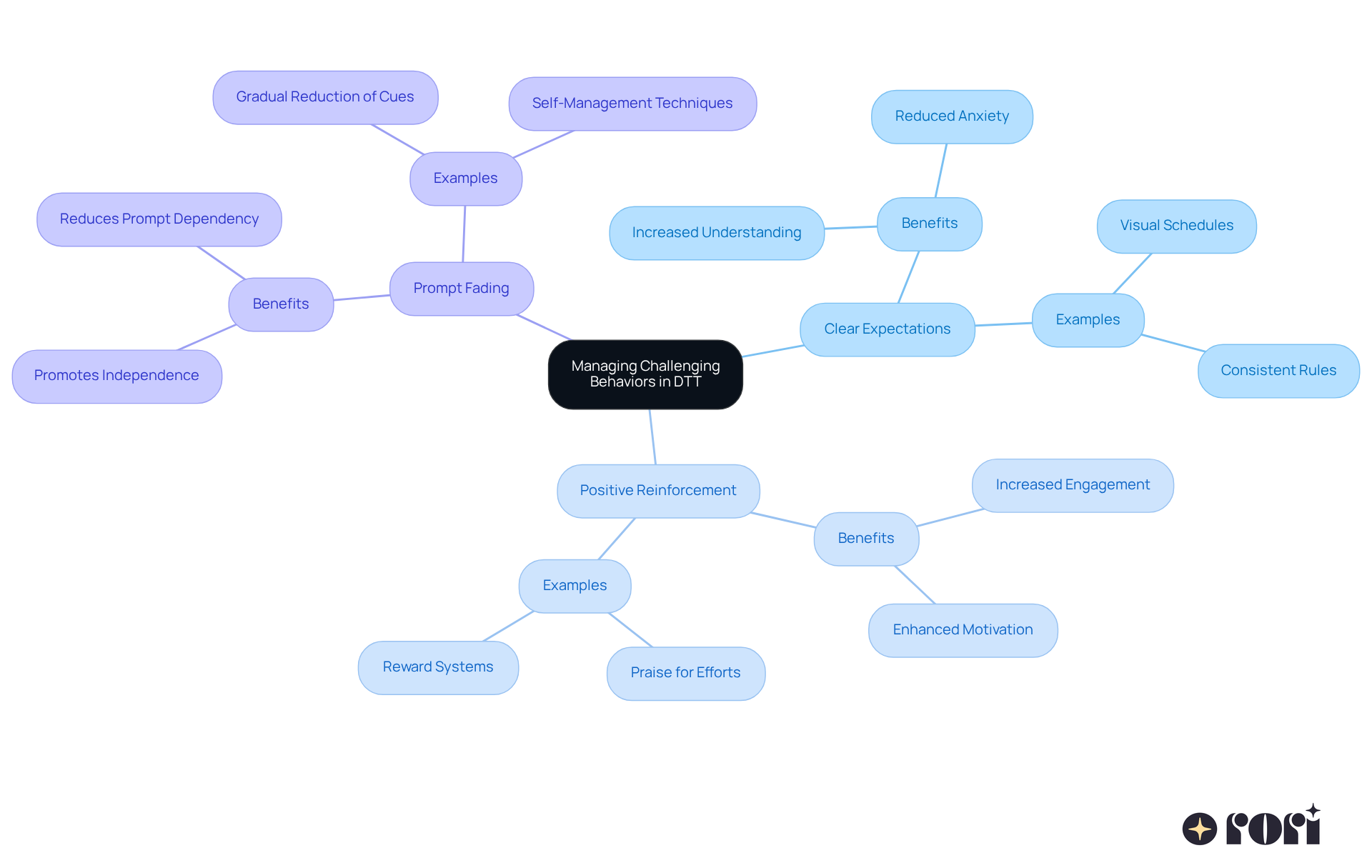
Managing challenging behaviors during the can feel daunting, but a proactive and flexible approach can make all the difference! 🌟 Establishing clear expectations, using , and applying systematic prompt fading are key strategies that truly resonate with each child’s unique needs. These methods are grounded in evidence-based practices, and they work wonders!
Did you know that is crucial? Research shows that children receiving before age four often experience —around 50% make real advancements! Isn’t that encouraging? Plus, organized settings that emphasize consistency can greatly enhance outcomes for individuals with autism.
Understanding the triggers behind challenging behaviors is super important. This insight helps therapists adapt their methods, minimizing disruptions and creating a smoother learning experience. By fostering a , therapists can really boost the effectiveness of DTT steps, leading to more positive learning moments and better long-term results for our little ones.
Remember, integrating , , and ongoing evaluation means every session can be tailored to your child’s progress. This not only empowers caregivers with valuable ABA principles and strategies but also ensures effective behavioral support. Let’s explore this together! We’re here to !
Conclusion
The implementation of Discrete Trial Training (DTT) in autism intervention is truly a game-changer! It emphasizes personalized, structured support that’s tailored to each child’s unique needs. By breaking down skills into manageable steps, DTT not only boosts learning outcomes but also empowers families to actively participate in their child’s development, creating a collaborative environment for growth.
Throughout this article, we’ve highlighted essential DTT steps like:
- Identifying target skills
- Preparing materials
- Delivering clear instructions
- Reinforcing correct responses
Each step is crucial in fostering effective communication, motivation, and engagement. This ultimately leads to significant progress in various developmental areas for children with autism. Plus, we can’t forget the importance of data collection and analysis, which helps clinicians make informed decisions that adapt interventions to the evolving needs of each child.
In conclusion, the strategies we’ve discussed really underscore the significance of a personalized and data-driven approach in autism intervention. By actively involving caregivers and promoting the generalization of skills across different contexts, we greatly enhance the potential for meaningful, long-lasting improvements in a child’s life. Embracing these essential DTT steps not only paves the way for successful interventions but also fosters a supportive community where every child can thrive. Let’s explore this journey together, and remember, we’re here to help you every step of the way!
Frequently Asked Questions
What is Rori Care’s approach to ABA therapy?
Rori Care takes a personalized approach to ABA therapy using Discrete Trial Training (DTT) steps, which breaks down skills into manageable parts tailored to each child’s individual strengths and challenges.
What benefits do children experience from starting DTT steps early?
Children who start DTT steps early, particularly with intensive therapy, often see better results over time, with a remarkable 90% of individuals making significant progress when DTT steps are implemented with fidelity and recommended hours are fully utilized.
How does Rori Care utilize technology in their therapy?
Rori Care employs an innovative care engine using advanced AI technology to conduct functional analyses of target actions and abilities, generating automatic progress reports for clinician review, which boosts therapy efficiency and allows for more hands-on treatment time.
Why is identifying target skills important in DTT?
Identifying target skills is crucial as it establishes clear learning objectives, providing a roadmap for the DTT steps involved in teaching. This ensures that both the therapist and the child understand the goals for each session, leading to a focused learning environment.
How does Rori Care ensure flexibility in treatment plans?
Rori Care’s behavior care engine automatically revises intervention and skill acquisition plans based on progress report data, ensuring that treatment plans remain flexible and responsive to each child’s unique needs.
What role do caregivers play in the DTT process?
Active caregiver involvement is emphasized as it leads to better outcomes in communication, social skills, and independent functioning, enhancing the overall effectiveness of the interventions.
How should materials and reinforcers be prepared for DTT sessions?
Effective preparation involves gathering necessary materials like visual aids and teaching tools, as well as favorite items as reinforcers, which can motivate young individuals to participate and learn. A well-structured environment also helps reduce distractions for better focus.
What is the significance of a well-structured environment during DTT?
A well-structured environment promotes concentration and enhances the overall learning experience for children with autism, significantly improving the chances of successful educational outcomes during DTT sessions.
List of Sources
- Rori Care – ABA Therapy: Personalized DTT Implementation for Autism
- amazeaba.com (https://amazeaba.com/discrete-trial-training-in-aba-what-you-need-to-know)
- What Are ABA Therapy Quotes? Understanding Their Role and Importance – Rori Blog (https://rori.care/post/what-are-aba-therapy-quotes-understanding-their-role-and-importance)
- Comparing the Effectiveness of Discrete Trial Training Delivered via Telehealth and In-Person on Skill Acquisition – PMC (https://pmc.ncbi.nlm.nih.gov/articles/PMC11461439)
- Quotes About Autism – Arms Wide Open ABA Therapy (https://armswideopenaba.com/blog/quotes-about-autism)
- Identify Target Skill: Establishing Clear Learning Objectives
- Best Autism Quotes to Raise Awareness and Understanding (https://yellowbusaba.com/post/autism-quotes)
- Inspirational ABA and Autism Quotes – Mrs. Moe’s Modifications (https://mrsmoesmodifications.com/inspirational-aba-and-autism-quotes)
- The Best Autism Quotes (https://adinaaba.com/post/autism-quotes)
- rori.care (https://rori.care/post/dtt-sessions-checklist-key-steps-to-ensure-correct-responding)
- Prepare Materials and Reinforcers: Setting Up for Success
- The Significance of Statistics in ABA Therapy | All Star ABA (https://allstaraba.org/statistics-in-aba-therapy)
- goldstarrehab.com (https://goldstarrehab.com/parent-resources/aba-therapy-and-differential-reinforcement)
- Patient Outcomes After Applied Behavior Analysis for Autism Spectrum Disorder – PMC (https://pmc.ncbi.nlm.nih.gov/articles/PMC8702444)
- supportivecareaba.com (https://supportivecareaba.com/statistics/autism-therapy-statistics)
- 81 ABA Therapy Statistics You Need to Know – apricott ABA (https://apricott.com/resources/aba-therapy-statistics)
- Deliver Clear Instructions: Enhancing Communication Clarity
- brighterstridesaba.com (https://brighterstridesaba.com/blog/autism-quotes-quotes-that-illuminate-the-world-of-autism)
- Best Inspirational Autism Quotes (https://ambitionsaba.com/resources/autism-quotes)
- The Numbers Don’t Lie: Revealing Autism Therapy Statistics | Above and Beyond Therapy (https://abtaba.com/blog/autism-therapy-statistics)
- Reinforce Correct Responses Immediately: Boosting Motivation
- astraaba.com (https://astraaba.com/blog/30-autism-motivation-quotes)
- 50 Applied Behavior Analysis Quotes for Autism (https://everydaypower.com/applied-behavioral-analysis-quotes)
- Inspirational ABA and Autism Quotes – Mrs. Moe’s Modifications (https://mrsmoesmodifications.com/inspirational-aba-and-autism-quotes)
- 20 Inspiring Quotes About Autism Every Parent Must Read Today (https://circlecareservices.com/20-quotes-about-autism-and-parenting)
- Correct Incorrect Responses Promptly: Facilitating Learning Through Feedback
- Best Autism Quotes to Raise Awareness and Understanding (https://yellowbusaba.com/post/autism-quotes)
- howtoaba.com (https://howtoaba.com/error-correction-procedure-and-transfer-trial)
- mastermindbehavior.com (https://mastermindbehavior.com/post/how-to-implement-discrete-trial-training-dtt-in-aba-therapy)
- learnfromautistics.com (https://learnfromautistics.com/quotes-school-autistic-people)
- Keep Trials Fast-Paced and Engaging: Maintaining Child Interest
- ABA Therapist Statistics & Demographics In The US (https://crossrivertherapy.com/aba-therapy-success-rates)
- Inspirational ABA and Autism Quotes – Mrs. Moe’s Modifications (https://mrsmoesmodifications.com/inspirational-aba-and-autism-quotes)
- The Impact of ABA Therapy on Long-Term Outcomes for Children with Autism (https://supportivecareaba.com/statistics/the-impact-of-aba-therapy-on-long-term-outcomes-for-children-with-autism)
- risingaboveaba.com (https://risingaboveaba.com/autism-blog/dtt-and-early-intervention-what-parents-need-to-know)
- Collect and Analyze Data: Driving Data-Driven Decisions
- The Significance of Statistics in ABA Therapy | All Star ABA (https://allstaraba.org/statistics-in-aba-therapy)
- prosperahealthcare.com (https://prosperahealthcare.com/data-collection-aba-therapy)
- discoveryaba.com (https://discoveryaba.com/aba-therapy/the-importance-of-data-collection-in-aba-therapy-cec7b?8936781b_page=3)
- The Role of Data Collection in ABA Therapy Progress Tracking (https://mastermindbehavior.com/post/the-role-of-data-collection-in-aba-therapy-progress-tracking)
- What Are ABA Therapy Quotes? Understanding Their Role and Importance – Rori Blog (https://rori.care/post/what-are-aba-therapy-quotes-understanding-their-role-and-importance)
- Promote Generalization: Ensuring Skills Transfer Across Contexts
- Improving the Generalization of Skills in Learners with Autism (https://autismspectrumnews.org/improving-the-generalization-of-skills-in-learners-with-autism)
- kidsclubaba.com (https://kidsclubaba.com/autism-quotes)
- Best Autism Quotes to Raise Awareness and Understanding (https://yellowbusaba.com/post/autism-quotes)
- How ABA Therapy Helps with the Generalization of Skills Across Environments (https://supportivecareaba.com/statistics/how-aba-therapy-helps-with-the-generalization-of-skills-across-environments)
- Manage Challenging Behaviors: Strategies for Effective DTT Sessions
- supportivecareaba.com (https://supportivecareaba.com/statistics/autism-therapy-statistics)
- Autism Therapy Statistics (https://goldenstepsaba.com/resources/autism-therapy-statistics)
- 10 Great Quotes on Promoting Positive Behavior – Brookes Blog (https://blog.brookespublishing.com/10-great-quotes-on-promoting-positive-behavior)
- ybgr.org (https://ybgr.org/17-quotes-on-coaching-kids-through-behaviors)
- 81 ABA Therapy Statistics You Need to Know – apricott ABA (https://apricott.com/resources/aba-therapy-statistics)