

Introduction
Understanding the unique needs of individuals with autism is so important when it comes to creating effective therapeutic approaches. By tapping into personal interests – like a child’s love for trains or dinosaurs – therapists can really boost engagement. This leads to sessions that are not just productive but also enjoyable!
But here’s the big question: how can caregivers and clinicians weave these interests into therapy to get the best results? 🤔 This article dives into the amazing potential of interest-based engagement in autism therapy. We’ll explore strategies that not only spark motivation and skill development but also strengthen the bond between parents and clinicians, paving the way for holistic growth.
Let’s explore this together!
Recognize the Importance of Individual Interests in Autism
Understanding the unique needs of individuals with autism is so important for creating effective treatment approaches. Think about it: when therapists focus on enhancing engagement through individual interests in autism, it opens the door to connection. For instance, if a child loves trains, incorporating train-themed activities into therapy can really spark their motivation and participation.
Studies show that when kids engage in activities they enjoy, they often feel less anxious and have more fun, leading to better therapeutic outcomes. By acknowledging these interests, therapists can foster a supportive environment that focuses on enhancing engagement through individual interests in autism, thereby encouraging learning and growth. Plus, research indicates that enhancing engagement through individual interests in autism not only boosts prosocial behavior but also helps to reduce negative behaviors. It’s a win-win!
What’s even more interesting is that tends to be more effective than just situational interests. This highlights how crucial it is to tailor therapy to each child’s unique preferences, thereby enhancing engagement through individual interests in autism. At Rori Care, we pride ourselves on individualized planning, ensuring that every behavioral plan is crafted to fit the specific needs, strengths, challenges, and goals of each client.
This personalized approach not only fosters engagement but also focuses on enhancing engagement through individual interests in autism, empowering children to thrive in their therapeutic journeys. We set clear, measurable goals for behavior change and skill development, giving families a transparent way to track progress. Our behavior analysts use evidence-based strategies grounded in the latest research, ensuring we apply the most effective methods for behavior change.
And we don’t stop there! We continuously monitor each child’s progress and responsiveness to the intervention, making adjustments as needed to optimize outcomes. Let’s explore this together and see how we can support your child’s journey!

Implement Strategies to Incorporate Interests into Therapy
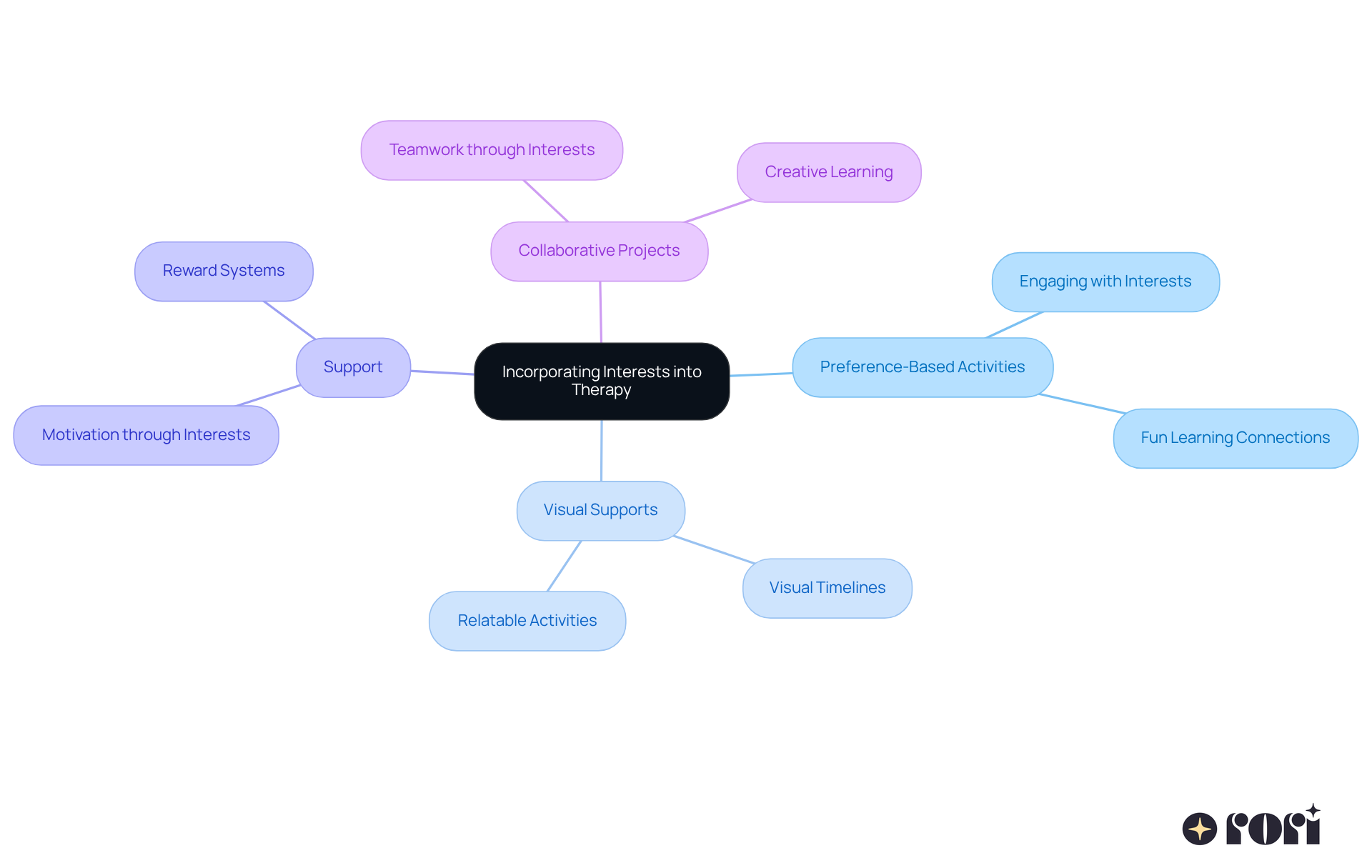
Integrating personal preferences into therapy is crucial for enhancing engagement through individual interests in autism! Here are some friendly strategies therapists can use:
- Preference-Based Activities: Think about activities that highlight what the individual loves. For example, if a child is into dinosaurs, why not use dinosaur-themed games to teach social skills or language? It’s a fun way to connect learning with their interests!
- Visual Supports: Creating that include the young person’s preferences can help them anticipate and engage in activities they enjoy. It’s all about making things relatable and exciting!
- Support: Use their interests as a way to motivate them. For instance, if a child completes a task, they could earn some time to dive into their favorite activity. It’s a great way to encourage progress!
- Collaborative Projects: Encourage projects that tap into the student’s interests, like building a model related to their favorite subject. This not only makes learning fun but also fosters teamwork.
By using these strategies, therapists can achieve their goal of enhancing engagement through individual interests in autism, thereby creating a more engaging and effective therapeutic experience. Plus, when caregivers are empowered with ABA principles and strategies, they can actively support their child’s behavioral goals. This partnership leads to better outcomes for everyone involved!
Let’s explore this together! We’re here to help you every step of the way!
Explore Benefits of Interest-Based Engagement in Therapy
Engaging children with autism can be transformative by enhancing engagement through individual interests in autism! 🌟 Here’s why:
- Increased Motivation: When therapy revolves around what kids love, they’re way more likely to jump in and participate. Research shows that interest-based interventions can really boost motivation, leading to better learning outcomes. For instance, personal preferences can double the effectiveness of interventions compared to just situational ones. So, if caregivers can spot what their kids are into and work with therapists to weave those interests into sessions, it’s a win-win!
- Improved Social Skills: Activities that tap into a child’s interests can spark social interactions. Kids are more likely to connect with peers who share similar passions. Think about a child who loves video games – they might find it easier to bond with others during gaming sessions, which can really help build friendships. Caregivers can encourage playdates or group activities centered around these hobbies to nurture those social connections.
- Enhanced Emotional Regulation: Focusing on what a child loves can provide comfort and reduce anxiety, creating a supportive learning environment. This emotional backing is crucial, as it helps kids . Caregivers can help by creating a calming space that includes their child’s favorite activities, which can be used during sessions to ease anxiety.
- Skill Development: When interests are incorporated into treatment, kids can develop a range of skills – like communication, problem-solving, and critical thinking. By honing in on what excites the young learner, therapists can create a more impactful educational experience. Plus, parent training programs can equip families with practical skills and strategies to support their child’s involvement in treatment, leading to better behavioral outcomes.
Overall, enhancing engagement through individual interests in autism treatment not only boosts motivation but also supports holistic development, making the process more engaging and effective. As Temple Grandin beautifully said, “I am different, not less,” reminding us of the unique strengths that can shine through personalized approaches. Let’s explore this together!

Foster Collaboration Between Parents and Clinicians
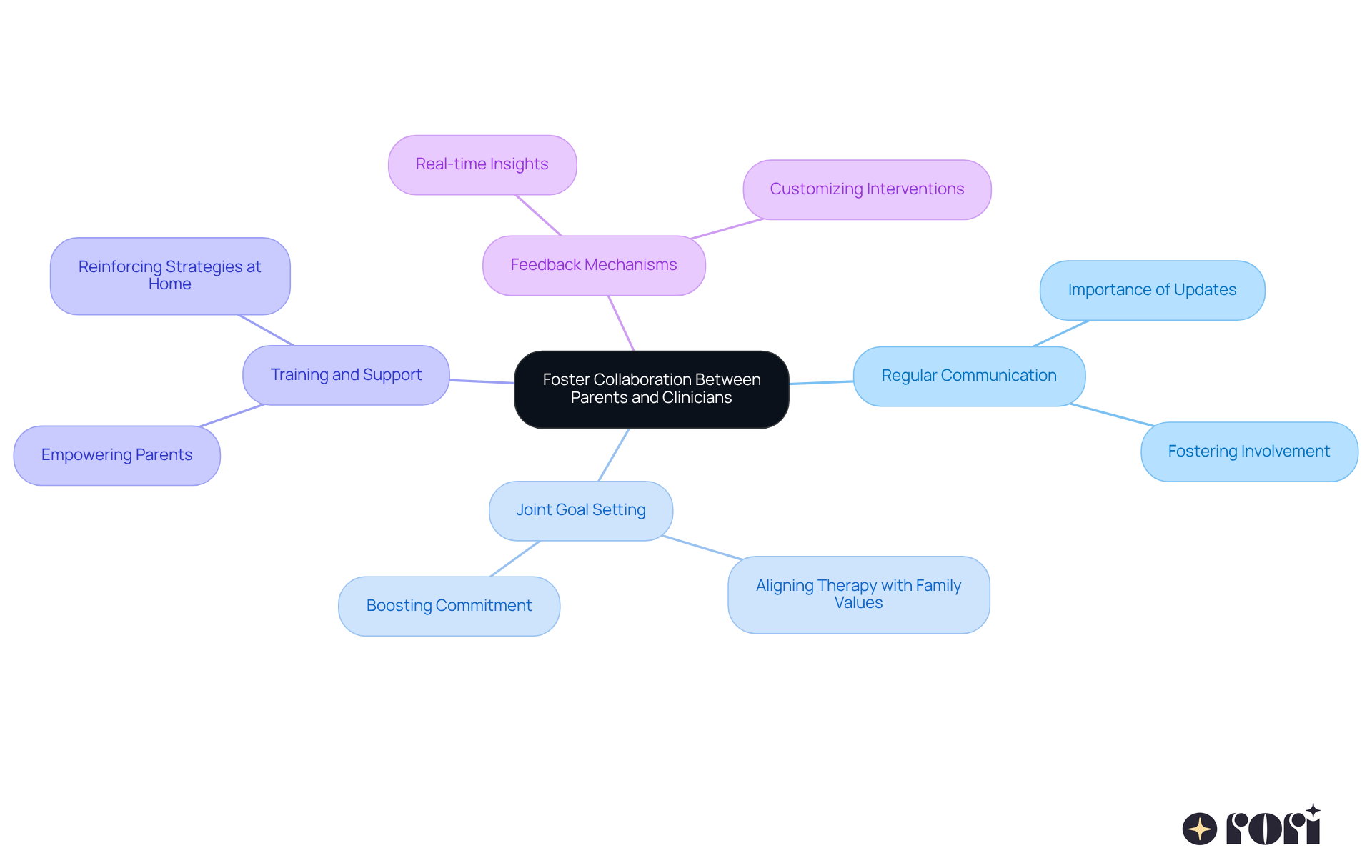
Collaboration between parents and clinicians is key to successful autism therapy. Let’s explore some effective strategies to strengthen this partnership:
- Regular Communication: Keeping those lines of communication open between parents and therapists is so important! Regular updates on progress and challenges not only foster a sense of involvement but also keep parents in the loop about their child’s development.
- Joint Goal Setting: When parents are involved in setting goals, it ensures that therapy aligns with the family’s values and priorities. This collaborative approach boosts commitment to the treatment plan, making it feel more relevant and effective.
- Training and Support: Offering parents training on how to reinforce therapeutic strategies at home empowers them to support their child’s learning in everyday situations. This active involvement can really enhance treatment outcomes!
- Feedback Mechanisms: Creating chances for parents to share their thoughts on treatment sessions allows clinicians to adjust their approaches based on real-time insights. This responsiveness helps customize interventions to better meet each child’s unique needs.
By fostering collaboration, therapists can create a more supportive and effective therapeutic environment. This ultimately contributes to through individual interests in autism and progress in therapy. Remember, we’re here to help you every step of the way!
Conclusion
Enhancing engagement through individual interests in autism therapy isn’t just a technique; it’s a heartfelt approach that truly recognizes the unique preferences of each child. When therapists tailor interventions to what captivates a child, they can build deeper connections. This not only boosts motivation but also creates a supportive environment where children can really thrive.
Key insights highlight how crucial it is to weave personal interests into therapy. Think about strategies like preference-based activities, visual supports, and collaborative projects – they’ve been shown to significantly enhance engagement! Plus, the partnership between parents and clinicians is vital. Open communication and joint goal-setting foster a sense of teamwork and commitment, making therapy more relevant and effective.
In conclusion, the significance of individual interests in autism therapy goes beyond just engagement; it lays the groundwork for holistic development and better therapeutic outcomes. Embracing this approach empowers children to navigate their therapeutic journeys while strengthening the bond between families and clinicians. By prioritizing personal interests, the path to progress becomes not only more enjoyable but also more impactful, paving the way for a brighter future for individuals with autism. Let’s explore this together!
Frequently Asked Questions
Why is it important to recognize individual interests in autism?
Recognizing individual interests in autism is crucial for creating effective treatment approaches, as it enhances engagement and fosters connection during therapy.
How can individual interests be incorporated into therapy?
Therapists can incorporate individual interests by using themed activities related to what the child enjoys. For example, if a child loves trains, train-themed activities can be integrated into their therapy sessions.
What are the benefits of engaging children in activities they enjoy?
When children engage in activities they enjoy, they often experience less anxiety and more enjoyment, leading to better therapeutic outcomes.
How does focusing on individual interests affect behavior in children with autism?
Focusing on individual interests can boost prosocial behavior and help reduce negative behaviors, creating a more positive therapeutic environment.
What is the difference between personal interests and situational interests in therapy?
Personal interests are tailored to each child’s unique preferences, while situational interests are less personalized. Research indicates that focusing on personal interests is more effective for enhancing engagement.
How does Rori Care approach individualized planning for therapy?
Rori Care emphasizes individualized planning by crafting behavioral plans that fit the specific needs, strengths, challenges, and goals of each client.
What methods does Rori Care use to track progress in therapy?
Rori Care sets clear, measurable goals for behavior change and skill development, providing families with a transparent way to track their child’s progress.
How are interventions adjusted at Rori Care?
Interventions are continuously monitored, and adjustments are made as needed to optimize outcomes based on each child’s progress and responsiveness to the intervention.