

Introduction
Navigating the world of education can feel overwhelming, especially when it comes to helping every child reach their academic potential. For those with unique learning needs, finding the right support can truly make a difference. In this article, we’ll explore ten effective ABA interventions that can spark academic growth. These personalized strategies are designed to empower students, helping them thrive in their learning journeys.
So, how can families and educators tap into these techniques to tackle challenges and unlock each child’s full potential? Let’s dive in together!
Rori Care – ABA Therapy: Tailored Interventions for Academic Success
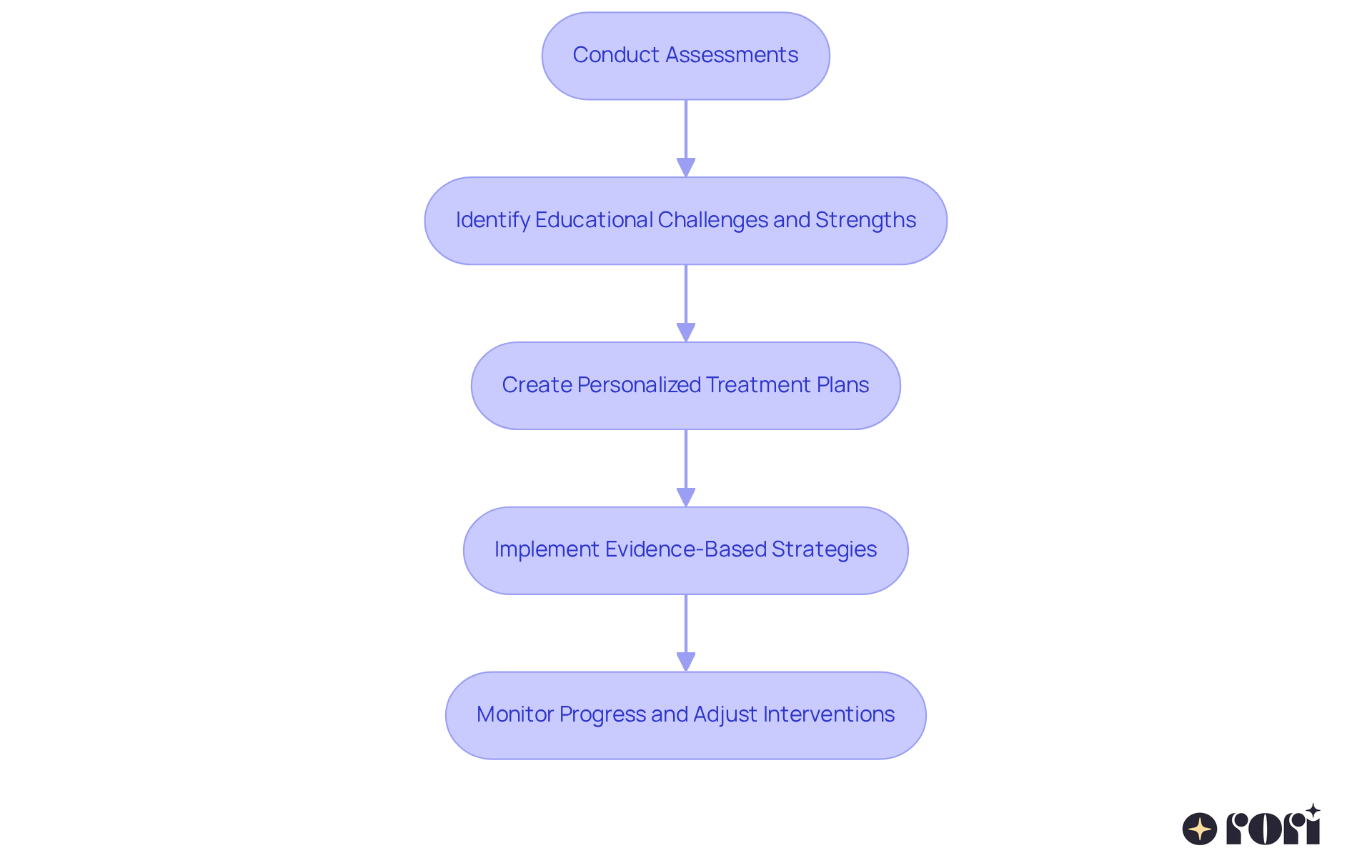
At Rori Behavioral Innovations Inc., we know that every child is unique, and that’s why we take a data-driven approach to ABA therapy. We’re here to ensure that each child’s individual needs are met with tailored interventions. Our clinicians conduct thorough assessments to identify specific educational challenges and strengths, which helps us create personalized treatment plans.
These plans are built on evidence-based strategies designed to enhance educational abilities, particularly through successful ABA interventions for academic growth. We aim to cultivate a supportive learning environment that encourages achievement. Research shows that kids who engage in intensive ABA therapy, especially those receiving 25 to 40 hours a week, often benefit from successful ABA interventions for academic growth, leading to significant improvements in their communication and social skills. These skills are so important for academic success!
By focusing on personalized goals and keeping a close eye on progress, we empower families and therapists to adjust interventions as needed. This way, every student has the opportunity to shine academically. Let’s explore this journey together! We’re here to help you every step of the way!
Individualized Education Plans (IEPs): Customizing Learning for Each Child
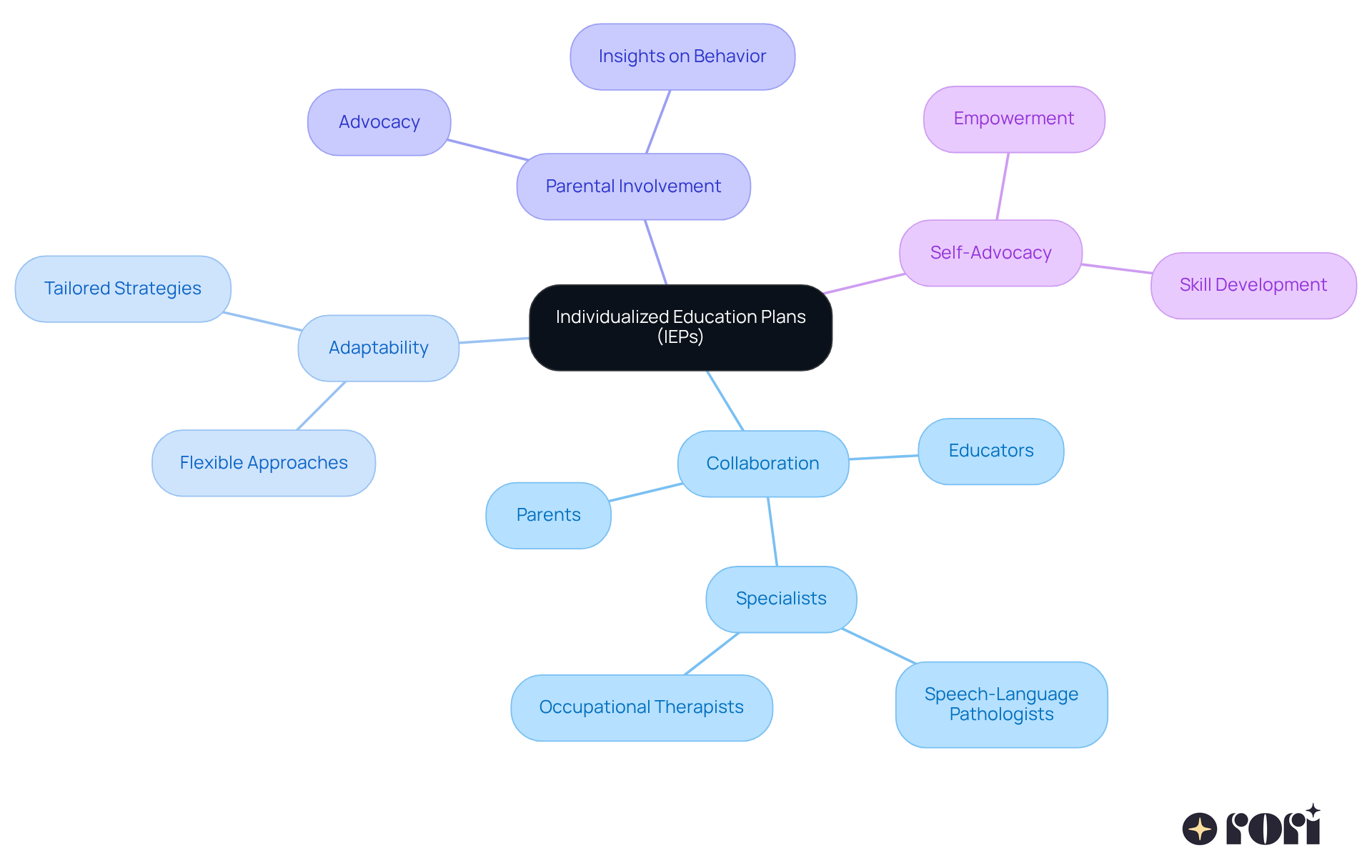
Individualized Education Plans (IEPs) are essential tools that outline personalized educational goals and services for individuals with autism. They’re crafted through a collaborative effort involving educators, parents, and specialists, ensuring that each child’s unique learning needs are met. By incorporating specific academic goals and necessary accommodations, IEPs pave the way for successful ABA interventions for academic growth, empowering students to thrive in their educational journeys.
These days, IEP development is all about adaptability. If traditional teaching methods aren’t working, it’s time to shake things up! This flexibility is key to successful ABA interventions for academic growth, allowing for tailored approaches that truly enhance learning outcomes. Plus, when parents are involved in the IEP process, they not only advocate for their child’s needs but also share valuable insights about their behavior and strengths at home. As IEPs evolve, there’s a growing focus on fostering self-advocacy and self-regulation among students through successful ABA interventions for academic growth, equipping them with the skills they need for both academic and social success.
At Rori Care, we’re all about empowering young people by promoting independence through essential development. Our tailored planning aligns perfectly with the goals outlined in their IEPs. We set clear, measurable goals for behavior change and skill development, providing a transparent way to track progress. Using evidence-based strategies and ongoing assessments, we ensure that every individual gets the best possible support. As Amanda J. Friedman beautifully puts it, “Autism is uniqueness and difference personified,” reminding us of the importance of personalized approaches in IEPs.
Let’s explore this together! We’re here to help you every step of the way!
Positive Reinforcement Strategies: Encouraging Academic Engagement
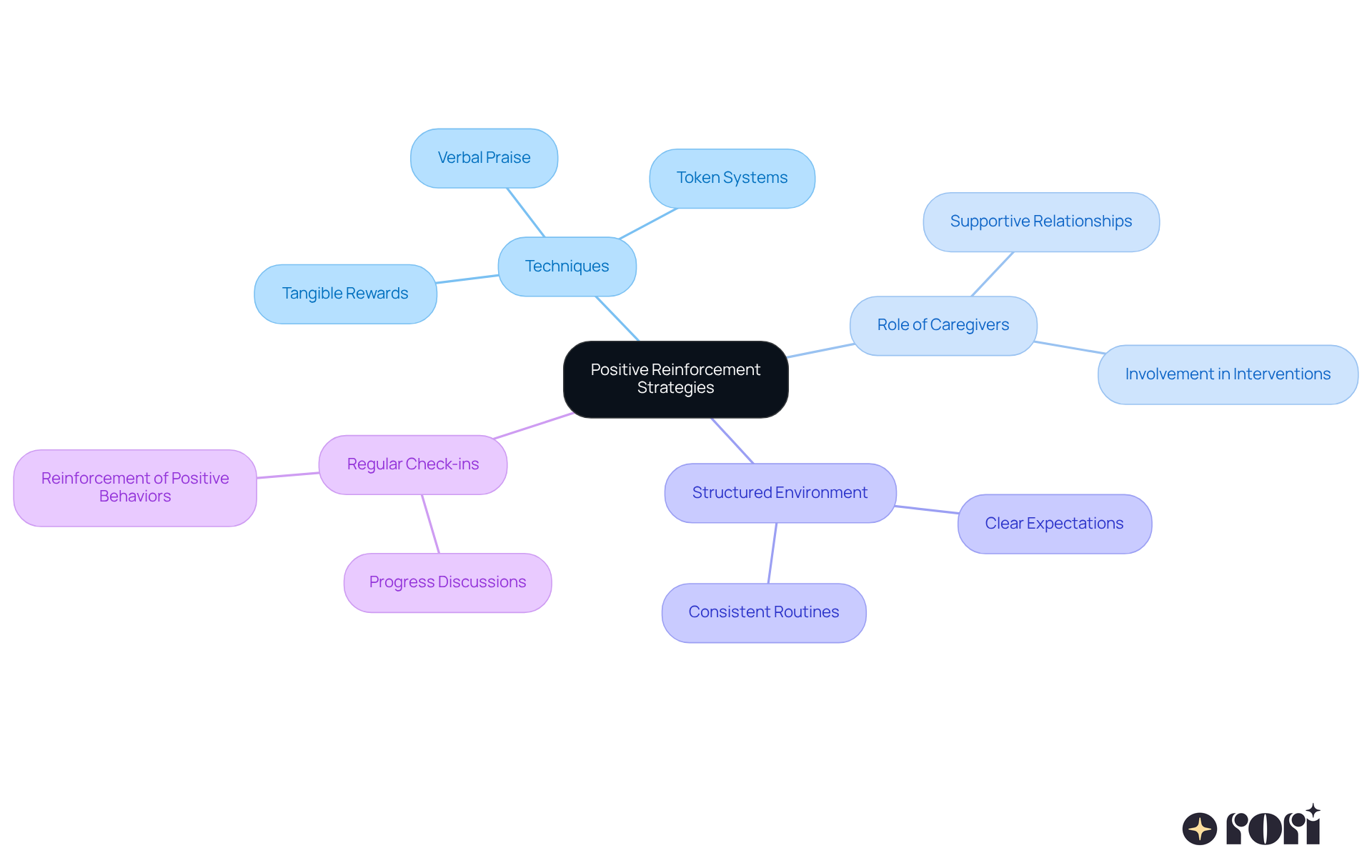
Positive reinforcement methods are so important for boosting educational involvement in kids with autism, ADHD, and learning disabilities. When educators reward desired behaviors – like finishing assignments or joining in during class – it really motivates students to dive into their learning experiences. Think about it: a simple “Great job!” or a sticker can make a world of difference!
Effective techniques that contribute to successful ABA interventions for academic growth include verbal praise, token systems, and tangible rewards, all of which fit right into classroom settings. Research shows that successful ABA interventions for academic growth, including the use of positive reinforcement by teachers, can help students focus on tasks up to 30% more, leading to better academic performance and a happier learning environment. Plus, building supportive relationships and keeping clear expectations are key to making these strategies work even better.
By creating a structured and encouraging atmosphere, educators can facilitate successful ABA interventions for academic growth, enabling students to thrive both academically and socially. To make the most of these strategies, it’s a good idea for educators and parents to have regular check-ins to chat about progress and consistently reinforce those positive behaviors.
Rori Care’s approach really shines here, emphasizing personalized planning and measurable goals to ensure each child’s unique needs are met. And let’s not forget the vital role caregivers play in the behavioral intervention process! Their involvement not only supports the young learner’s growth but also aligns with the principles of Applied Behavior Analysis (ABA), making the strategies even more effective.
Let’s explore this together! We’re here to help you every step of the way!
Social Skills Training: Fostering Peer Interactions for Academic Success
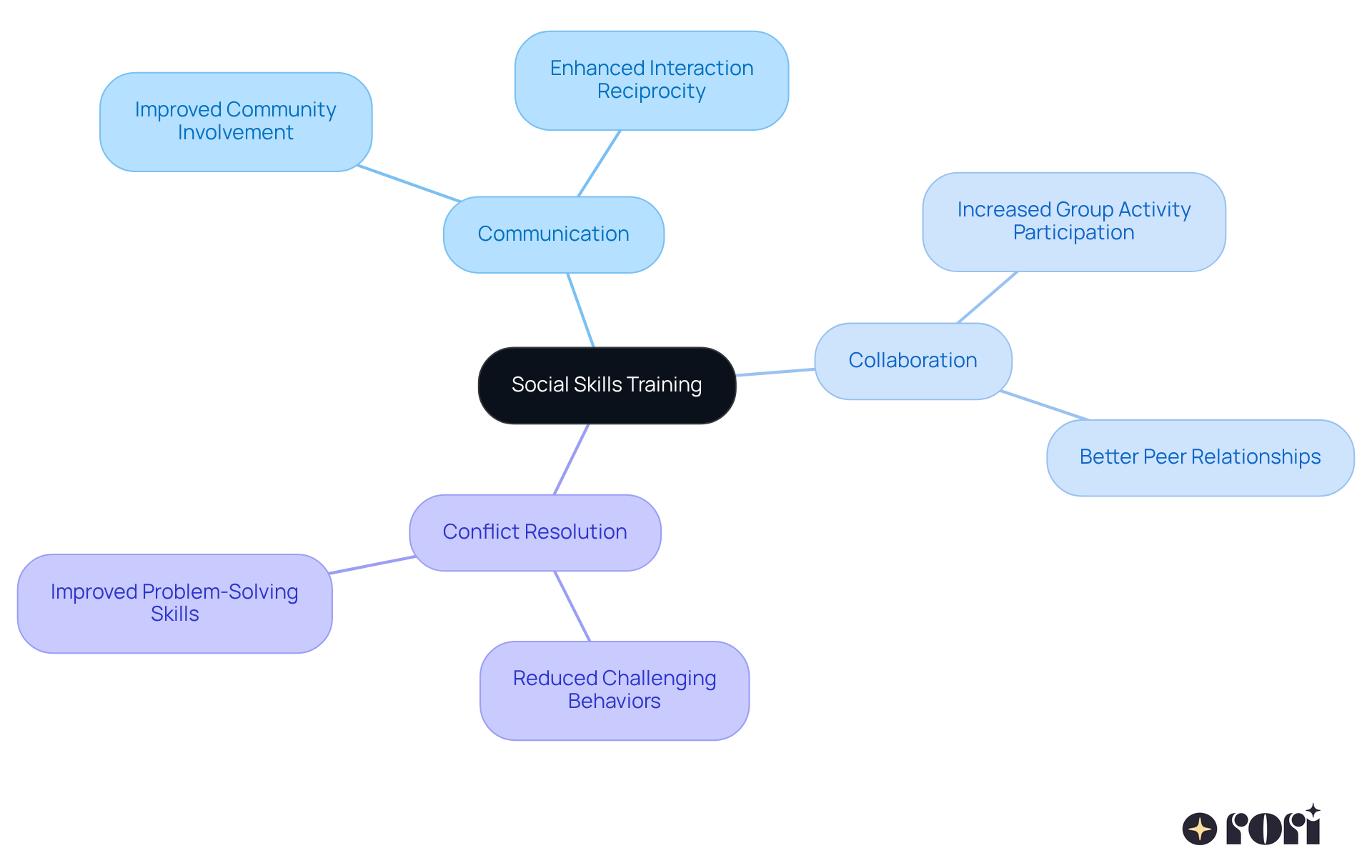
Social abilities training is so important for kids with autism. It gives them the interpersonal tools they need to connect with their peers. At Rori Care, our clinical leadership team is all about promoting neurodiversity and helping young people thrive through tailored interventions, including caregiver education.
By focusing on communication, collaboration, and conflict resolution, our group therapy programs – led by qualified therapists – really boost a young person’s ability to interact with others, join in group activities, and handle various social situations. You might be surprised to learn that studies show kids who receive targeted interpersonal training see impressive improvements in community involvement. For instance, average scores jumped from 19.50 to 28.50, while interaction reciprocity scores went up from 25.75 to 32.75!
These skills are crucial for creating a positive learning environment and can significantly impact successful ABA interventions for academic growth. At Rori Care, our effective interpersonal development initiatives have been shown to reduce challenging behaviors, with experimental groups reporting a decrease from 24.75 to 28. This really highlights how social skills training can be part of successful ABA interventions for academic growth, transforming not just social interactions but also educational outcomes. Successful ABA interventions for academic growth are a vital part of teaching strategies for individuals with autism.
Let’s explore this together! We’re here to help you every step of the way!
Data-Driven Progress Monitoring: Ensuring Effective Academic Interventions
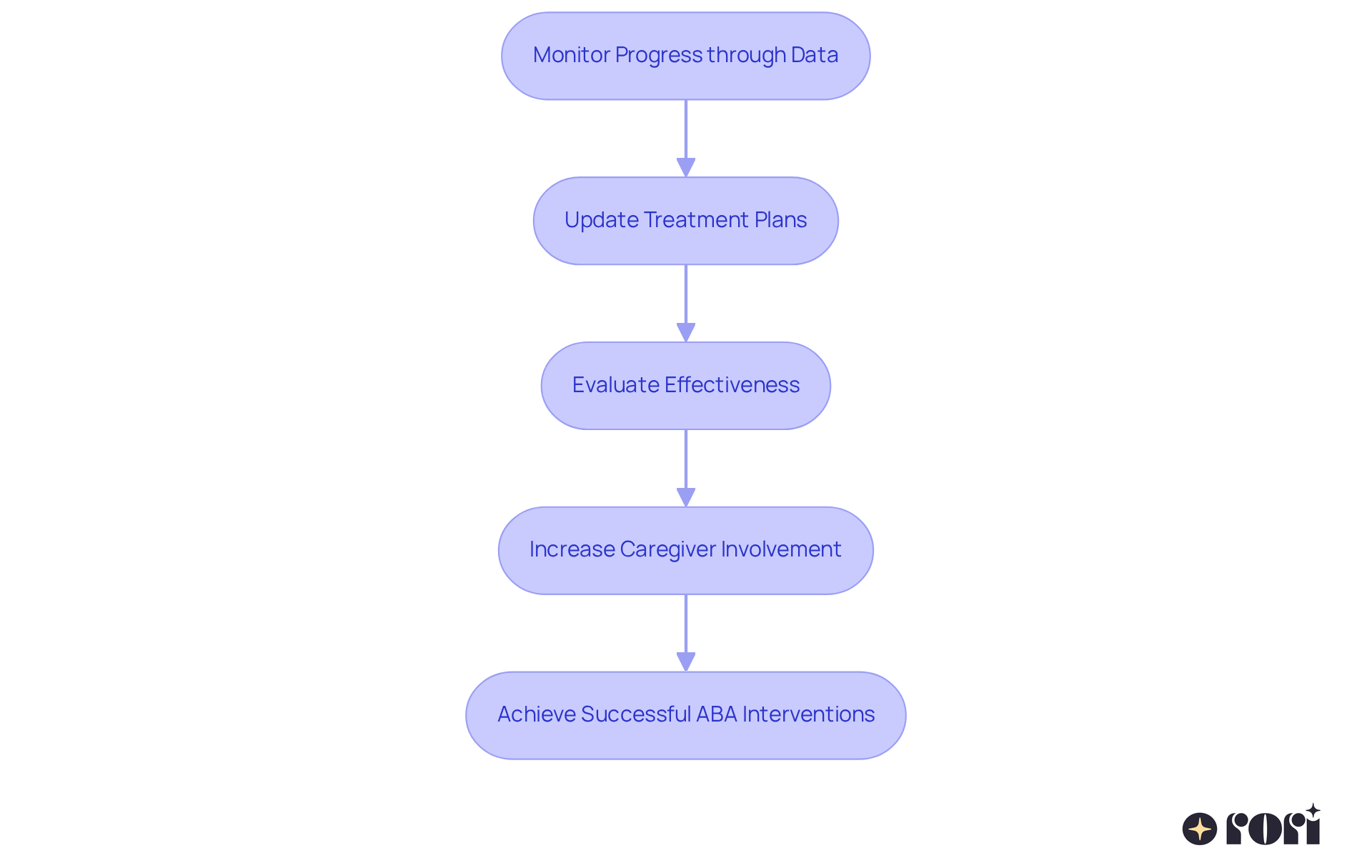
Monitoring progress through data is essential for implementing successful ABA interventions for academic growth for kids with autism. At Rori Care, we focus on creating treatment plans that adapt based on detailed progress reports. This way, we can tailor interventions to meet each child’s evolving needs.
Our behavior care engine updates intervention and skill acquisition plans after every session, making it easy to collect and analyze data on how students are doing. This ongoing evaluation not only assesses the effectiveness of our teaching strategies but also increases caregiver involvement, which is essential for achieving successful ABA interventions for academic growth. When caregivers actively participate and we fully implement the recommended hours, we see significant improvements in 90% of youth!
By using AI to automate progress report creation, we streamline the reporting process, freeing up 50% more time for direct treatment. This approach leads to better educational outcomes and highlights the importance of successful ABA interventions for academic growth in enhancing learning, verbal, and social skills. Let’s explore this together!
Visual Supports: Enhancing Understanding of Academic Tasks
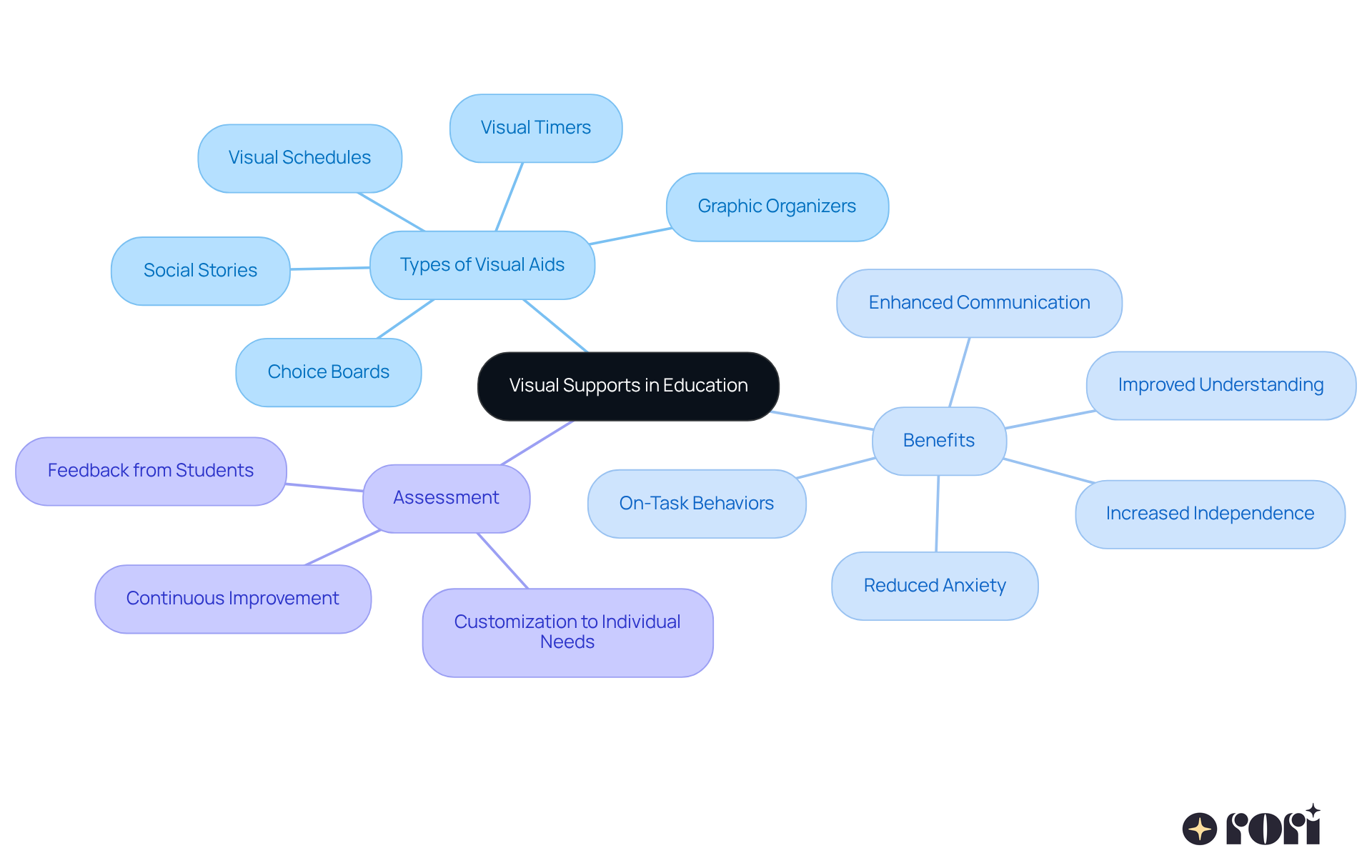
Visual supports are such valuable tools for helping young people understand their academic tasks, especially for those who benefit from Applied Behavior Analysis (ABA) therapy. You know, research shows that using visual aids like charts, diagrams, and graphic organizers can really help kids with autism, ADHD, and other behavioral challenges grasp complex concepts and instructions more easily. For example, visual schedules and social stories can improve on-task behaviors and reduce anxiety, making those transitions between activities a lot smoother.
In fact, studies have consistently shown positive outcomes when using visual schedules to boost academic-related on-task behaviors. These supports not only help kids understand better but also encourage them to work independently on their school assignments, making learning more engaging and accessible. Think about visual schedules that help kids anticipate what’s coming next; they’ve been shown to significantly enhance daily functioning and educational performance.
It’s super important to continuously assess these visual aids to ensure they meet each learner’s unique needs. This way, we can help them navigate their educational journeys with more confidence. This patient-centered, adaptable approach is essential for successful ABA interventions for academic growth, designed to achieve measurable goals and utilize evidence-based strategies for the best outcomes. Let’s explore this together and see how these tools can make a difference!
Parent Training: Equipping Families to Support Academic Development
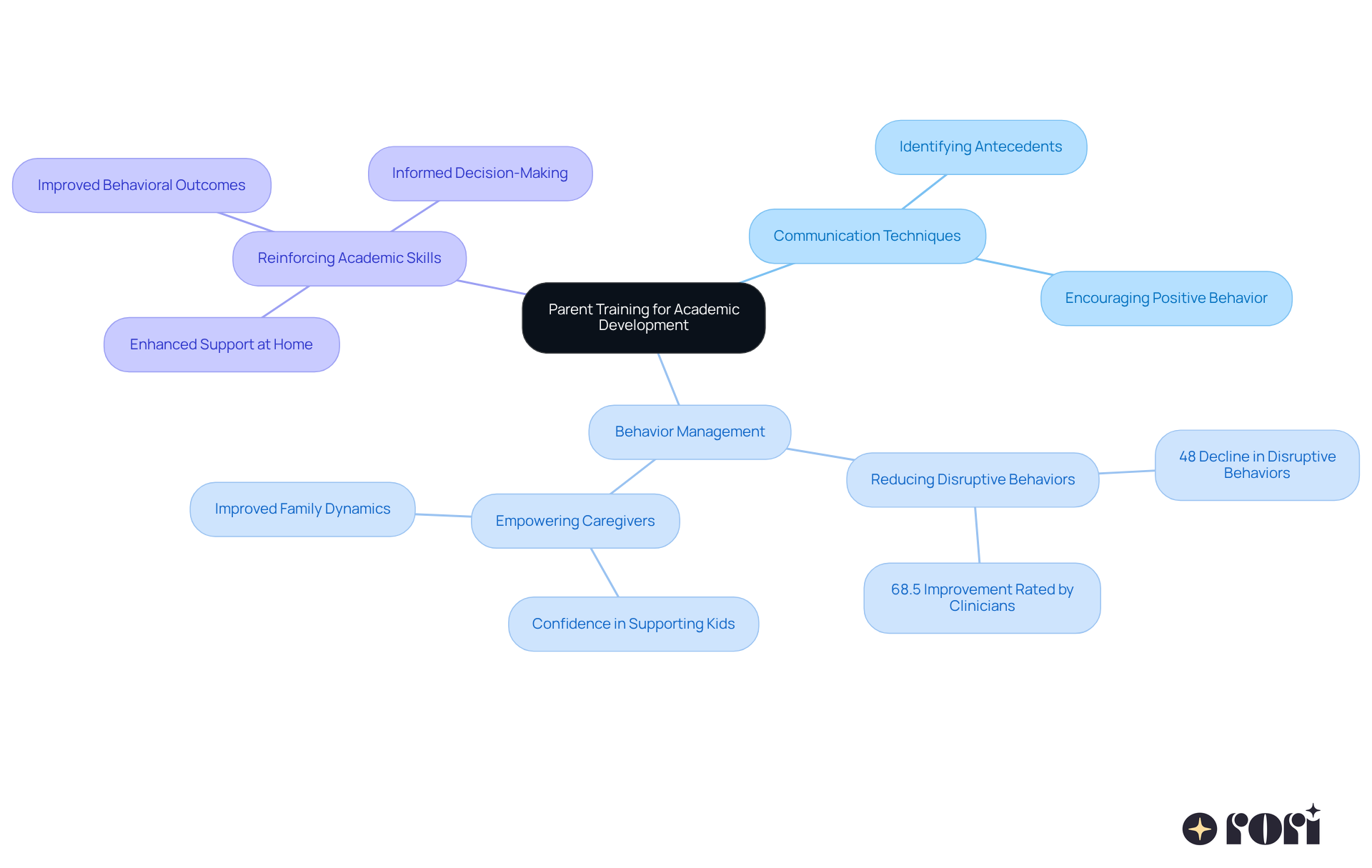
Parent training is so important for helping kids with autism succeed in school! By giving parents the right tools and strategies, educators can really boost the support system around each student. Effective training programs focus on key areas like communication techniques, behavior management, and ways to reinforce academic skills at home.
You know, studies show that when parents get involved in focused training, their kids often see big improvements in behavior and learning outcomes. For example, there’s evidence that parent training can lead to a 48% drop in disruptive behaviors! That really highlights how effective this approach can be in creating a positive learning environment.
Plus, when parents feel empowered, they become more engaged and work together with educators. This means kids get consistent support both at school and at home, which is crucial for their growth. Integrating parent training is a key strategy for implementing successful ABA interventions for academic growth and development.
Here are some key benefits of caregiver education:
- Enhanced support for children at home, which complements professional interventions.
- Informed decision-making based on a better understanding of ABA principles.
- Improved behavioral outcomes through active caregiver involvement.
- Empowered caregivers who feel confident in their ability to support their kids, which helps reduce stress and improve family dynamics.
And don’t forget, Rori Care offers guidance on payment options to help families cover up to 100% of ABA therapy costs. This way, financial barriers won’t stand in the way of getting essential support. Let’s explore this together!
Technology Integration: Enhancing ABA Interventions for Academic Growth
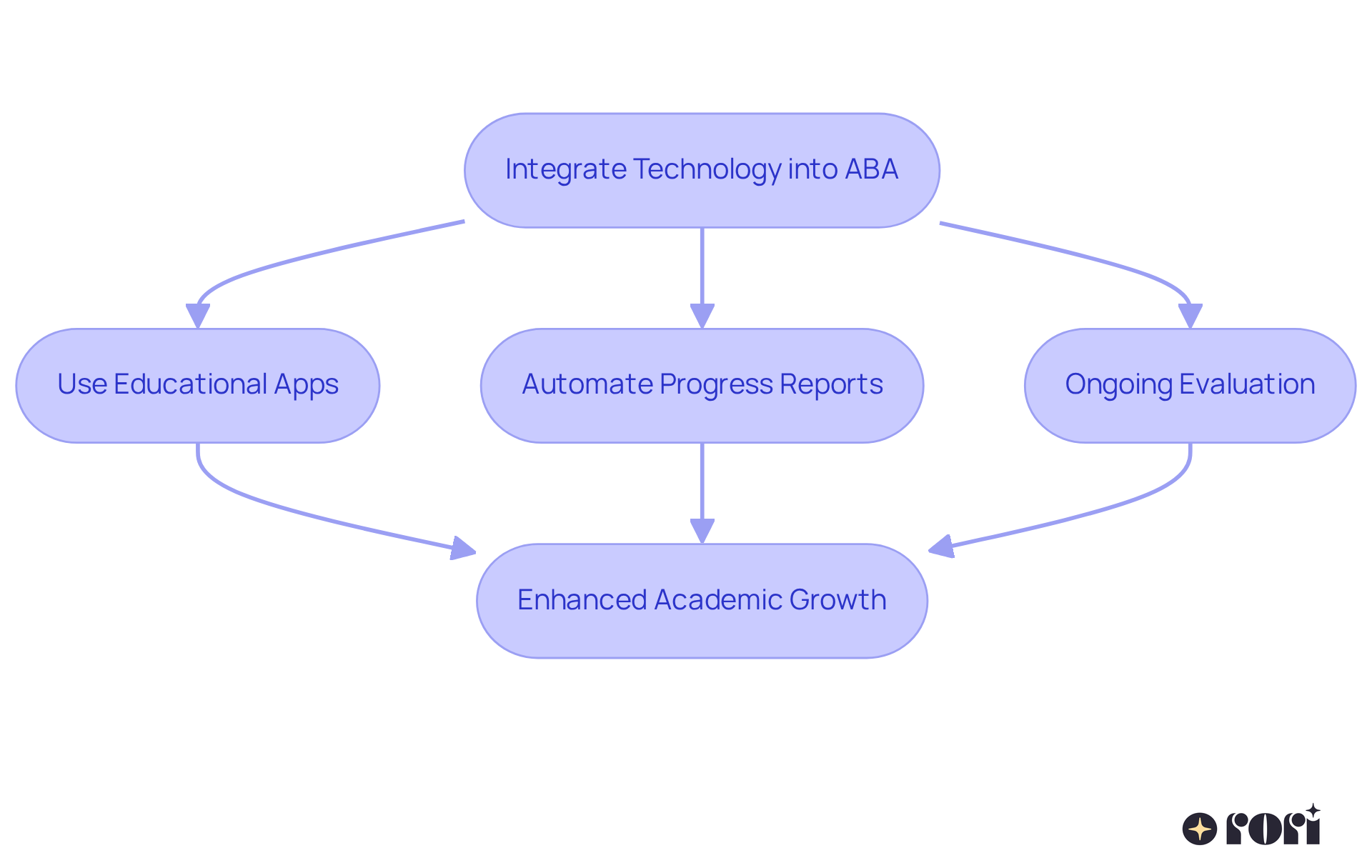
Incorporating technology into successful ABA interventions for academic growth can significantly enhance the academic development of individuals with autism. Think about it: tools like educational apps, interactive software, and online resources create engaging and personalized learning experiences that kids can truly connect with.
By using advanced AI technology, Rori Care automates the creation of progress reports. This means clinicians can spend 50% more time focusing on direct treatment for youth! How great is that? This efficiency helps educators track progress more effectively, set clear, measurable goals, and adapt lessons to ensure successful ABA interventions for academic growth for each child’s unique needs.
Plus, ongoing evaluation and modification of behavioral plans ensure that every individual’s development is continuously monitored and supported. The result? A more dynamic learning environment that promotes success while providing personalized support.
Let’s explore this together! If you’re curious about how technology can enhance your child’s learning journey, we’re here to help you every step of the way!
Collaborative Team Approaches: Maximizing Academic Intervention Success
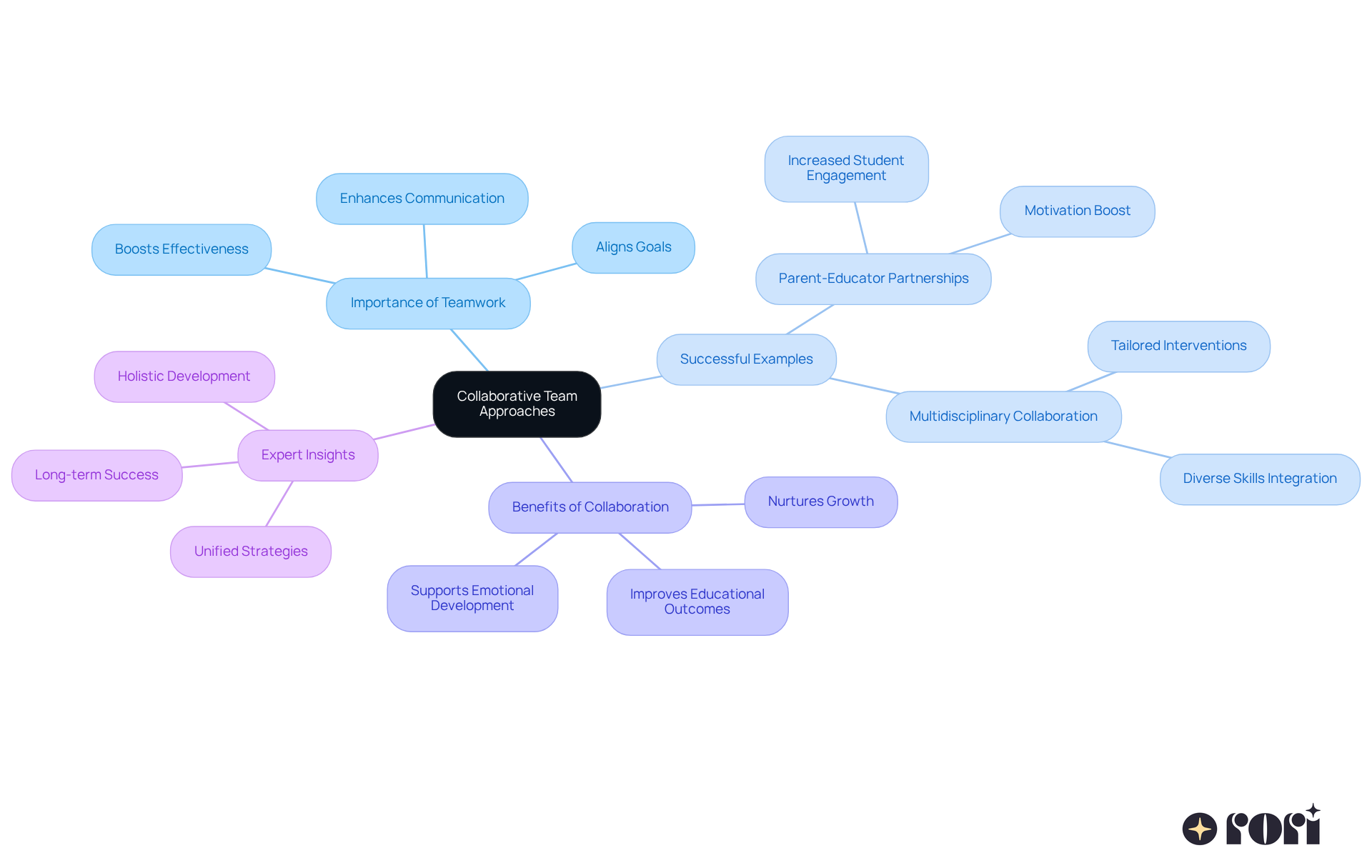
Cooperative team strategies are so important for making interventions for youth with autism really effective. When educators, therapists, and parents come together, they create a strong support network that aligns everyone’s goals and strategies. This teamwork not only boosts the effectiveness of interventions but also leads to better educational outcomes for our young ones. Research shows that when professionals work together, they can craft more personalized and comprehensive care plans, which are key to meeting each child’s unique needs.
Take a look at successful teamwork examples in autism support! They really highlight how shared goals and regular communication can make a difference. For instance, when parents and educators partner up, it often leads to increased student engagement and motivation. This kind of supportive environment really promotes learning! Plus, when different experts collaborate, they bring together diverse skills and knowledge, ensuring that interventions are tailored to fit each student’s strengths and challenges.
Experts emphasize how crucial this collaborative approach is. When educators, therapists, and parents join forces, they can create a unified strategy that not only addresses educational skills but also nurtures social and emotional growth. This well-rounded perspective is vital for helping individuals with autism thrive in educational settings, ultimately leading to better long-term outcomes.
Let’s explore this together! Your involvement can make a real difference!
Skill Generalization: Applying Academic Learning Across Environments
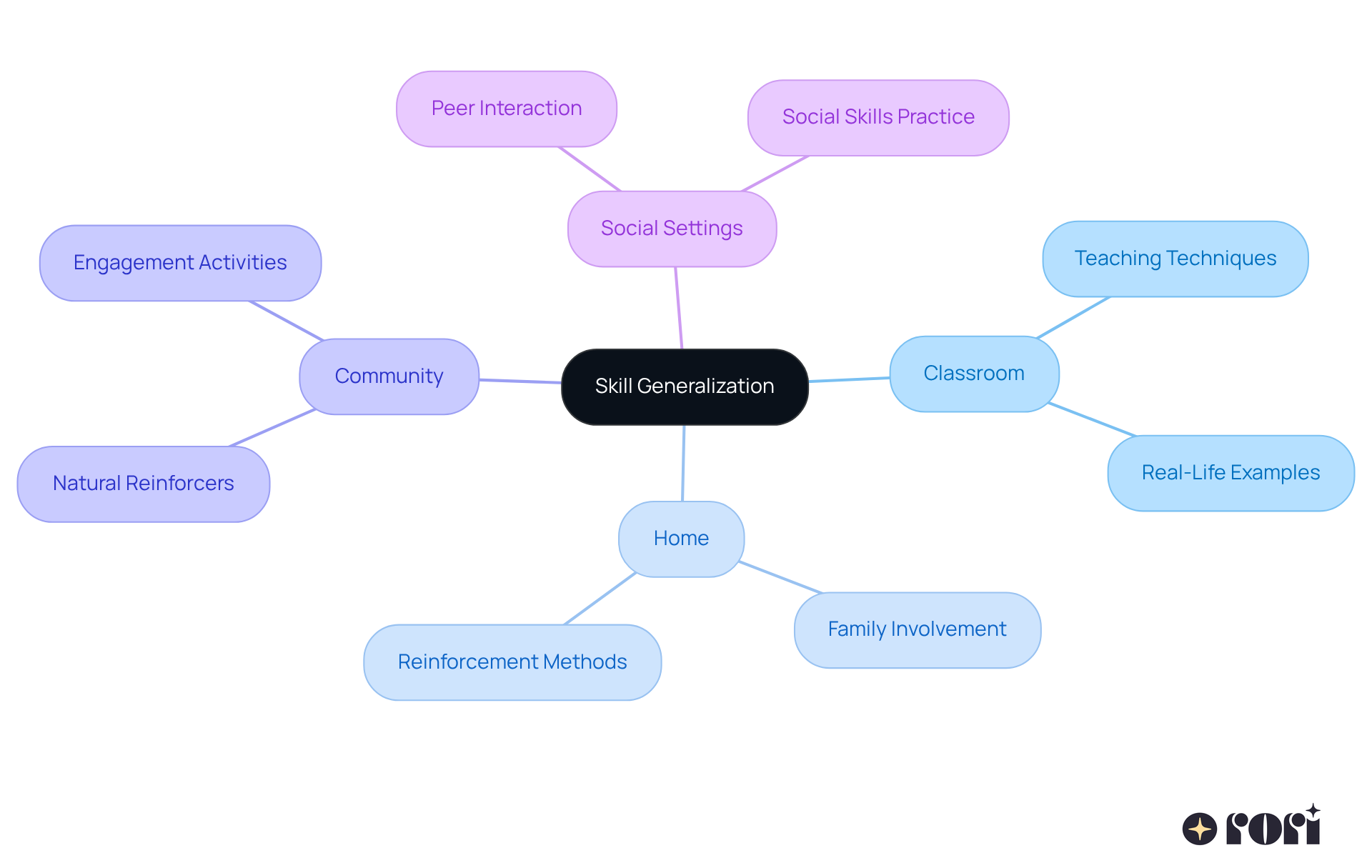
Skill generalization is all about taking what kids learn in school and using it in everyday life, which is super important for individuals with autism. It’s crucial that the skills they pick up in the classroom make their way into home, community, and social settings. But here’s the thing: research shows that this doesn’t just happen on its own; it takes some thoughtful strategies to make it work.
So, how can instructors help? By using a mix of teaching techniques! Think about incorporating different examples and real-life situations. This way, young learners get to practice their skills in various contexts, making it easier for them to apply what they’ve learned. Plus, using reliable reinforcement methods – like natural rewards that fit into their everyday lives – can really help ensure that these educational skills stick around in daily situations.
And let’s not forget about family! Engaging family members in practice sessions can really boost this transfer of skills, reinforcing what kids have learned outside of clinical settings. By planning for generalization, educators and parents can work together to increase the chances that children will successfully use their academic skills in real-world scenarios, which aligns with successful ABA interventions for academic growth. This not only fosters greater independence but also helps build social competence.
Let’s explore this together! By taking these steps, we can make a real difference in our kids’ lives.
Conclusion
When it comes to academic growth for children with autism, successful ABA interventions are truly invaluable. These personalized strategies cater to each child’s unique needs, creating a nurturing environment where academic success can flourish. By focusing on tailored approaches, we ensure that children receive the specific support they need to thrive, both in school and socially.
Throughout this article, we’ve explored key strategies like:
- Individualized Education Plans (IEPs)
- Positive reinforcement techniques
- Social skills training
- Data-driven progress monitoring
Each of these elements plays a vital role in creating an effective learning atmosphere. Plus, we can’t overlook the importance of:
- Parental involvement
- Technology integration
- Collaborative team efforts
- Skill generalization
These are essential in maximizing the impact of ABA therapy.
In wrapping up, embracing these successful ABA interventions not only boosts academic performance but also equips children with the skills they need for lifelong success. By fostering collaboration among educators, therapists, and families, and utilizing evidence-based strategies, we can create a brighter future for children with autism. So, let’s take those proactive steps together! Implementing these interventions can lead to meaningful changes in their educational journeys, empowering them to reach their fullest potential. We’re here to help you every step of the way!
Frequently Asked Questions
What is Rori Care’s approach to ABA therapy?
Rori Care uses a data-driven approach to ABA therapy, creating tailored interventions based on thorough assessments of each child’s unique educational challenges and strengths.
How does Rori Care develop personalized treatment plans?
Personalized treatment plans are built on evidence-based strategies designed to enhance educational abilities and are created after identifying specific needs through assessments.
What are the benefits of intensive ABA therapy for children?
Research indicates that children who engage in 25 to 40 hours a week of intensive ABA therapy often experience significant improvements in communication and social skills, which are essential for academic success.
What are Individualized Education Plans (IEPs)?
IEPs are customized educational plans that outline specific academic goals and services for individuals with autism, developed collaboratively by educators, parents, and specialists.
How do IEPs support successful ABA interventions?
IEPs incorporate specific goals and accommodations that adapt to each child’s learning needs, paving the way for effective ABA interventions that enhance educational outcomes.
What role do parents play in the IEP process?
Parents are crucial in the IEP process as they advocate for their child’s needs and provide insights into their behavior and strengths, which helps tailor the educational plan.
How does Rori Care promote independence in children?
Rori Care promotes independence by aligning its tailored planning with IEP goals, setting clear, measurable objectives for behavior change and skill development.
What are positive reinforcement strategies?
Positive reinforcement strategies involve rewarding desired behaviors, such as completing assignments, to motivate students and enhance their engagement in learning.
How effective are positive reinforcement methods in educational settings?
Research shows that positive reinforcement can increase student focus on tasks by up to 30%, leading to improved academic performance and a more positive learning environment.
What is the role of caregivers in the behavioral intervention process?
Caregivers play a vital role in supporting the young learner’s growth and aligning with ABA principles, which enhances the effectiveness of the strategies used.
List of Sources
- Rori Care – ABA Therapy: Tailored Interventions for Academic Success
- Success Rates of ABA Therapy | Advanced Autism Services (https://advancedautism.com/post/success-rates-of-aba-therapy)
- Data-Driven Progress Tracking & Outcomes in ABA Therapy (https://goldenstepsaba.com/resources/aba-therapy-services-data-driven-progress-tracking)
- Success Rates of ABA Therapy (https://alumacare.com/blog/success-rates-of-aba-therapy)
- Tracking Measurable Progress With Data-Driven ABA Therapy: A Comprehensive Guide to Evidence-Based Outcomes – RightWay ABA (https://rightwayaba.com/tracking-measurable-progress-with-data-driven-aba-therapy)
- Applied Behavior Analysis (ABA) Statistics: Data, Effectiveness, and Evidence-Based Practices (https://nexoaba.com/applied-behavior-analysis-statistics)
- Individualized Education Plans (IEPs): Customizing Learning for Each Child
- atlasforautism.org (https://atlasforautism.org/quotes)
- The Importance of Individualized Education Plans (IEPs) for Children with Autism | Advanced Autism Services (https://advancedautism.com/post/the-importance-of-individualized-education-plans-ieps-for-children-with-autism)
- Special Education Spotlight Quotes – The Smoke Signal (https://thesmokesignal.org/2016/01/29/special-education-spotlight-quotes)
- Positive Reinforcement Strategies: Encouraging Academic Engagement
- veracross.com (https://veracross.com/resources/positive-reinforcement-classroom)
- 10 Great Quotes on Promoting Positive Behavior – Brookes Blog (https://blog.brookespublishing.com/10-great-quotes-on-promoting-positive-behavior)
- TOP 23 POSITIVE REINFORCEMENT QUOTES | A-Z Quotes (https://azquotes.com/quotes/topics/positive-reinforcement.html)
- Quotes for teachers – The power of positive reinforcement: Words are so powerful, especiall… | Quotes for students, Education quotes inspirational, Education quotes (https://jp.pinterest.com/pin/769763761282605666)
- Social Skills Training: Fostering Peer Interactions for Academic Success
- Checking your browser – reCAPTCHA (https://pmc.ncbi.nlm.nih.gov/articles/PMC9788721)
- Examining the Efficacy of Peer Network Interventions on the Social Interactions of High School Students With Autism Spectrum Disorder | Frank Porter Graham Child Development Institute (https://fpg.unc.edu/publications/examining-efficacy-peer-network-interventions-social-interactions-high-school-students)
- Social Skills Training for Children on the Spectrum | Links (https://linksaba.com/social-skills-training-for-children-on-the-spectrum)
- Impact of Social Skills Training for Autism (https://besteveraba.com/blog/social-skills-training-sst-for-autism)
- Data-Driven Progress Monitoring: Ensuring Effective Academic Interventions
- Data to Inform Academic Instruction for Students with Extensive Support Needs: Availability, Use, and Perceptions (https://tandfonline.com/doi/full/10.1080/09362835.2024.2313748)
- Educational Interventions for Children and Youth with Autism: A 40-Year Perspective – PMC (https://pmc.ncbi.nlm.nih.gov/articles/PMC8531076)
- Quote Of The Day: The Data-Driven Train To Nowhere (https://larryferlazzo.edublogs.org/2022/08/17/quote-of-the-day-the-data-driven-train-to-nowhere)
- Code Red: The Danger of Data-Driven Instruction (https://ascd.org/el/articles/code-red-the-danger-of-data-driven-instruction)
- Visual Supports: Enhancing Understanding of Academic Tasks
- advancedautism.com (https://advancedautism.com/post/the-role-of-visual-supports-in-enhancing-learning-for-autism)
- The Effectiveness of Visual Supports for Students with Autism Spectrum Disorder – (https://naset.com/publications/autism-spectrum-disorders-series/the-effectiveness-of-visual-supports-for-students-with-autism-spectrum-disorder)
- The use of visual schedules to increase academic-related on-task behaviors of individuals with autism: a literature review (https://tandfonline.com/doi/full/10.1080/20473869.2024.2402124)
- Visual Learning: Effective Strategies and Best Practices (https://instructure.com/resources/blog/visual-learning-effective-strategies-and-best-practices)
- Using Visual Aids in Autism (https://crossrivertherapy.com/articles/using-visual-aids-in-autism)
- Parent Training: Equipping Families to Support Academic Development
- Training Programs for Parents Tied to Better Behavior in Kids with Autism (https://raisingmultiples.org/training-programs-for-parents-tied-to-better-behavior-in-kids-with-autism)
- Effect of Parent Training vs. Parent Education (https://asatonline.org/research-treatment/research-synopses/effect-parent-training-vs-parent-education)
- news.byu.edu (https://news.byu.edu/intellect/children-with-autism-benefit-when-parents-are-trained-to-provide-at-home-interventions)
- 20 Inspiring Quotes About Autism Every Parent Must Read Today (https://circlecareservices.com/blog/20-quotes-about-autism-and-parenting)
- Homepage | UMN REACH Lab (https://reachfamilies.umn.edu/node/4374)
- Technology Integration: Enhancing ABA Interventions for Academic Growth
- Technology in ABA Therapy: Tools, Trends & What’s Next (https://appliedbehavioranalysisedu.org/2023/11/future-of-applied-behavior-analysis-aba-and-technological-advancements)
- ABA and Emerging Technology: Transforming Autism Therapy | ABA Navigator (https://abanavigator.com/resources/articles/aba-and-emerging-technology)
- Evaluating the effectiveness of intelligent interaction technology in autism interventions: A meta-analysis based on trial assessment (https://sciencedirect.com/science/article/pii/S0891422225001714)
- The Impact of AI in ABA Therapy Data Collection & Outcomes – Step It Up ABA (https://stepitupaba.com/ai-in-aba-therapy-data-collection)
- Collaborative Team Approaches: Maximizing Academic Intervention Success
- Interdisciplinary and Collaborative Models – Transforming Autism Care Through Strategic Partnerships | Links (https://linksaba.com/interdisciplinary-and-collaborative-models-aba)
- Building Bridges for Better Child Outcomes | Step Ahead ABA (https://stepaheadaba.com/blog/the-benefits-of-collaboration-between-therapists-and-parents)
- The Role of Teacher Collaboration in ABA Therapy for Autism | Grateful Care ABA (https://gratefulcareaba.com/blog/the-role-of-teacher-collaboration-in-aba-therapy-for-autism)
- The Team Approach to Educating Students with Autism | Autism Speaks (https://autismspeaks.org/tool-kit-excerpt/team-approach-educating-students-autism)
- Skill Generalization: Applying Academic Learning Across Environments
- Improving the Generalization of Skills in Learners with Autism (https://autismspectrumnews.org/improving-the-generalization-of-skills-in-learners-with-autism)
- Understanding the importance of generalization in ABA (https://crossrivertherapy.com/articles/understanding-the-importance-of-generalization-in-aba)
- Brief Report: Generalization weaknesses in verbally fluent children and adolescents with autism spectrum disorder – PMC (https://pmc.ncbi.nlm.nih.gov/articles/PMC4573235)
- Supporting generalization of academic skills (https://magnetaba.com/blog/supporting-generalization-of-academic-skills)
- Generalisation of Social Communication Skills by Autistic Children During Play-Based Assessments Across Home, School and an Unfamiliar Research Setting – PMC (https://pmc.ncbi.nlm.nih.gov/articles/PMC12167233)